
Na Pali Coast glamping is better understood as a search for an outdoor-oriented base nearby than a promise of furnished tents beneath the cliffs. The coast itself is remote, and its designated wilderness campsites are not resort-style accommodations. Around Kauai, look for legal, clearly described cabins or nature-focused rentals, then choose a location that supports your hiking or boat plans without confusing a comfortable overnight stay with permission to access the coast.
What Glamping Near Na Pali Really Means
Expect a wide range of listings using the word glamping, from simple structures with beds to outdoor-oriented rentals with private bathrooms and kitchens. The label alone tells you little about comfort or legality. Confirm the exact sleeping setup, weather protection, bathroom arrangement, electricity, drinking water, and whether you have exclusive use of the space before booking.
There are no road-accessible luxury tent camps along the remote Na Pali shoreline. Camping within Napali Coast State Wilderness Park is a permitted wilderness experience, with facilities and access far removed from a serviced resort. A photograph of ocean cliffs does not mean the accommodation is on the coast or close to the Kalalau trailhead.
Use lodging as a comfortable base for day trips, not as a substitute for access planning. Check the Hawaii State Parks website separately for Haena reservations, wilderness permits, closures, and current conditions.
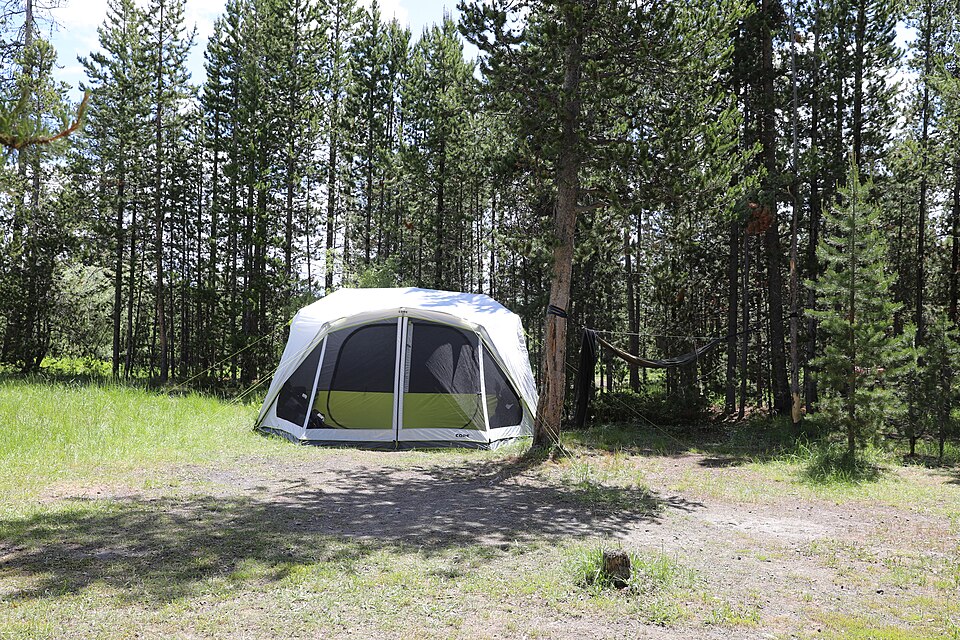
North Shore Bases: Hanalei, Princeville, and Haena
The North Shore is the logical search area when your priority is hiking from Haena. Hanalei offers a town setting near the bay, while Princeville has a broader resort and vacation-rental character. The Haena area lies closer to the trailhead, but accommodations and road access require careful planning. None of these locations eliminates the need for park reservations.
Search for lawful outdoor-oriented lodging rather than assuming a tent listing is an authorized campsite. Ask the host for the actual location and relevant registration or permit information, and verify requirements through Kauai County where appropriate. Listing descriptions such as secluded or eco-friendly are not evidence of legal operation.
Prioritize covered space, ventilation, and somewhere to dry shoes. North Shore rain can make an exposed setup uncomfortable during any season. If you will cook, confirm the equipment provided and buy supplies before settling into a more outlying location.
West and South Side Bases for Different Access
Choose the west side if you are most interested in Waimea Canyon, Kokee, and the Kalalau Valley overlooks. Waimea is a useful gateway for the uphill drive. Cabins in the Kokee area offer a mountain setting rather than a tropical beach atmosphere, with cooler temperatures and damp conditions that can call for warmer bedding and extra layers.
For boat trips departing near Port Allen, the Kalaheo or Poipu areas can reduce the cross-island travel involved in staying on the North Shore. These bases make sense for seeing Na Pali from the ocean, but they are not close substitutes for Haena when your main goal is the Kalalau Trail.
Remember that no road crosses the Na Pali shoreline. A stay that looks nearby on a map may sit on the opposite side of the road network. Compare the actual route to your trailhead or departure harbor before booking.
Choose the Season and Check the Comfort Details
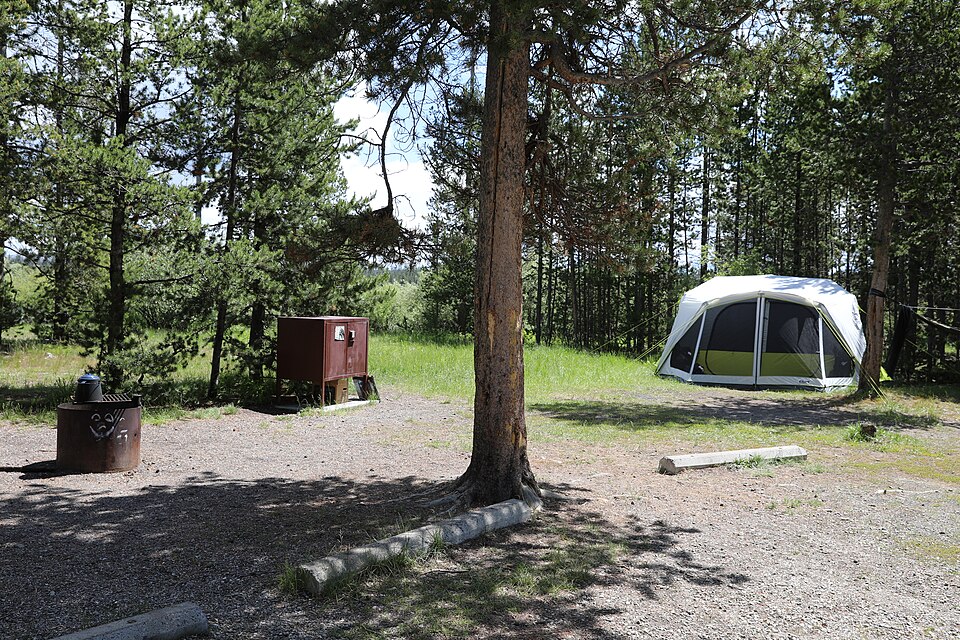
Late spring through early fall is often the simplest period for combining an outdoor stay with a boat excursion, especially when North Shore departures are part of the plan. Summer still brings showers, humidity, and warm nights at lower elevations. Look for effective ventilation and insect screens rather than assuming a tent will cool down comfortably after sunset.
Winter adds greater potential for heavy rain and big North Shore surf. A roofed structure, dry indoor seating, and dependable access become more important when you may spend part of a day at your accommodation. Upland Kokee stays can feel substantially cooler than beach-area lodging in every season.
Ask how the property handles severe weather, access disruptions, and cancellations. Costs vary widely; as a rough expectation, a furnished outdoor stay may be priced more like a vacation rental than a basic campsite, especially after cleaning charges and other fees.
Glamping vs. Camping vs. an RV or Campervan
Glamping suits travelers who want an outdoor atmosphere without carrying a complete camp setup. Verify what is actually provided, because bedding, towels, cooking equipment, and private bathrooms are not universal. Traditional camping can involve a lower nightly site cost, but permits, equipment, transportation, and weather exposure add their own demands.
Kalalau camping is a separate wilderness undertaking reached by a strenuous trail, not by car or RV. Haena entry arrangements do not replace the required wilderness camping permit. Other Kauai camping areas operate under different state or county systems, so confirm the rules for the specific site you intend to use.
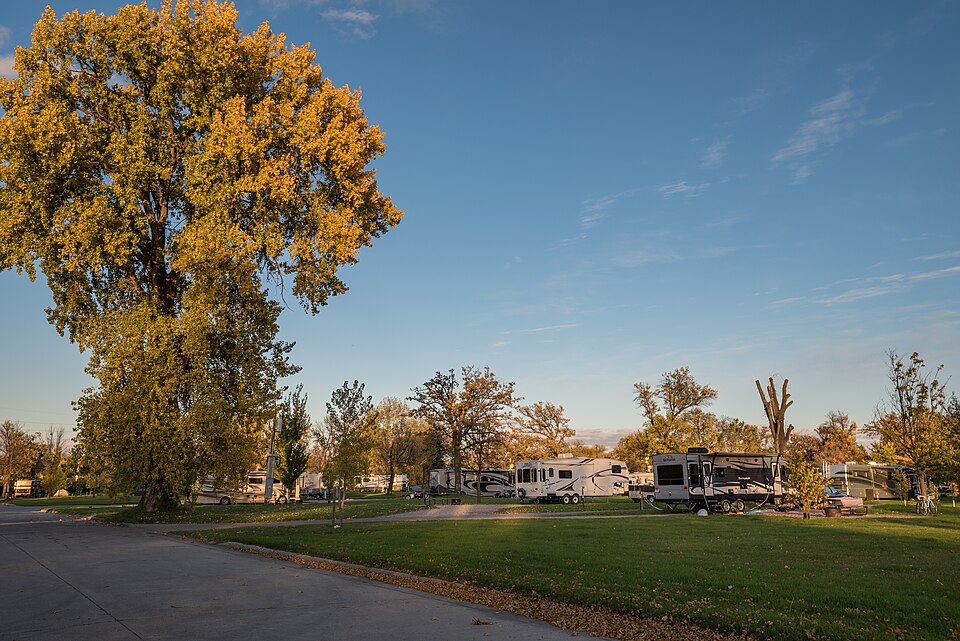
An RV or campervan does not create permission to sleep wherever you park. Verify legal overnight locations and whether vehicles of that type are allowed before renting. Kauai is not a destination where you should assume mainland-style RV hookups, plentiful dump stations, or unrestricted roadside camping.