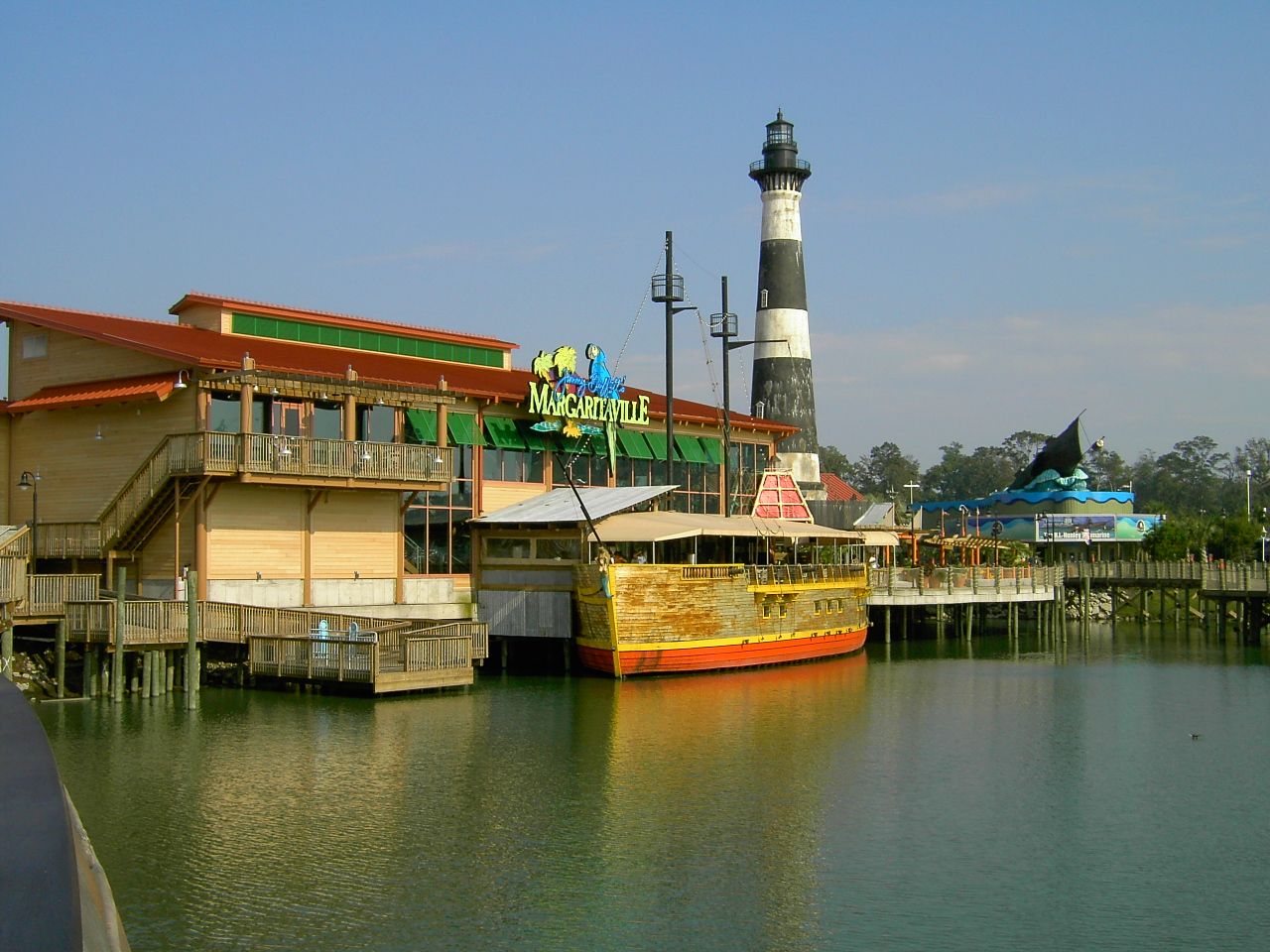
Choosing the best time to visit Myrtle Beach depends entirely on whether you prioritize high-energy boardwalk culture or quiet sunrise walks on the sand. Located along South Carolina's Grand Strand, this sixty-mile stretch of coastline experiences distinct seasonal shifts that transform the local atmosphere. While summer draws the largest crowds for traditional beach vacations, the shoulder seasons of spring and fall offer mild temperatures and more space to roam. Understanding these cycles helps you time your arrival for the perfect coastal experience.
Summer: The High Season Peak
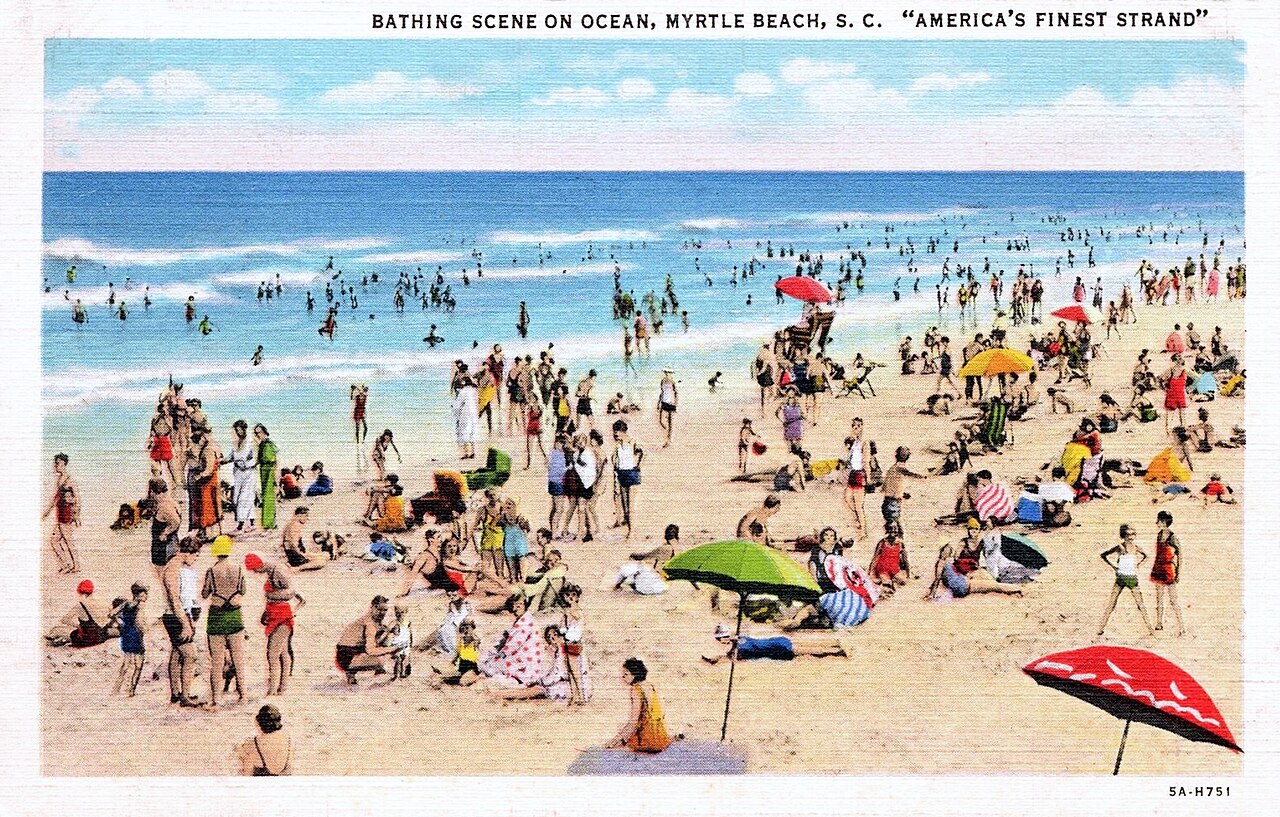
June through August represents the peak of the Myrtle Beach experience, defined by long, humid days and warm Atlantic waters that hover in the low 80s. This is the time when the Grand Strand is most vibrant, with the boardwalk buzzing and every attraction fully operational. You can expect afternoon thunderstorms that pass quickly, leaving behind refreshed air for evening strolls. Because this is the most popular time for families, the beaches are crowded, and reservations for accommodations should be made months in advance.
Outdoor enthusiasts should prepare for high humidity during these months. To make the most of the weather, plan your heavy outdoor activities, like biking the trails at Myrtle Beach State Park or walking the Huntington Beach State Park causeway, for the early morning hours. By midday, the coastal breeze provides some relief, but the intense South Carolina sun makes the ocean or a shaded porch the most desirable places to be until the sun begins to set.
Fall: The Local Favorite
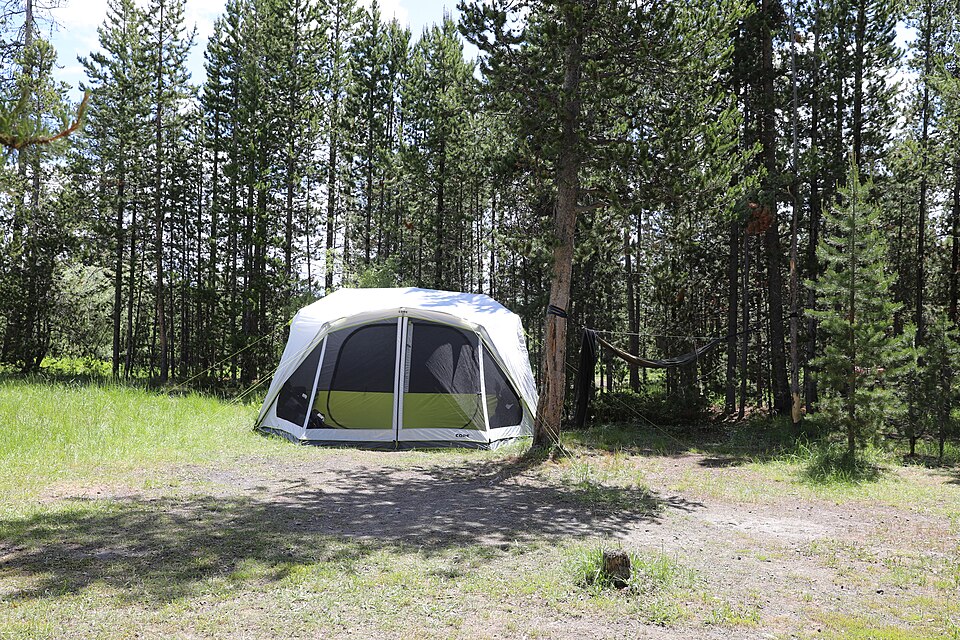
Many frequent visitors argue that September and October are the absolute best months to visit. During this window, the Atlantic remains warm enough for swimming, but the sweltering humidity of mid-summer begins to dissipate. The massive crowds of the summer holidays depart as schools return to session, leading to a much more relaxed pace across the Grand Strand. You will find it much easier to secure a table at coastal restaurants or find a quiet patch of sand in North Myrtle Beach.
Fall is also hurricane season, so it is vital to keep a close watch on the weather forecasts and official park advisories. Despite the occasional storm risk, the majority of days are clear, crisp, and sunny. This is also the prime time for birdwatching at the nearby estuaries, as migratory species begin their journey south. The light during the fall golden hour is particularly stunning against the sea oats and sand dunes, making it a favorite time for photographers and nature lovers.
Spring: Blooming Coastal Beauty
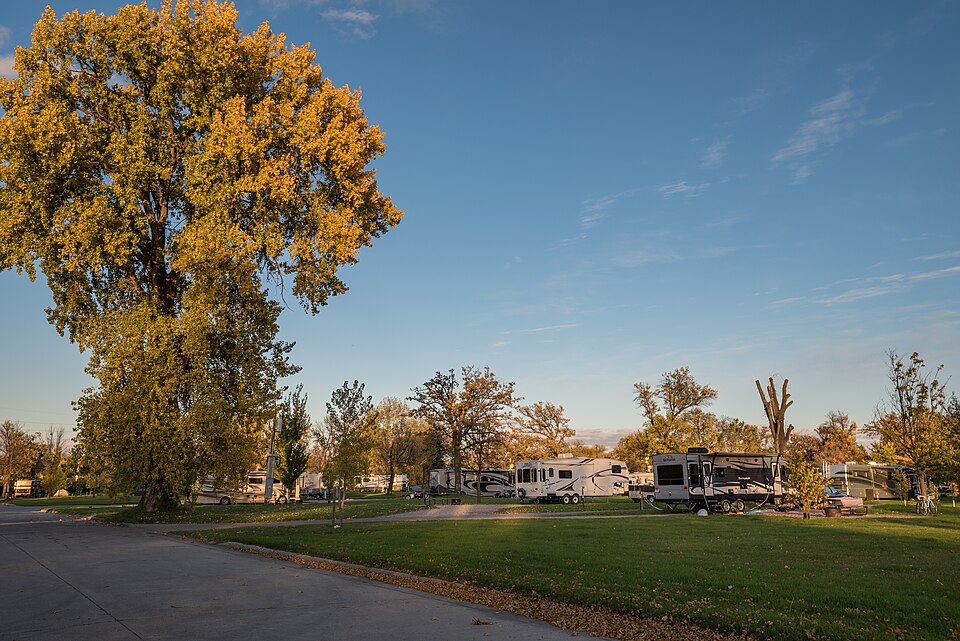
Spring in South Carolina brings a burst of color and comfortable temperatures, usually ranging from the 60s to the 70s. From late March through May, the azaleas and jasmine begin to bloom, scenting the air throughout the region. While the ocean may still be a bit too brisk for a long swim without a wetsuit, the weather is perfect for hiking the Sculptured Oak Nature Trail or exploring the floral displays at nearby botanical gardens. It is a fantastic time for golfers and those who want to explore the historic sites around Conway without the summer heat.
Keep in mind that spring break can bring brief surges in visitors, particularly in the central downtown areas. If you prefer a quieter experience during the spring, consider staying further south near Surfside Beach. The humidity is much lower during this time compared to the summer, making it ideal for those who want to spend their entire day outdoors without feeling drained by the South Carolina sun. Checking the official park websites for seasonal blooming schedules is highly recommended.
Lock in a stay for this season
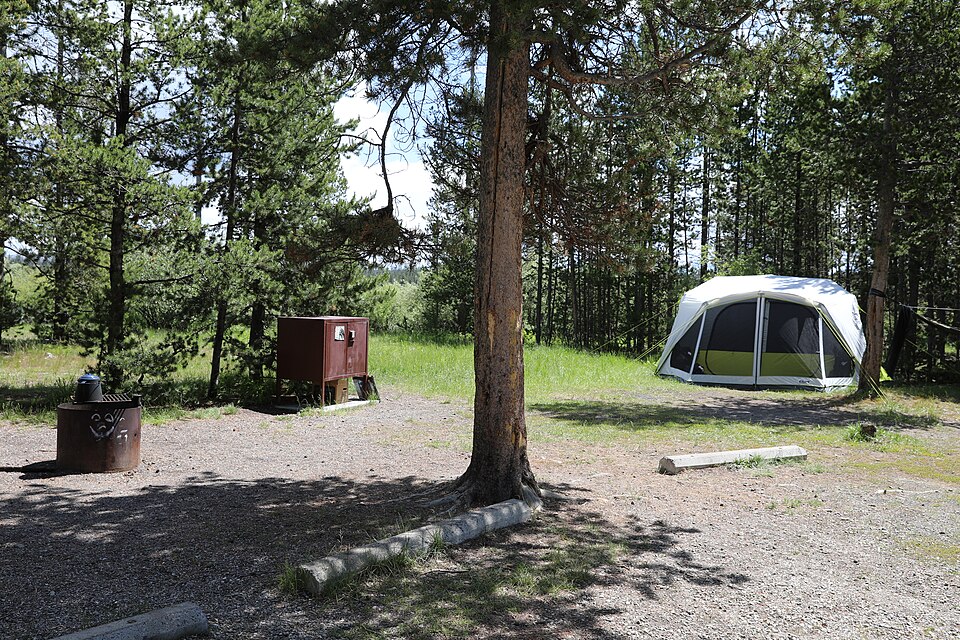
Harvest Hosts stays on the way to Myrtle Beach
Partner link · Harvest Hosts
Winter: The Quiet Season
Winter along the Grand Strand is surprisingly peaceful and significantly more affordable for those on a budget. While it is too cold for sunbathing, with temperatures often dipping into the 40s and 50s, the coast takes on a serene, desolate beauty. This is the best time for beachcombing, as winter storms often wash up unique shells and fossils that are usually picked over during the summer months. You can walk for miles along the shoreline without seeing another soul, providing a rare sense of solitude.
Many seasonal attractions may reduce their hours or close for maintenance during the winter, so it is important to verify availability before planning your day. However, the core natural beauty of the state parks remains accessible year-round. The lack of crowds means you can often find great value on oceanfront suites that would be out of reach in July. It is a time for cozy sweaters, brisk walks on the pier, and enjoying the coastal scenery without the typical tourist bustle.
Reservations and Planning Tips
Timing your reservations is critical for a successful Myrtle Beach trip. For summer stays, especially around the July 4th holiday, you should look to book your lodging at least four to six months out. Even for spring and fall, the most popular campgrounds at the state parks often fill up as soon as the reservation window opens. If you are planning a trip around a specific event or festival, double-check the local calendars, as these can cause sudden spikes in traffic and accommodation costs.
Always consult the official National Park Service or South Carolina State Parks websites for current conditions, especially regarding beach access points and potential closures. While daily budgets average around $185 per person, this can fluctuate wildly based on the season. Off-peak travel in November or February can significantly lower your costs, while mid-July will be at the highest end of the spectrum. Regardless of when you visit, the Grand Strand offers a classic American beach experience that rewards those who plan ahead for the changing coastal seasons.
More ways to book Myrtle Beach
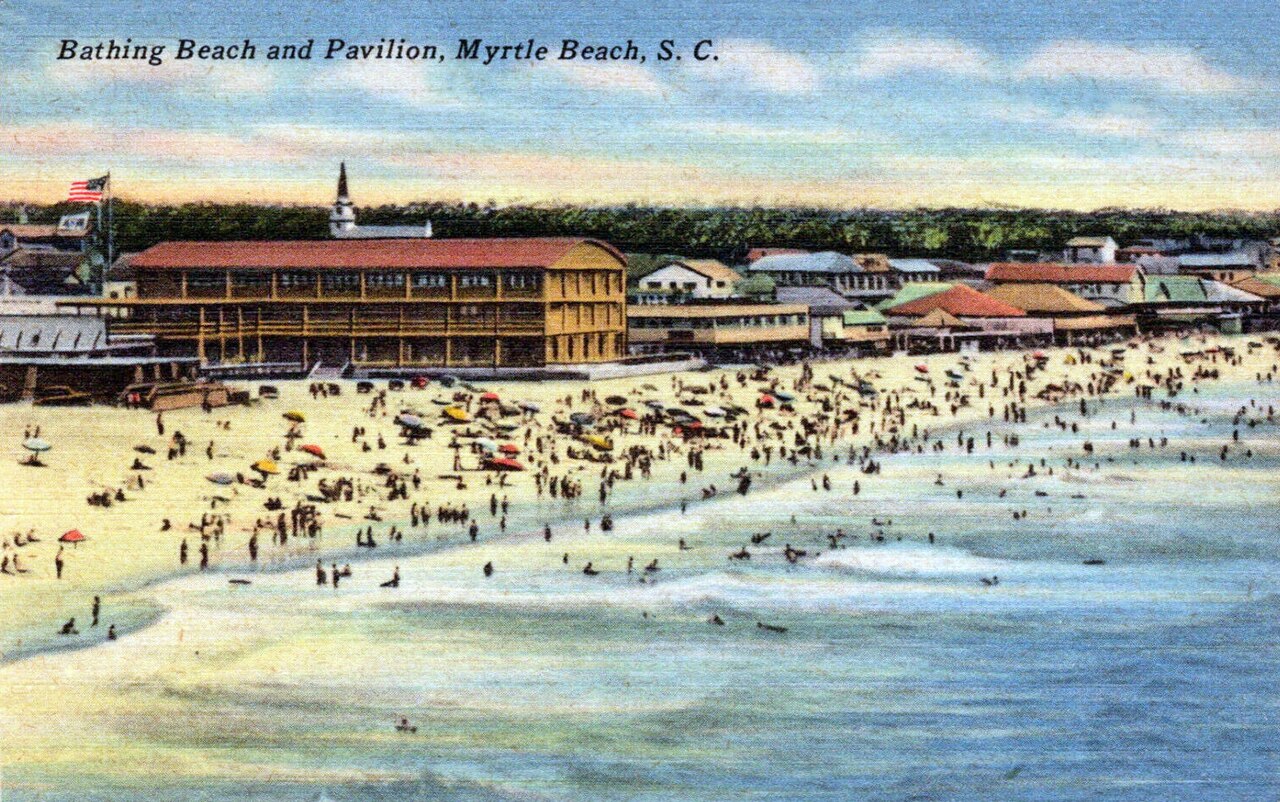 Illustrative · Tichnor Brothers, Inc.
Myrtle Beach State Park Hiking
One of the classic ways to experience Myrtle Beach.
Varies (estimate)
Partner link · Viator