The best time to visit Mount Rainier is usually July through September, when more high-elevation roads and hiking trails become accessible and the days suit a full outdoor itinerary. That window still includes lingering snow, busy parking lots, and fast-changing mountain weather, so choose your dates around the experience you want: summer meadows, quieter fall walks, or a snow-covered visit focused on the park’s accessible lower areas.
Spring: Waterfalls Below, Winter Above
Spring brings rushing water and fresh growth to lower elevations, but it does not mean summer hiking conditions on Mount Rainier. Paradise commonly remains deeply snow-covered, and roads to higher areas may still be closed. Build a spring visit around Longmire, accessible forest walks, and roadside scenery rather than a fixed list of alpine trails.
Pack waterproof layers and footwear with good traction, and check individual trail reports before leaving your lodging. Snow travel requires different skills and equipment than an ordinary day hike. Spring can mean fewer visitors in some areas, but limited road access also concentrates people into fewer destinations. Keep a lower-elevation backup plan for each day.
Summer: The Main Hiking and Wildflower Window
July and August offer the broadest range of summer experiences, including high-country hiking around Paradise and Sunrise when roads and trails are open. Wildflowers often peak during this period, but timing shifts with snowmelt, elevation, and yearly weather. Early July can still bring substantial snow on popular routes, so a calendar date alone is not proof that a trail is ready.
This is also the busiest season. Visit popular trailheads early, consider weekdays, and keep a second destination in mind if parking fills. Stay on established paths through meadows, even when a photograph looks better a few steps away. Bring sun protection, water, and an insulating layer despite warm conditions at the entrance.
Fall: Color, Cooler Trails, and Shorter Days
September often balances hiking access with cooler temperatures and changing meadow color. Clear days can be excellent for mountain views, while weekdays may feel less crowded than midsummer weekends. It is still a popular month, especially when the forecast looks favorable, so do not assume lodging or parking will be easy to find at the last minute.
By October, storms and snowfall make high-elevation plans less dependable. Seasonal roads and services close as conditions change, and daylight becomes a more important limit on long hikes. Start earlier, carry a headlamp, and shorten your route when the weather deteriorates. Check the official Mount Rainier National Park website for road status before committing to a particular entrance.
Winter: A Snow-Focused Visit With Flexible Plans
Winter transforms the park into a snow destination rather than a conventional hiking getaway. The southwest approach through Nisqually and Longmire is the usual starting point, but access farther uphill can be delayed or closed by storms, plowing, or other conditions. Do not build a winter trip around reaching Paradise on a specific day.
Snowshoeing and other winter outings require attention to terrain, avalanche conditions, daylight, and navigation. Choose activities that match your experience, and seek current ranger guidance rather than following summer trail descriptions. Check official tire-chain requirements and road updates before driving. Lodging outside the park gives you a useful fallback when access changes, but rural roads can also have winter conditions.
When to Book and How to Handle Crowds
For a summer trip, begin checking lodging and campground reservation calendars several months ahead, especially for weekends and family-sized accommodations. Availability and booking windows vary, so use official reservation links rather than assuming every site opens on the same schedule. Backpacking and climbing have separate permit requirements that need their own planning.
Vehicle-entry reservation rules can change between seasons. Check the official park/NPS website for your dates, entrance, current conditions, and any reservations required; a lodging booking or park pass should not be assumed to cover every requirement. Arrive early for popular areas, but understand that early arrival does not guarantee parking. Leave time between hikes instead of stacking tightly timed stops across the park.
Book it for Mount Rainier National Park

Harvest Hosts stays on the way to Mount Rainier National Park
Membership for overnight RV stays at farms, wineries and other unique spots along your route.
Partner link · Harvest Hosts
Campsites near Mount Rainier National Park on Campspot
Private campgrounds, cabins and glamping just outside the park, often with availability when park sites sell out.
Partner link · Campspot
RV parks near Mount Rainier National Park on RoverPass
Book RV parks and campgrounds online with full hookups near the park.
Partner link · RoverPass
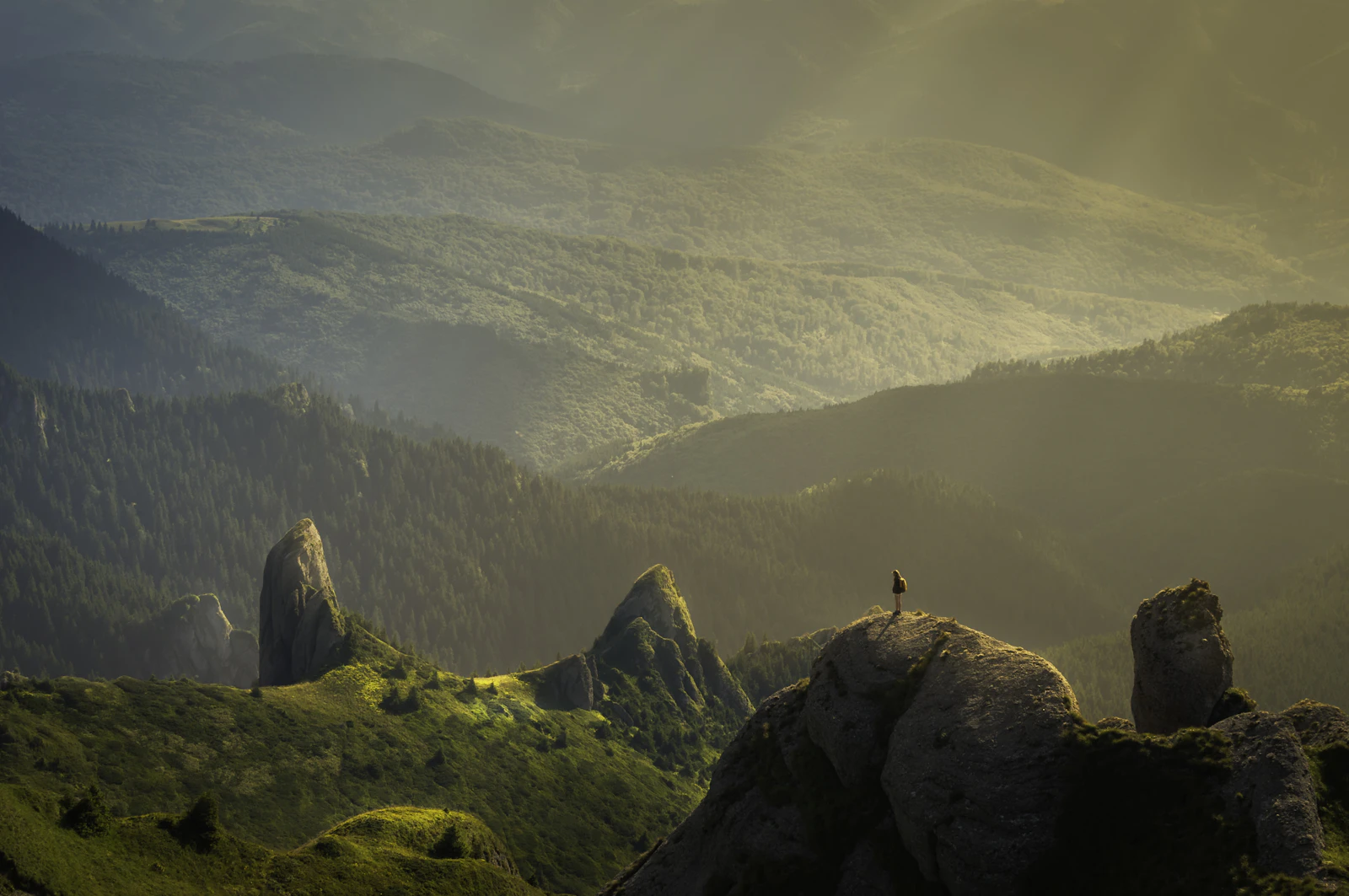
Skyline Trail at Paradise
Late July here is the single best wildflower display in the US.
Varies (estimate)
Partner link · Viator
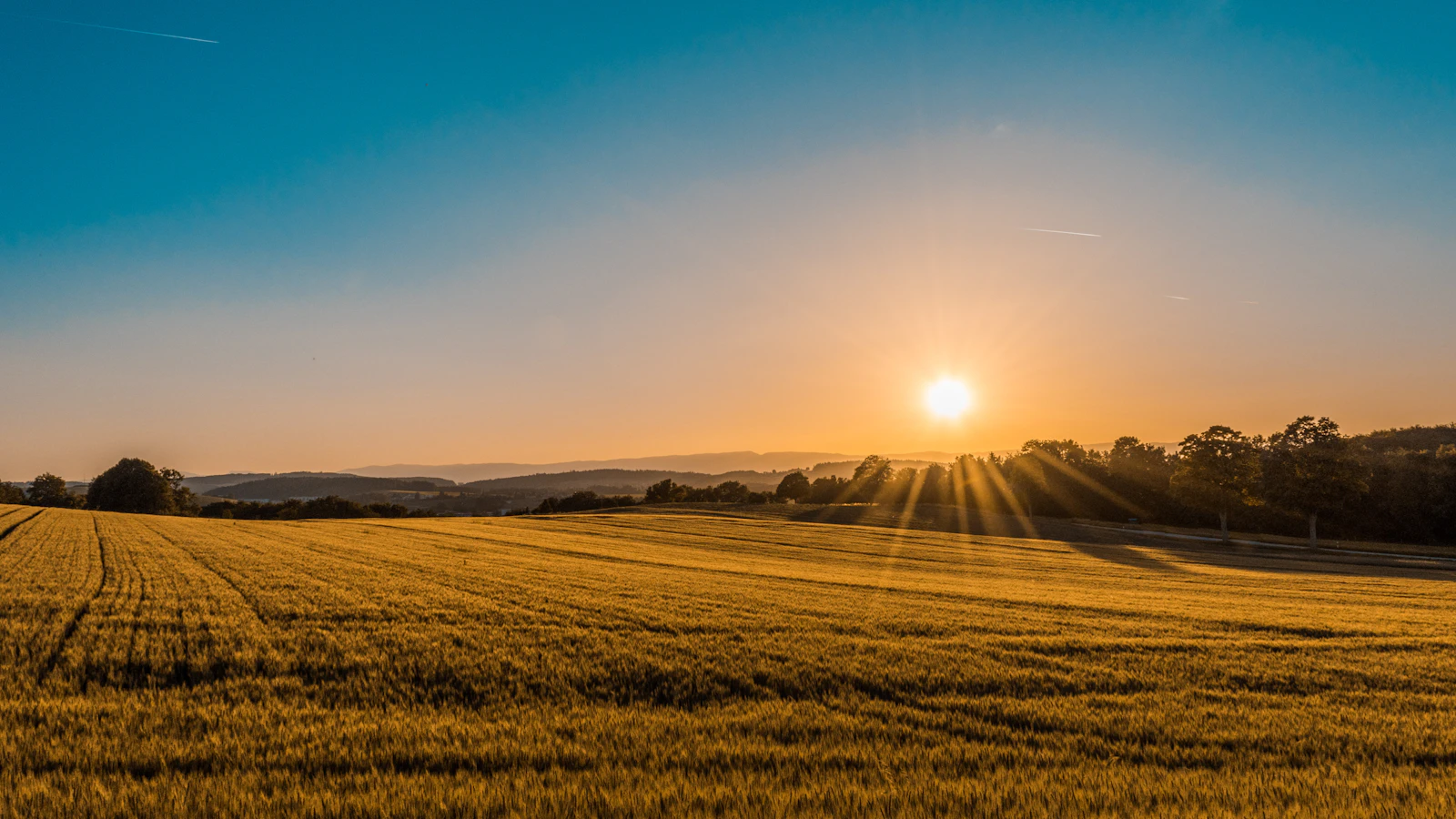
Sunrise Point & Burroughs Mountain
The closest you can get to the glaciers on two legs.
Varies (estimate)
Partner link · Viator
Grove of the Patriarchs Walk
Fifteen minutes of walking into trees older than most countries.
Varies (estimate)
Partner link · Viator