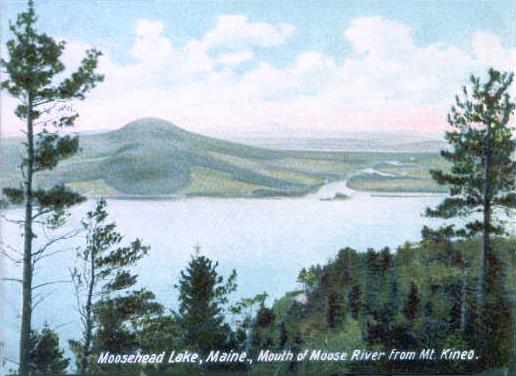
Choosing the best time to visit Moosehead Lake depends largely on your appetite for wilderness adventure and your tolerance for Maine's unpredictable weather. While the region is a year-round destination for outdoor enthusiasts, each season offers a completely different landscape, from the lush greens of midsummer to the stark, frozen beauty of midwinter. Timing your trip correctly ensures you see the legendary wildlife and experience the serene mountain vistas at their absolute peak.
Summer: Peak Season for Water and Wildlife
June through August is widely considered the best time to visit Moosehead Lake for traditional lake activities. The long, warm days are perfect for exploring the 75,000 acres of water by motorboat, canoe, or kayak. During these months, the water temperature rises to a comfortable level for swimming near the shallow shorelines of Lily Bay State Park. This is also the prime window for moose sightings, especially in the early mornings or at dusk near boggy areas and quiet coves.
Visitors should be aware that early June can bring Maine's famous black fly season. If you are planning a trip during this window, come prepared with bug nets and long sleeves. By late July, the insects subside, making it the ideal time for high-altitude hiking on Mount Kineo. Because this is the busiest time of year, it is essential to check the official park websites for campsite availability and boat rental reservations well in advance.
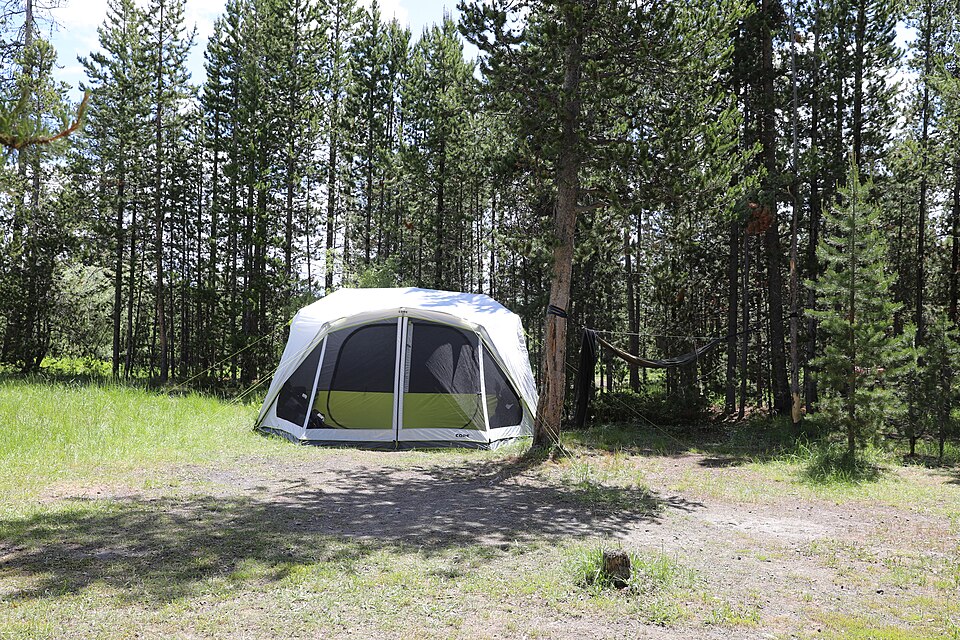
Lock in a stay for this season
RV parks near Moosehead Lake on RoverPass
Partner link · RoverPass
Fall Foliage and Crisp Mountain Air
September and October transform the Northern Maine Highlands into a kaleidoscope of scarlet, orange, and gold. Many travelers argue that early October is the best time to visit Moosehead Lake because the humidity drops and the biting insects disappear. The cooler temperatures make for excellent hiking conditions on the Pinnacle or Big Moose Mountain, where you can get a bird's-eye view of the colorful canopy stretching for miles toward the Canadian border.
As the crowds thin out after Labor Day, the region takes on a more contemplative, quiet atmosphere. You will find that the local towns like Greenville are less bustling, providing a more authentic North Woods experience. Keep in mind that some seasonal services, including certain tour boat operations and remote sporting camps, begin to wind down or close for the season by mid-October. Always verify operational dates for local services before arriving for a late-season trek.
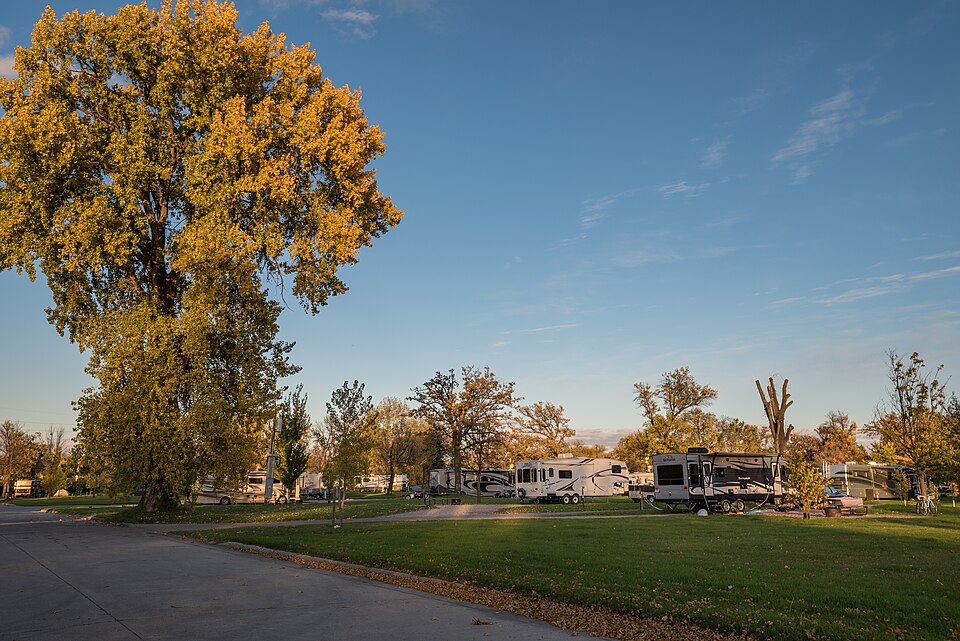
Winter: A Frozen Wilderness Wonderland
Winter turns the lake into a vast, white highway. Once the ice reaches a safe thickness, usually by January, the area becomes a hub for ice fishing, snowmobiling, and cross-country skiing. The annual dog sled races and the popular chocolate festival in Greenville draw visitors who enjoy the crisp, cold air and the community spirit of the Maine woods. This is the quietest time of year for traditional tourism, offering a sense of solitude that is hard to find elsewhere in New England.
If you visit during the winter, you must be prepared for sub-zero temperatures and significant snowfall. Roads can be challenging, so a four-wheel-drive vehicle is highly recommended for navigating the backcountry routes. While you won't see mooseâas they retreat deep into the forest during the heavy snowsâyou might spot tracks of lynx or snowshoe hares. Winter lodging often centers around cozy cabins with wood stoves, providing a stark and beautiful contrast to the frozen expanse outside your window.
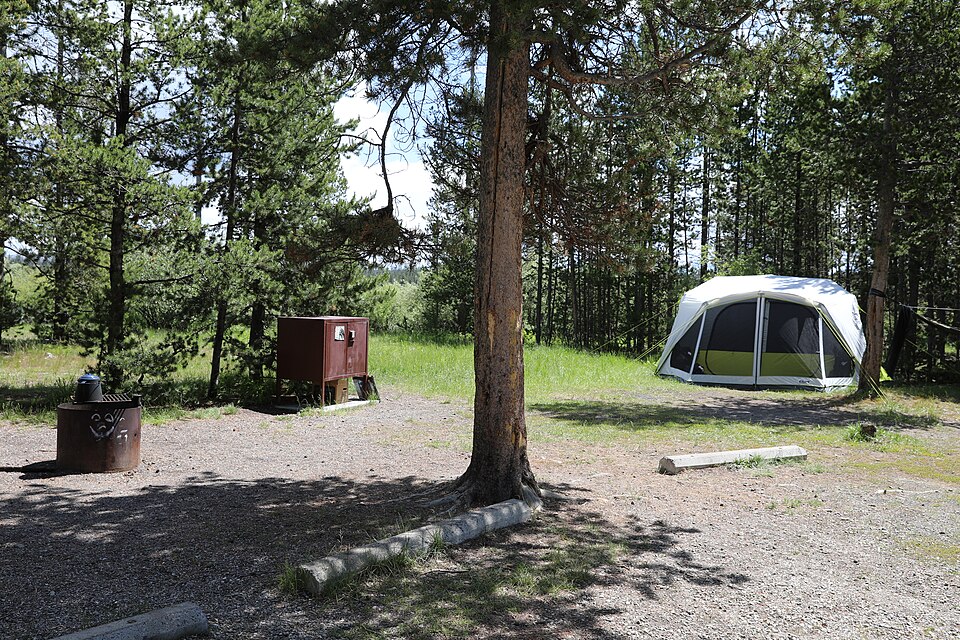
Lock in a stay for this season
Harvest Hosts stays on the way to Moosehead Lake
Partner link · Harvest Hosts
Spring: The Season of Awakening
Spring in the Maine Highlands is often referred to as 'mud season,' but it is a fascinating time for those who enjoy watching the natural world wake up. As the ice 'goes out' on the lakeâusually in late April or early Mayâthe rushing rivers become a magnet for fly fishing enthusiasts chasing brook trout and landlocked salmon. The forest floor begins to bloom with wildflowers, and the migratory birds return in spectacular numbers, making it a wonderful period for birdwatching.
Be prepared for variable conditions during the spring. Trails can be exceptionally muddy and prone to erosion, so it is vital to check current trail conditions on official Maine state park websites to avoid damaging the landscape. Many higher-elevation trails may remain closed until they dry out. However, if you enjoy the sound of rushing waterfalls and the sight of new growth, spring offers a raw and powerful look at the Maine wilderness before the summer crowds arrive.
Managing Crowds and Making Reservations
While Moosehead Lake is remote, its popularity during holiday weekends in the summer and the peak of fall foliage means that planning ahead is vital. For those looking to stay at popular spots like Lily Bay, campsite reservations often open months in advance and fill up quickly. If you prefer a quieter experience, consider visiting mid-week during the shoulder months of June or September. This allows you to enjoy the most popular hiking trails and boat launches without the weekend congestion.
Estimating your budget for a trip here is also easier when you plan ahead. While entrance to many natural areas is low-cost or free, guided wildlife tours and boat rentals can add to your daily expenses. By checking the official NPS and Maine Bureau of Parks and Lands websites, you can stay updated on any temporary closures or permit requirements for backcountry camping. Whether you are seeking the peak of summer heat or the quiet of a winter snowfall, Moosehead Lake requires a bit of logistical foresight to truly enjoy its rugged charm.

More ways to book Moosehead Lake
 Illustrative · Lee Coursey
Lily Bay Camping
One of the classic ways to experience Moosehead Lake.
Varies (estimate)
Partner link · Viator