
Monument Rocks is a geological wonder that offers a unique glimpse into the prehistoric past of the American West. These towering Niobrara Chalk formations, some reaching up to 70 feet high, were shaped by the erosive forces of water and wind over millions of years. Visitors come to this remote corner of Kansas to marvel at the natural arches, spires, and buttresses that rise unexpectedly from the flat horizon. Whether you are a photography enthusiast, a history buff, or a family on a road trip, there are plenty of ways to engage with this ancient landscape.
Photography and Scenic Sightseeing
The primary activity at Monument Rocks is photography. The chalk formations are incredibly photogenic, changing character as the sun moves across the sky. The most famous structure is the large natural arch, often called the 'Keyhole,' which provides a perfect frame for the surrounding prairie. Photographers often aim for the 'golden hour' at sunrise or sunset when the pale chalk absorbs the pink and orange hues of the sky. The textures of the rock, weathered and pitted by time, offer endless opportunities for macro photography and artistic shots.
Beyond the main formations, the vastness of the Kansas sky provides a dramatic backdrop. On clear days, the contrast between the deep blue sky and the stark white rock is striking. Because you can walk entirely around the formations, you can find unique angles that many visitors miss. Be sure to explore both the east and west sides of the clusters to see how the light interacts with the different pillars. The lack of fences immediately around the rocks allows for an immersive visual experience that is rare for such a significant landmark.
Discovering Ancient Fossils
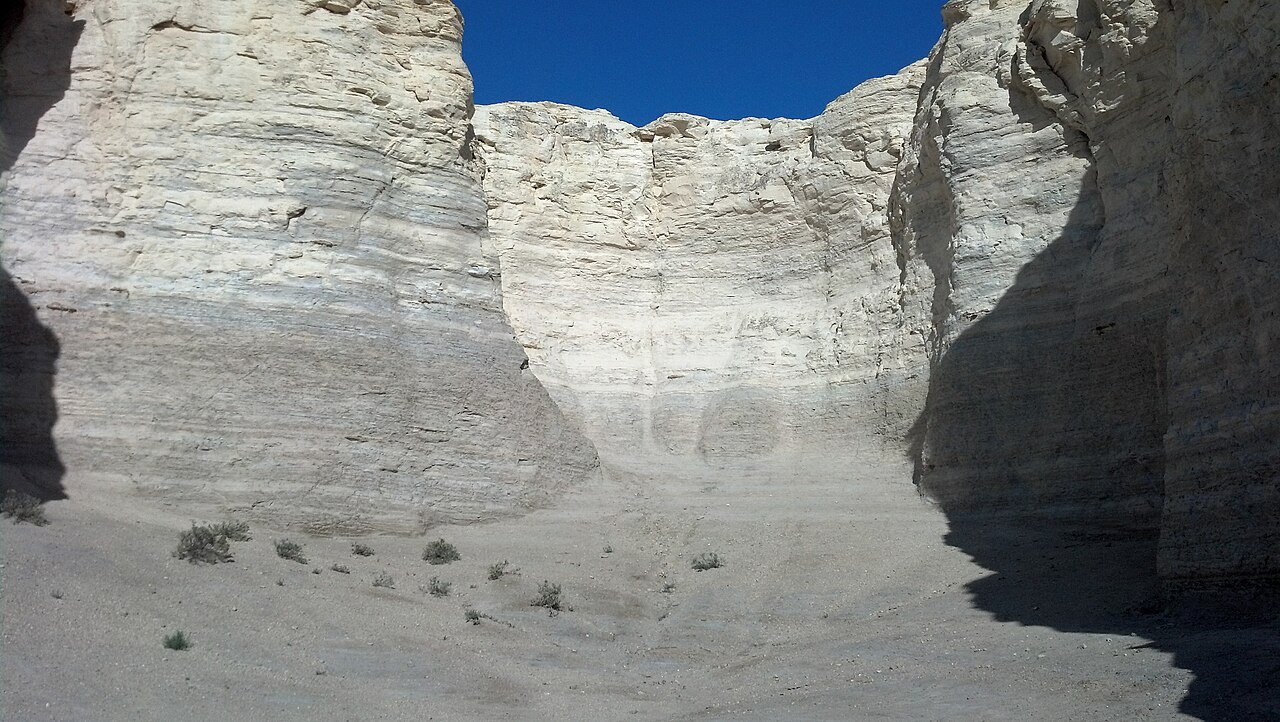
As you walk among the spires, keep a close eye on the ground and the rock faces. Monument Rocks is rich with fossils from the Cretaceous period, when this area was the bottom of the Western Interior Seaway. It is common to see small fragments of prehistoric shells, fish bones, and shark teeth embedded directly into the chalk. Seeing these remnants of marine life in the middle of a landlocked state is a powerful reminder of the Earth's changing geography. It serves as a natural museum that requires no admission fee to enter.
While it is exciting to find these ancient treasures, it is vital to remember that Monument Rocks is a protected National Natural Landmark on private property. Visitors are strictly prohibited from digging for, collecting, or removing any fossils or rock fragments from the site. Leaving these items where they lie ensures that future visitors can share in the discovery. Instead of taking a physical souvenir, take high-resolution photos of your finds to document the incredible biodiversity that once thrived in this ancient ocean millions of years ago.
Exploring with Kids and Families
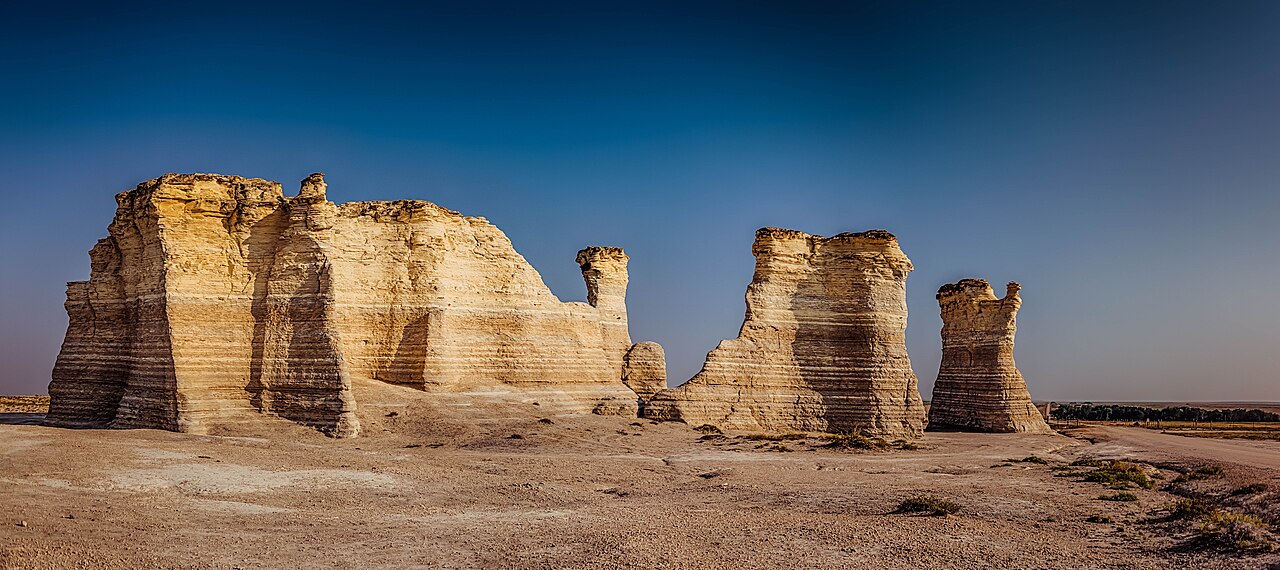
Monument Rocks is an excellent destination for families with children. The site is relatively flat, making it easy for little ones to walk around without the need for strenuous hiking. Kids often view the formations as a natural playground, enjoying the ability to weave between the giant pillars and explore the small alcoves. It provides a tangible science lesson where children can see erosion and geology in action. The scale of the rocks compared to the flat horizon is often a source of wonder for younger travelers who are used to more conventional landscapes.
To make the most of a family visit, consider bringing a guidebook about fossils or the Great Plains ecosystem. You can turn the visit into a scavenger hunt for different rock shapes or fossilized shells. Since there are no restrooms or water fountains at the site, families should come prepared with snacks, drinks, and a small first-aid kit. The area is peaceful and safe, but parents should ensure children do not climb on the fragile chalk formations, as the rock is soft and can easily crumble, posing a risk to both the landmark and the climber.
Scenic Drives and Wildlife Viewing
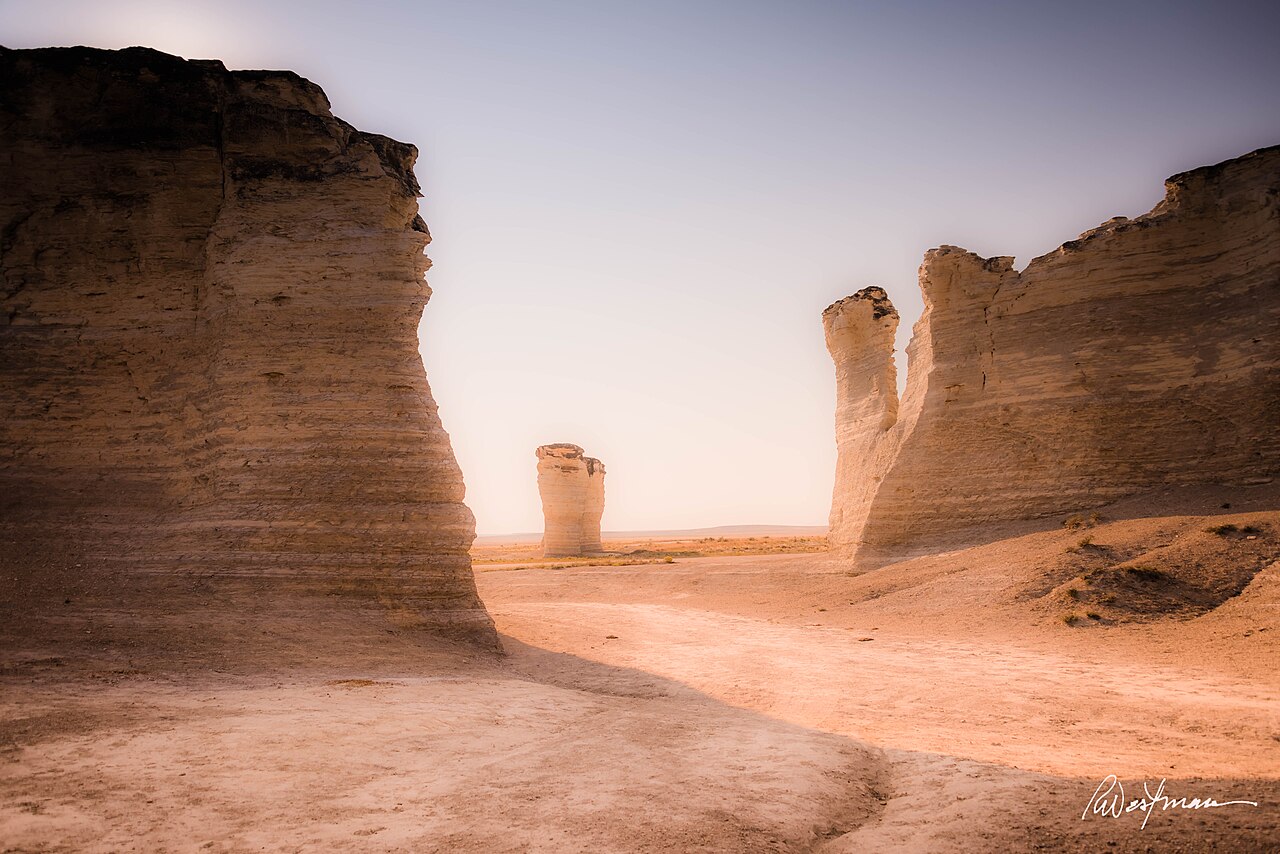
The journey to Monument Rocks is part of the experience. The drive typically involves traveling down well-maintained gravel roads that cut through expansive cattle ranches and wheat fields. This is prime territory for spotting High Plains wildlife. Keep an eye out for pronghorn antelope, which are frequently seen grazing in the distance. Birdwatchers may spot ferruginous hawks, golden eagles, or American kestrels perched on fence posts or soaring above the chalk bluffs. The open landscape allows for long-distance viewing that is quite different from forested regions.
As you drive, you will also notice the Western Vistas Historic Byway, which connects several geological and historical sites in the area. This route offers a deeper look at the region's heritage, from Native American history to the era of the Old West. The drive is particularly beautiful in the late afternoon when the shadows of the rolling hills stretch across the road. Travelers should ensure their vehicles have enough fuel, as gas stations are sparse once you leave the main highways near Oakley or Scott City.
Rainy Day Activities and Nearby Stops
If you find yourself in western Kansas on a rainy day, visiting Monument Rocks can be difficult because the dirt access roads can become very slippery and muddy. In these cases, it is best to explore the indoor attractions in the nearby gateway cities. In Oakley, you can visit local museums that focus on the natural history of the region, including impressive displays of fossils found in the Niobrara Chalk. These museums provide context for what you see at the rocks, featuring full skeletons of prehistoric sea monsters like the Tylosaurus.
Another great rainy-day option is to head south to Scott City to visit Keystone Gallery or the local state park facilities. These indoor spaces offer a wealth of information about the Smoky Hill Chalk region. You can learn about the cultural history of the El Cuartelejo ruins or view curated collections of local minerals and fossils. Once the rain clears and the roads dry out, you can return to Monument Rocks with a newfound appreciation for the geological history you learned about indoors. Always check for current road conditions through the official park or local county updates after heavy rainfall.