
For those who want to experience the rugged beauty of the Atlantic coast without sacrificing comfort, glamping in the Montauk area offers a perfect middle ground. While traditional camping has long been a staple of the Hither Hills experience, a new wave of elevated outdoor stays has emerged, allowing visitors to sleep under the stars in stylish tents or renovated vintage trailers. This style of travel emphasizes a connection to the environment, providing a front-row seat to the sound of the waves and the salt air of the eastern tip.
The Glamping Experience
Glamping near Montauk typically involves staying in large, canvas safari-style tents or modern, eco-friendly cabins. Unlike traditional camping, these accommodations often feature real mattresses, high-quality linens, and sometimes even climate control or private decks. The goal is to remove the 'work' of campingâno pitching tents or sleeping on the hard groundâso you can focus entirely on the natural surroundings.
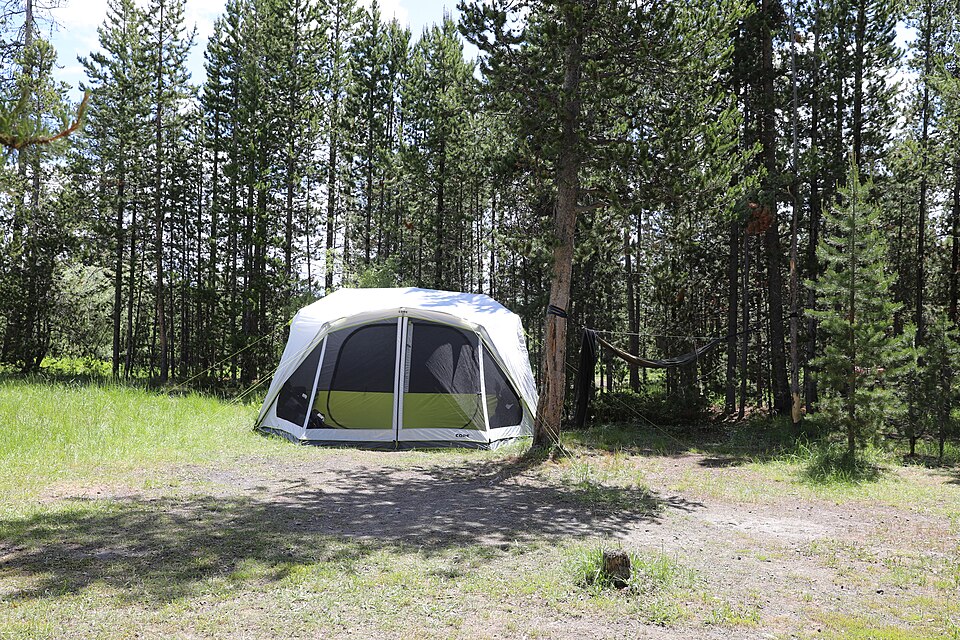
Many glamping sites are situated to take advantage of the unique geography of the area, located near the dunes of Napeague or tucked away in the maritime forests. These sites often provide communal areas for evening bonfires, providing a social atmosphere where guests can share stories of their day at the beach. It is a fantastic option for families who want an outdoor adventure or couples looking for a romantic, off-beat getaway that feels more intimate than a standard hotel room. While amenities vary, the focus remains on high-end simplicity and immediate access to the outdoors.
Where to Find Outdoor Stays
While the village of Montauk itself is small, several surrounding areas offer excellent opportunities for outdoor stays. Hither Hills is the most famous location, known for its sprawling beachfront campground. While primarily focused on traditional tent and RV sites, it serves as the hub for the region's outdoor living culture. The nearby gateway towns of Amagansett and East Hampton also feature private properties that host glamping setups, often located on farmsteads or near the quiet bays.
If you are looking for a more secluded experience, look toward the areas near Lake Montauk or the northern side of the peninsula along the Block Island Sound. These locations offer a quieter alternative to the bustling oceanfront beaches. Because land is at a premium in this part of Long Island, glamping sites are often limited in number and highly sought after, so it is important to research and book your site well in advance of the summer season.
Glamping vs. Camping vs. RVs
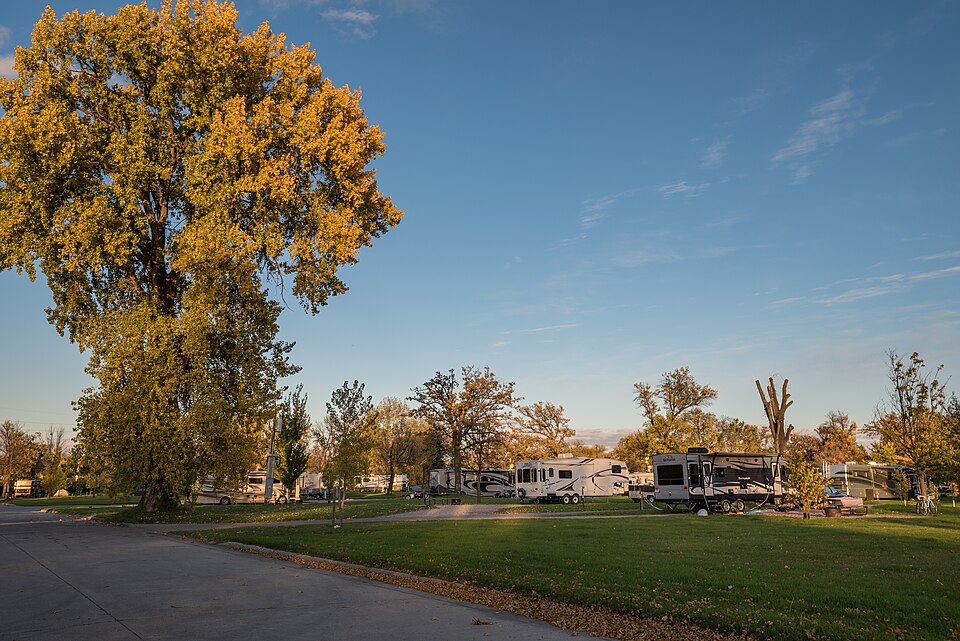
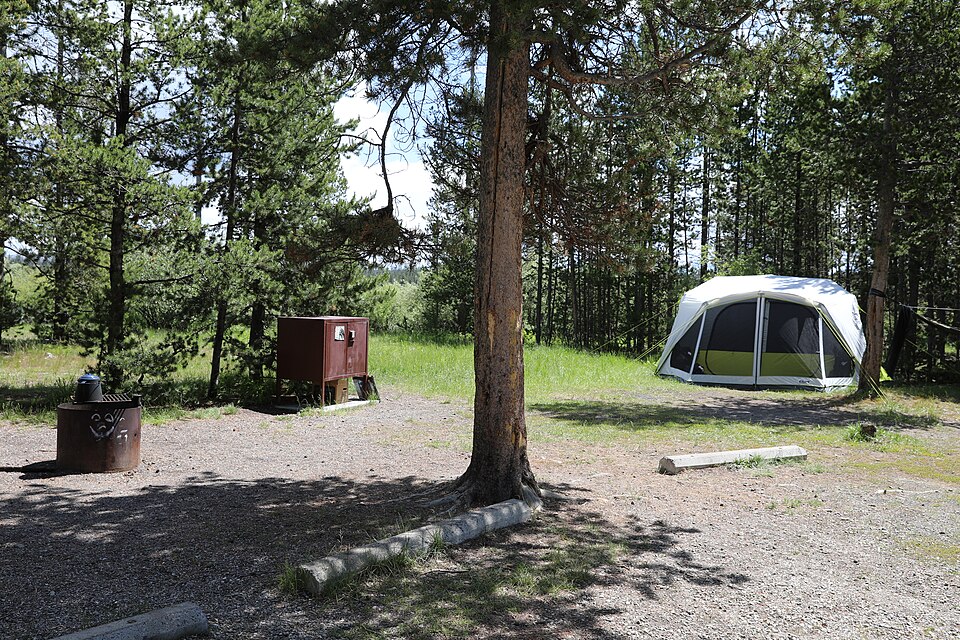
Choosing between glamping, traditional camping, and RVing depends on your preferred level of immersion and convenience. Traditional camping at Hither Hills is the most affordable and authentic way to experience the coast, but it requires bringing all your own gear and dealing with the elements. RVing is incredibly popular in Montauk, providing a mobile home base with kitchens and bathrooms, though securing a spot with hookups can be very competitive.
Glamping stands out by providing a 'turn-key' experience. You simply show up, and your luxury tent is ready for you. It is ideal for those flying into the area from New Haven or New York City who cannot easily transport camping equipment. While glamping is generally the most expensive of the three options, it provides a level of comfort and aesthetic appeal that matches the upscale vibe of the Hamptons. For many, the higher cost is worth the benefit of a good night's sleep in a real bed after a long day of surfing or hiking.
Best Season for Glamping
The window for glamping in Montauk is shorter than the standard hotel season, typically running from late May through September. The coastal weather is the primary factor; the high humidity and ocean breezes are pleasant in the summer, but the spring and late fall can bring damp, chilly nights that make canvas-walled living less comfortable. July and August are the peak months, offering the warmest nights for sitting outside your tent and enjoying the sea air.
September is often considered the 'sweet spot' for glamping. The insects are less active, the nights are crisp but not freezing, and the crowds have diminished. If you choose to glamp in the early summer, be prepared for the morning sea fog, which can make everything feel a bit damp. Regardless of the month, always pack layers. Even in the heat of August, the temperature at the 'End of the World' can drop significantly once the sun goes down and the ocean breeze picks up.
Planning and Reservations
Planning a glamping trip to Montauk requires early action. Sites at Hither Hills are famously difficult to get, often booking up minutes after they are released on the state park reservation system. Private glamping operators also see high demand, especially for weekend stays. Start your search at least six months in advance if you have specific dates in mind.
Always check the specific amenities offered by your host, as some glamping sites provide shared bathroom facilities while others offer private en-suite options. Additionally, verify the pet policy and fire regulations, as these can be quite strict in the sensitive dune environments. For the most up-to-date information on park-operated campsites and environmental regulations, consult the official New York State Parks website. By doing your homework early, you can ensure a seamless transition from the busy city to a tranquil, luxury outdoor retreat on the edge of the Atlantic.