

Choosing the best time to visit Minneapolis depends entirely on your appetite for adventure and your tolerance for the crisp northern air. Known for its distinct seasons, this city transforms from a lush, lakeside paradise in the summer to a shimmering, snowy wonderland by mid-winter. While the summer months offer the most vibrant outdoor energy, every season brings a unique flavor to the Twin Cities landscape, from the golden hues of the Mississippi riverbanks to the cozy, indoor culture that thrives during the colder months.
Summer: The High Season of Lakes and Festivals
Summer, specifically from June through August, is widely considered the peak window to experience Minneapolis at its most active. During these months, the city truly lives up to its reputation as a waterfront haven. The Chain of Lakes becomes the central hub for locals and visitors alike, with sailboats dotting the water and cyclists packing the paved trails. Temperatures typically hover in the upper 70s to mid-80s, providing the perfect climate for outdoor concerts, farmers markets, and street festivals.
Because this is the most popular time to visit, you should expect higher demand for centrally located accommodations and busier trailheads. Reservations for popular dining spots and lakefront rentals are highly recommended well in advance. Despite the crowds, the energy is infectious, as residents emerge to soak up every minute of the sunshine. Be prepared for occasional humidity and sudden afternoon thunderstorms, which are common in the Upper Midwest during July, but these usually pass quickly, leaving behind clear evening skies.
Fall: Crisp Air and Vibrant Foliage
September and October represent a spectacular transition period in Minneapolis, often cited by locals as the most beautiful time of year. As the heat of summer fades, the city is painted in brilliant oranges, reds, and golds. The humidity drops, replaced by a refreshing crispness that makes hiking along the Mississippi River Gorge or strolling through the Sculpture Garden exceptionally comfortable. Daytime temperatures are mild, while evenings become cool enough for light jackets and outdoor fire pits.
Crowds begin to thin out significantly after Labor Day, making it easier to secure tables at top-rated restaurants and find quieter moments in the parks. This is the prime season for apple picking in the nearby river valleys and enjoying the final harvest festivals of the year. Fall foliage usually peaks in early to mid-October, though this can vary annually. Travelers should pack layers to accommodate the shifting temperatures, as a sunny 65-degree afternoon can quickly drop into the 40s once the sun sets over the city skyline.
Winter: Embracing the Bold North
Winter in Minneapolis, spanning from late November through March, is a season for the hearty and the curious. While temperatures frequently drop below freezing, the city is remarkably well-equipped for the cold. The extensive Skyway system allows visitors to navigate the downtown core without ever stepping outside, connecting shops, theaters, and eateries. For those who embrace the snow, winter offers the chance to try ice fishing on local lakes, cross-country skiing through city parks, or attending the vibrant winter festivals that celebrate the sub-zero climate.
Travel costs are often lower during this period, with the exception of major holidays or sporting events. It is a fantastic time for museum-hopping and enjoying the city’s renowned craft coffee and brewery scene. However, be mindful of weather-related travel delays at MSP airport. If you plan to drive, be prepared for snowy road conditions and check local forecasts frequently. While it is the quietest season for traditional tourism, the indoor cultural scene is at its most vibrant during these months.
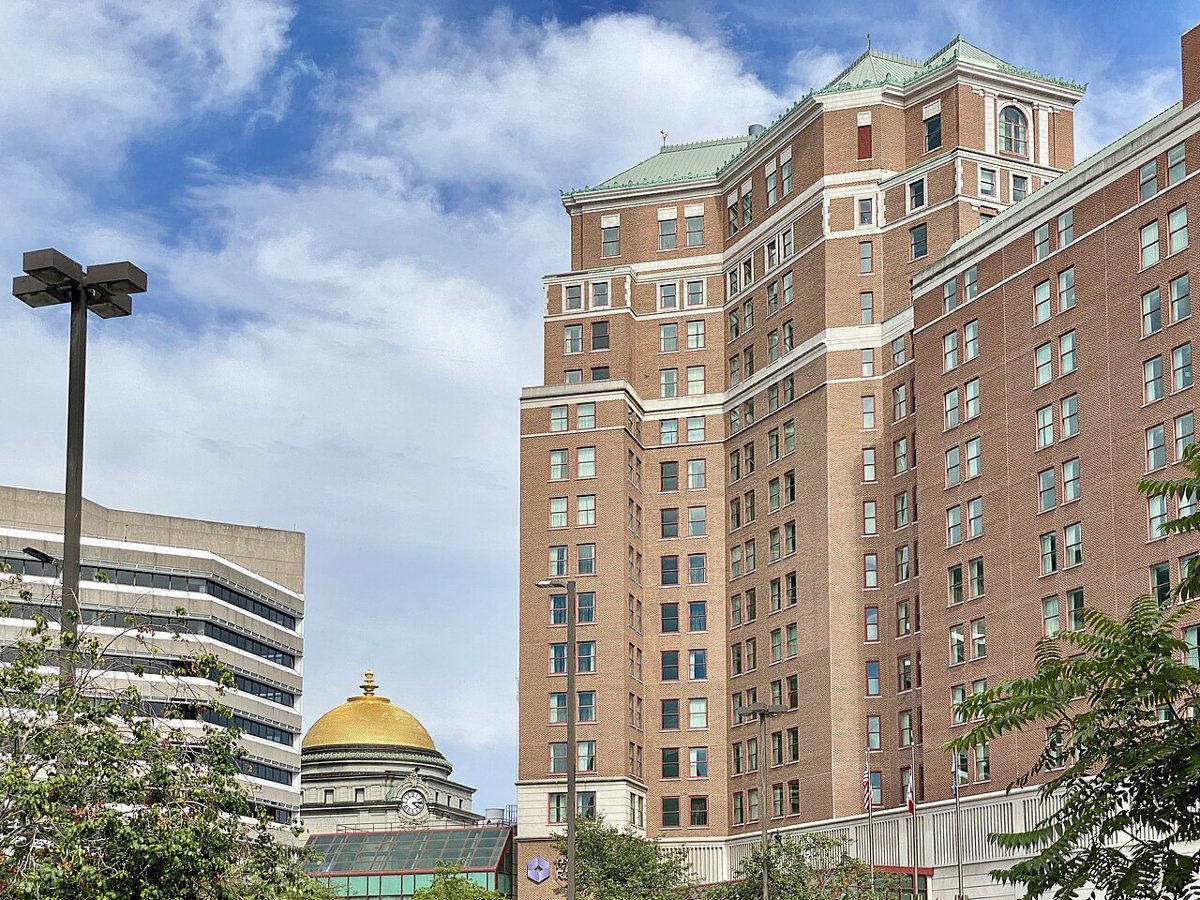
Lock in a stay for this season
Harvest Hosts stays on the way to Minneapolis
Partner link · Harvest Hosts
Spring: The Great Awakening
Spring in the Twin Cities is a period of rapid change, usually arriving in late April and stretching through May. This season is characterized by the sight of the ice finally melting off the lakes and the first green buds appearing on the urban canopy. The weather can be unpredictable, ranging from late-season snow showers to balmy, rain-soaked afternoons. Despite the volatility, there is a palpable sense of excitement as the city’s many gardens, including the Eloise Butler Wildflower Garden, begin to bloom.
This is a shoulder season, meaning you can often find moderate prices for lodging and fewer tourists at major attractions like the Mall of America or the Walker Art Center. It is a great time for birdwatching as migratory species return to the Mississippi flyway. Travelers should bring waterproof gear, as spring rains are frequent. While the lakes may still be too cold for swimming or boating, the hiking trails are generally open and offer a front-row seat to the region’s natural renewal after the long winter freeze.
Planning Tips and Reservations
Regardless of when you choose to visit, timing your reservations is key to a smooth Minneapolis experience. For summer trips, booking your hotel or rental at least three to four months in advance is wise, especially if your visit coincides with major events like the Minnesota State Fair in late August or large-scale music festivals. For those planning a winter getaway, keep an eye on the schedule for professional sports and theater openings, which can drive up weekend rates in the downtown area.
Always check the official Minneapolis park board or National Park Service websites for the Mississippi National River and Recreation Area to confirm seasonal hours for visitor centers and equipment rentals. Some park facilities and seasonal attractions may have limited hours during the spring and fall transitions. If you are interested in specific activities like paddleboarding or snowshoeing, look for rental availability early in the day. By planning around the seasonal shifts, you can ensure that your visit aligns perfectly with the activities and atmosphere you enjoy most.
More ways to book Minneapolis
 Illustrative · Mikael Häggström, M.D. Author info - Reusing images- Conflicts of interest: None
Mikael Häggström, M.D.
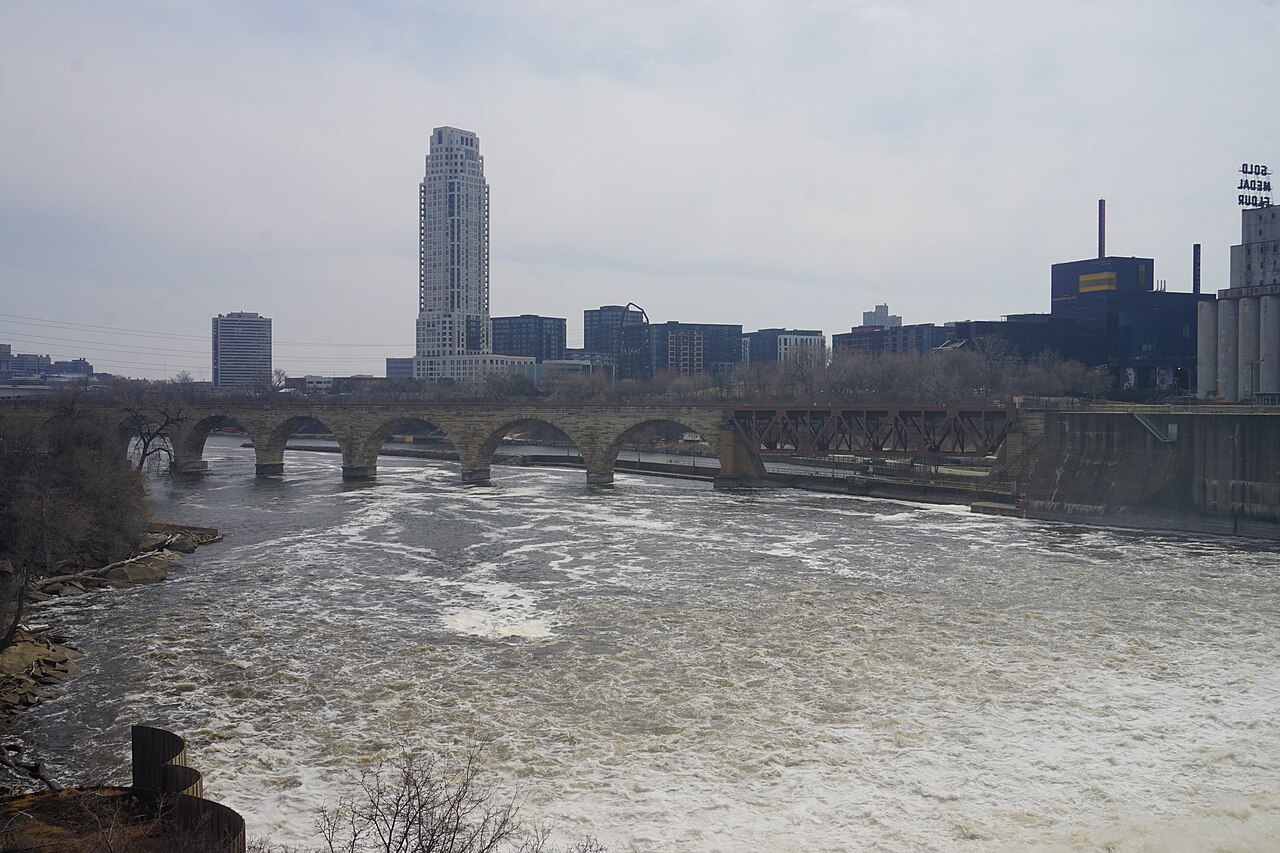
Stone Arch Bridge Crossing
One of the classic ways to experience Minneapolis.
Varies (estimate)
Partner link · Viator