

Choosing when to arrive in South Florida is a balance between chasing the sun and avoiding the peak humidity of the tropical landscape. The region enjoys a unique climate where the winters feel like a mild spring elsewhere, making it a premier destination for those looking to escape the northern chill. Understanding the shift between the dry and wet seasons will help you pack the right gear and set realistic expectations for your coastal adventure.
The Golden Window of Winter and Spring
The most popular time to visit Miami spans from November through April, when the humidity drops and the temperatures settle into a comfortable range. During these months, you can expect daily highs in the mid-70s to low 80s, providing the perfect environment for exploring the Art Deco Historic District on foot or lounging on the sands of South Beach without the sweltering heat. The Atlantic waters remain relatively warm, though some may find them brisk compared to the peak of summer.
This window coincides with the dry season, meaning your outdoor plans are less likely to be interrupted by the sudden afternoon thunderstorms that characterize Florida’s summers. It is the ideal period for birdwatching in nearby Everglades National Park or taking long boat tours through Biscayne Bay. Because the weather is so reliable, this is also when the city hosts its major international art and design festivals, drawing large crowds from across the globe.
Navigating the Summer Heat and Humidity
From June through September, Miami transforms into a true tropical environment marked by high temperatures often reaching into the 90s and significant humidity. This is the wet season, where brief but intense downpours occur almost daily, usually in the mid-afternoon. While the heat can be intense, these months offer a quieter side of the city. The pace slows down, and you will find more space on the beaches and shorter wait times at popular waterfront dining spots.
Water activities become the primary focus during the summer, as the ocean temperature rises to a bathtub-like warmth, perfect for extended snorkeling sessions or paddleboarding. Travelers should be aware that this period also overlaps with the Atlantic hurricane season. While major storms are infrequent, it is essential to monitor weather forecasts and check the official NPS or local government sites for any tropical weather advisories before traveling. If you don't mind the occasional rain and the tropical sun, summer offers a lush, green version of the city.

Crowd Dynamics and Peak Travel Periods
Miami experiences its highest influx of visitors during the winter holidays, spring break in March, and during major city-wide events. During these peaks, the city vibrates with energy, but traffic can become congested and popular coastal spots fill up early in the day. If you prefer a more serene experience, consider the shoulder months of May or October. These transitional periods offer a compromise between the intense heat of summer and the busy crowds of the winter.
Planning your visit during the week rather than on weekends can also help mitigate the feeling of being in a crowded hub. Even in the height of the season, morning visits to popular parks or museums often provide a more relaxed atmosphere before the midday rush arrives. Keep in mind that high-demand periods require more foresight, so looking into reservations for popular activities or tours several weeks in advance is highly recommended to ensure you get the experience you are looking for.
Lock in a stay for this season
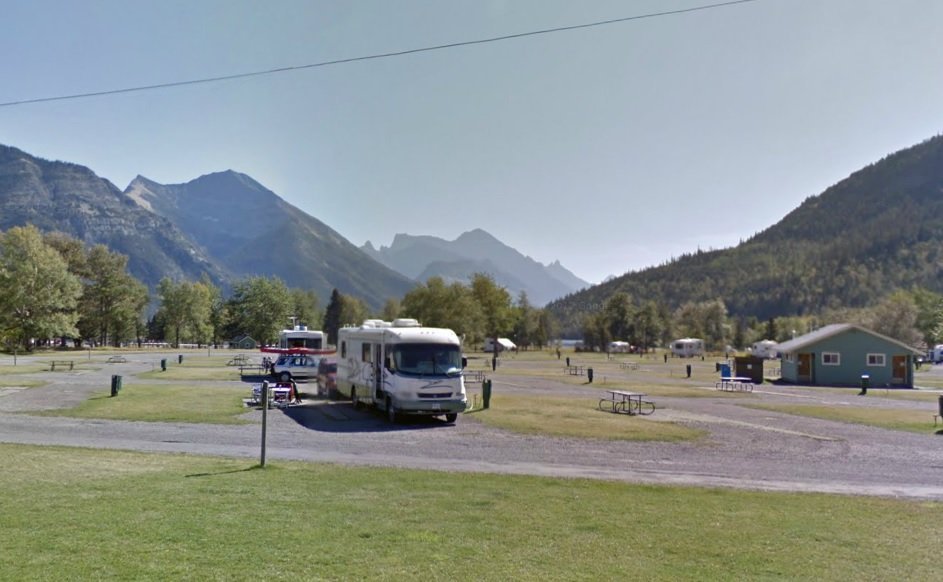
Harvest Hosts stays on the way to Miami
Partner link · Harvest Hosts
Managing Reservations and Logistics
Because Miami is a year-round destination, lodging and popular excursions are always in demand. For visits during the best time to visit Miami—the winter months—it is wise to start your search well in advance. Accommodations in the Art Deco district or along the immediate coastline tend to reach capacity quickly. Similarly, if you plan to explore the surrounding national parks, such as the Everglades or Biscayne, checking for tour availability early is a necessity, especially for specialized activities like ranger-led boat trips.
Transportation is another factor to consider. If you are arriving at Miami International Airport, you will find a variety of transit options, but having a plan for navigating the city is key. During the busy winter months, utilizing the Metromover or local trolleys can be a strategic way to avoid the challenges of parking in dense areas like Downtown or South Beach. Always check official park websites for updated information on seasonal closures or restricted access to certain natural areas during the peak travel months.
Seasonal Wildlife and Nature Observations
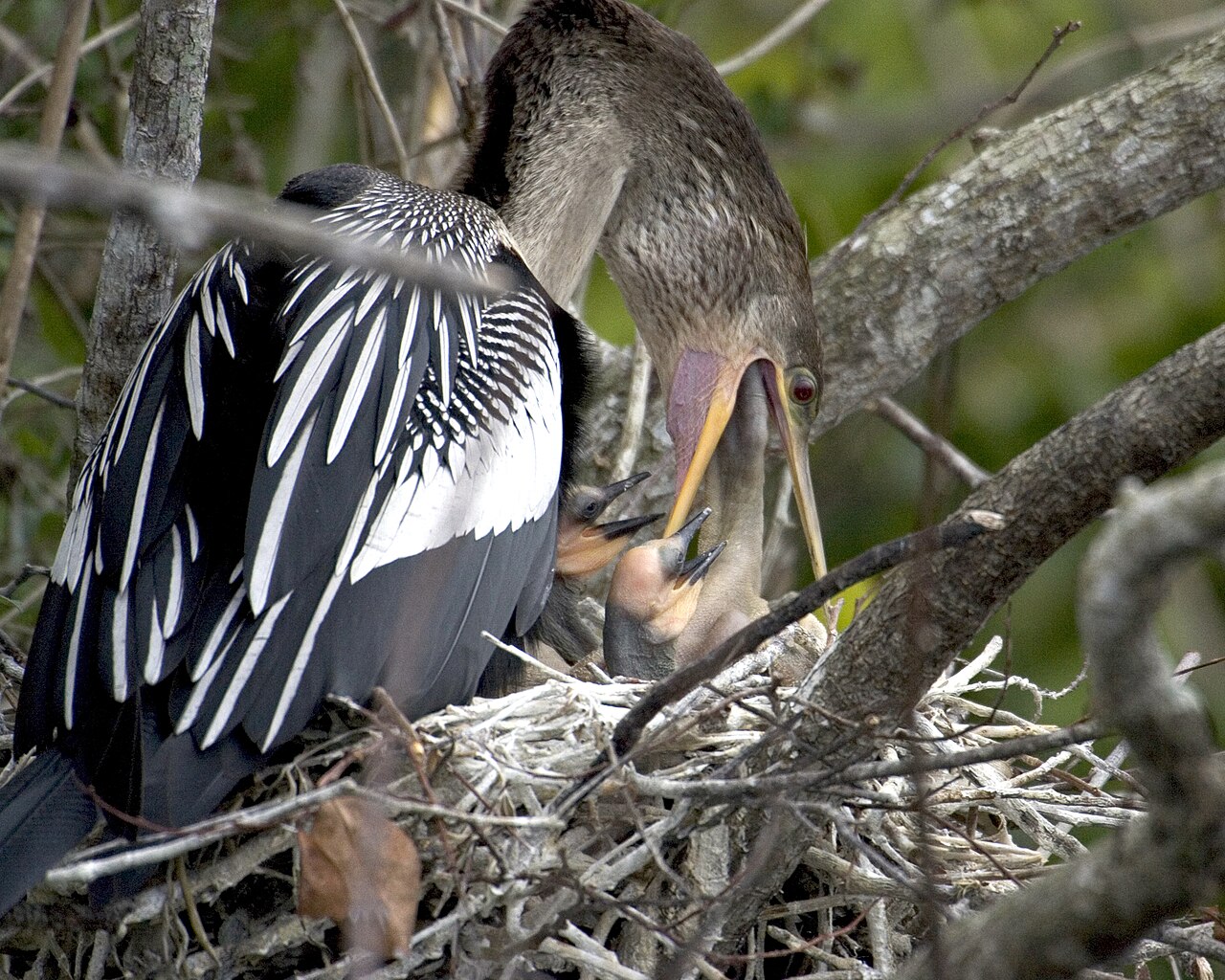
The timing of your trip significantly impacts what you will see in the wild areas surrounding the city. The dry winter months are renowned for wildlife viewing in the nearby wetlands. As water levels recede, animals like alligators, herons, and egrets congregate around the remaining deep-water holes, making them much easier to spot along scenic boardwalks. This is also the time when migratory birds from the north arrive, filling the skies and mangroves with diverse species.
In contrast, the summer months bring a different kind of natural beauty. The lush vegetation is at its peak, and the sea turtles begin their nesting season along the Atlantic coast. Watching the sunrise on the beach during these months offers a chance to see the protected nesting sites marked by conservationists. Regardless of the season, the coastal ecosystem is a constant draw, but those specifically interested in the unique fauna of South Florida will find the cooler, drier months to be the most rewarding for nature photography and guided eco-tours.
More ways to book Miami
 Illustrative · Giuseppe Milo
Vizcaya Museum Gardens
One of the classic ways to experience Miami.
Varies (estimate)
Partner link · Viator