
Glamping on Martha's Vineyard offers a unique way to experience the island's natural beauty without sacrificing the comforts of a traditional hotel. This growing trend allows travelers to fall asleep to the sound of the Atlantic breeze and wake up surrounded by coastal oaks and pines. Whether you are looking for a platform tent with linens or a more refined cabin experience, the island provides a stunning backdrop for an elevated outdoor retreat.
What Glamping Looks Like on the Island
Glamping on Martha's Vineyard typically takes the form of well-appointed safari-style tents or cozy, modernized cabins nestled in the woods. Unlike traditional camping, where you might be hauling gear and sleeping on the ground, glamping setups usually include comfortable mattresses, high-quality linens, and often some form of electricity or lighting. It is designed for those who want to be close to natureâhearing the crickets at night and the birds at dawnâbut still want a good night's sleep and a touch of aesthetic charm.
These sites are often located in the 'up-island' regions like West Tisbury or tucked away in the wooded areas near Vineyard Haven and Oak Bluffs. The focus is on creating a serene, low-impact environment that respects the island's delicate ecology. Many sites emphasize sustainability, using solar power or reclaimed materials. While you won't find the density of glamping resorts here that you might in the American West, the few options available are highly sought after for their privacy and proximity to the island's extensive trail systems.
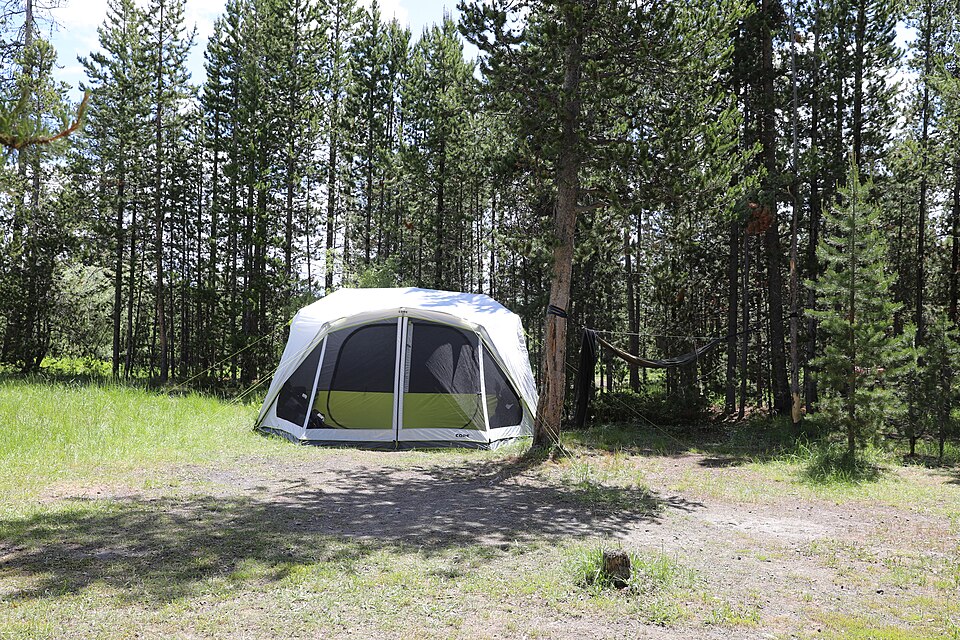
Glamping vs. Traditional Camping
The primary difference between glamping and traditional camping on the Vineyard is the level of preparation required. Traditional camping is quite limited on the island, with only a few designated areas like the family campground near the Manuel F. Correllus State Forest. For traditional camping, you must bring all your own equipment, and amenities are basic. In contrast, glamping is a 'turn-key' experience. You arrive to a fully set up space, allowing you to maximize your vacation time exploring the beaches rather than pitching a tent.
Furthermore, glamping provides a middle ground for families or couples who may have different comfort levels with the outdoors. It offers the adventure of a campfire and starlit nights with the reliability of a solid roof and a comfortable bed. Because the island's weather can be unpredictableâwith sudden fog or evening chillsâthe added protection and insulation of a glamping structure can make a significant difference in your overall comfort compared to a standard nylon tent. It is a more refined way to enjoy the rugged coastal environment of Massachusetts.
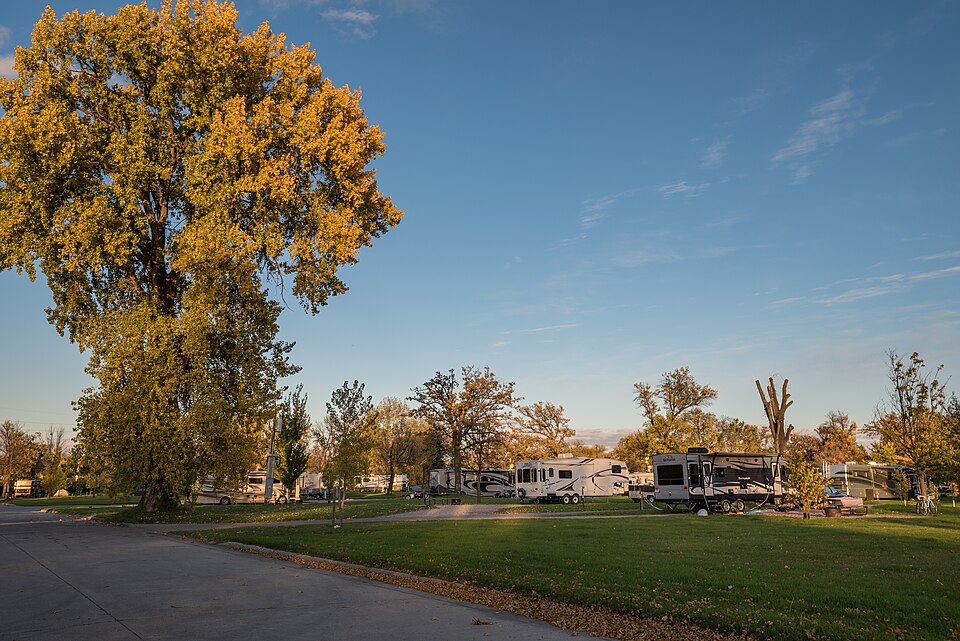
The RV and Van Life Perspective
It is important to note that Martha's Vineyard is not a traditional destination for RVers or 'van life' enthusiasts in the way that mainland national parks might be. The island has very strict regulations regarding overnight parking and vehicle size on the ferries. Bringing a large RV across on the Steamship Authority is expensive and requires booking well in advance, often a year out for peak dates. Once on the island, there are very few places that offer full hookups or allow for overnight stays in a vehicle.
For those who enjoy the mobile lifestyle, glamping serves as a practical alternative. It provides that same sense of 'living in the landscape' without the logistical headaches of navigating narrow, historic streets in a large rig. If you are determined to travel by RV, your best bet is to stay at a campground on the Cape Cod mainland near Woods Hole or Hyannis and take the ferry over as a foot passenger for day trips. Glamping, therefore, remains the premier way to experience 'boutique' outdoor living directly on the island itself.
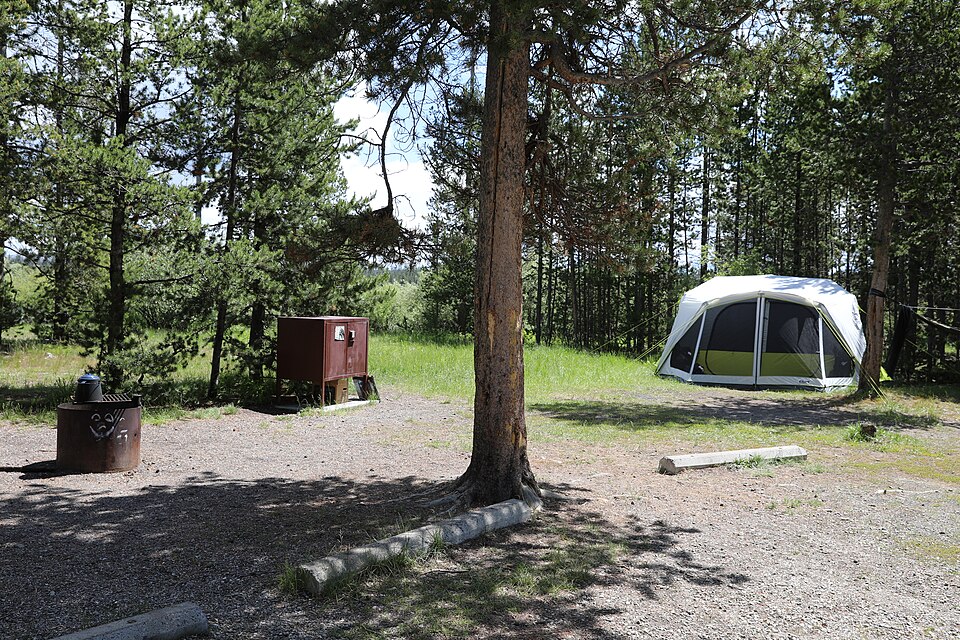
Best Areas for an Outdoor Stay
When looking for an outdoor-centric stay, the central and western parts of the island are ideal. The area around West Tisbury offers a more agricultural and forested feel, providing a sense of seclusion that is hard to find in the busy harbor towns. Here, you are close to the Polly Hill Arboretum and the Long Point Wildlife Refuge, making it a perfect base for hikers and nature photographers. The sounds of the ocean are replaced by the rustle of leaves and the distant calls of farm animals, offering a truly pastoral escape.
Another great area is the vicinity of the Manuel F. Correllus State Forest. With its central location, you have easy access to over 5,000 acres of land and a network of paved and dirt paths. Staying in this region allows you to be equidistant from the beaches of the south shore and the shops of the north shore. While you won't find 'glamping' directly inside the state forest, the surrounding private lands and established campsites often provide the best opportunities for high-end outdoor accommodations that feel connected to the island's wild interior.
Seasonal Considerations and Booking
Glamping on Martha's Vineyard is strictly a seasonal activity. Most sites operate from late May through September, mirroring the island's warmest months. Given the limited number of luxury outdoor sites, availability is often very tight. It is common for these spots to be fully booked months before the season begins, especially for weekends in July and August. If you are looking for a quieter experience with a better chance of securing a spot, consider the 'shoulder' weeks in early June or late September when the air is crisp but the summer crowds have thinned.
We recommend checking the official Marthaâs Vineyard Chamber of Commerce website or specific local campsite portals for the most up-to-date listings and reservation policies. Always be prepared for the maritime climate; even in a luxury tent, evenings can be damp and cool, so packing layers is essential. As with all travel to the island, ensure your ferry transportation is coordinated with your glamping check-in times. By choosing this style of accommodation, you are choosing a more intimate connection with the Vineyardâs landscape, creating memories that a standard hotel room simply cannot replicate.