
Mammoth Cave glamping is a way to pair underground exploration with evenings outdoors, without necessarily bringing a full campsite's worth of gear. In the surrounding Kentucky gateway area, your search may include furnished tents, yurts, small cabins, and other outdoor-oriented rentals, depending on current availability. Focus less on the listing label and more on the essentials: weather protection, bathroom access, bedding, and the actual drive to your cave tour.
What Glamping Looks Like Around Mammoth Cave
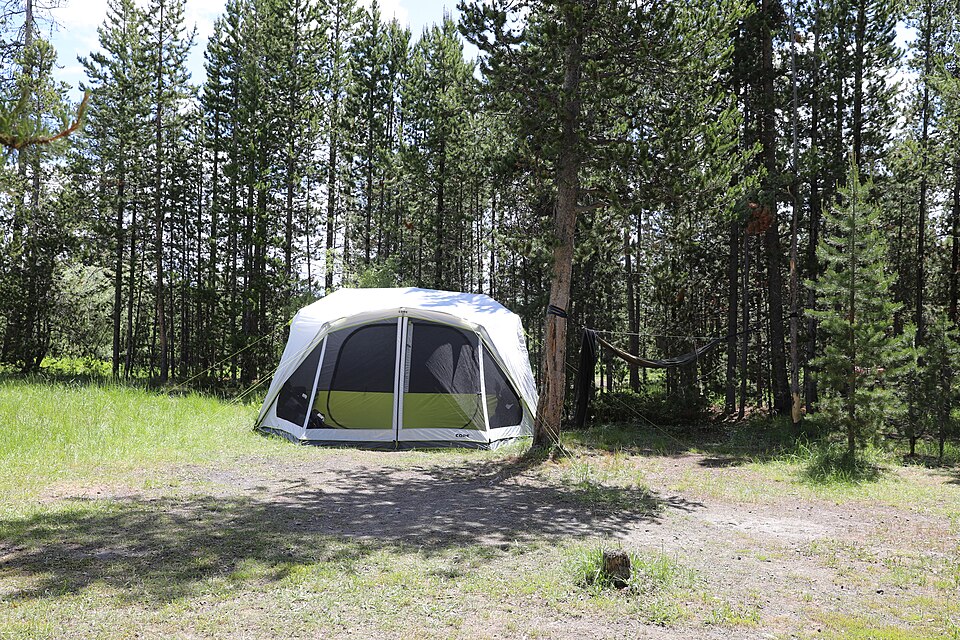
Around Mammoth Cave, glamping is best understood as a style of stay rather than a standardized accommodation category. A listing might describe a furnished canvas tent, a yurt, or a compact cabin with an outdoor seating area. Do not assume that a real bed also means private plumbing, air-conditioning, or a kitchen.
Compare the details that will shape your weekend: screened openings, heating or cooling, bathroom location, potable water, cooking equipment, and bedding. Ask whether the unit is weatherproof or simply sheltered, and whether you can park nearby. Listings outside the park are separate from park campgrounds and cave reservations. Confirm the address and actual route to the visitor center before booking.
Where to Look: Cave City, Park City, and Bowling Green
Start your search around Cave City and Park City if minimizing the drive to Mammoth Cave is a priority. Both are established gateway communities, but the town named in a listing may cover a broad surrounding area. A rural stay can feel secluded while still requiring a longer trip for groceries or your morning tour.
Bowling Green is another useful search area if you want a larger city base and are comfortable with additional driving to the park. Compare locations using the actual tour meeting point, not just the park boundary. Check whether your route depends on a ferry or smaller roads. No accommodation style is guaranteed in a particular town, so verify current listings directly.
Choose a Season That Fits Your Comfort Level
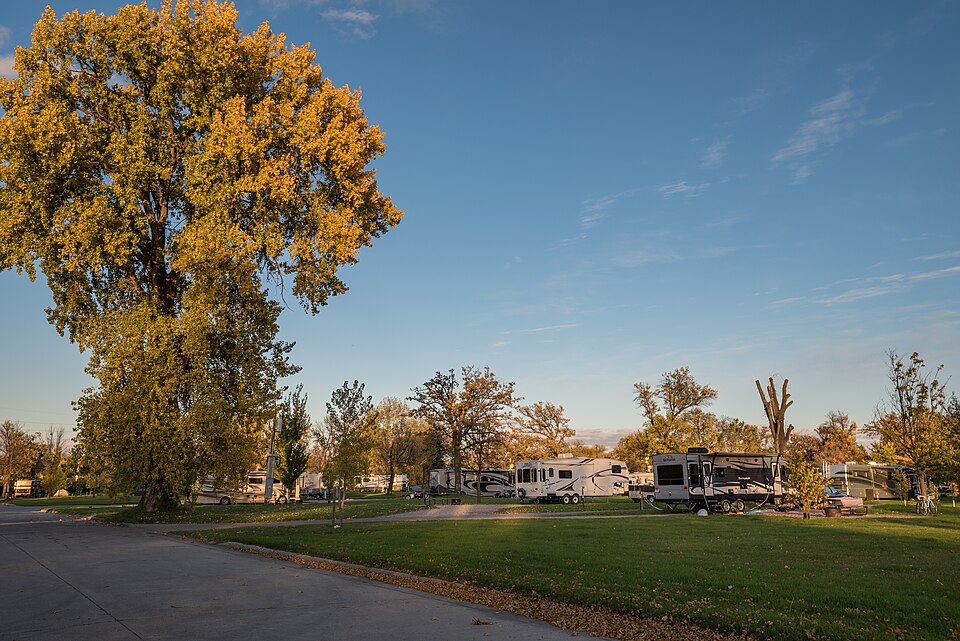
Spring and fall are appealing for outdoor meals and evenings around camp, with April through June and September through November worth considering. Conditions still vary widely: spring can be wet, early fall can be hot, and late fall nights can be cold. A tent-style stay requires closer attention to the forecast than a fully enclosed, climate-controlled cabin.
Summer brings long evenings but also heat, humidity, and insects. Confirm cooling and ventilation rather than assuming a furnished unit will stay comfortable. For winter, verify insulation, dependable heating, and whether bathrooms and water systems remain available. Fire pits are a bonus, not a promise; check property rules and current fire restrictions before planning a campfire.
Where to sleep
Harvest Hosts stays on the way to Mammoth Cave National Park
Partner link · Harvest Hosts
What to Pack for Cave Days and Outdoor Nights
Bring layers for two different environments: cool cave passages and variable weather above ground. A light fleece or jacket, rain shell, and sturdy walking shoes are useful even during a summer stay. Add a flashlight or headlamp for moving around your accommodation after dark, but follow the park's lighting and equipment rules during cave tours.
For the lodging itself, check the inventory before packing towels, bedding, cookware, or a cooler. Insect repellent and sun protection are useful for surface activities. Keep food secured according to property guidance, and do not leave scraps outside. Ask about drinking water and device charging. Buy firewood locally where permitted rather than transporting it from home.
Glamping vs. Tent Camping vs. an RV Stay
Glamping can reduce setup work and the amount of equipment you bring, but the price and amenities vary considerably. Treat nightly rates and added fees as estimates until you review the booking terms. A furnished stay is not automatically cheaper than a hotel, especially after cleaning charges or minimum-stay requirements.
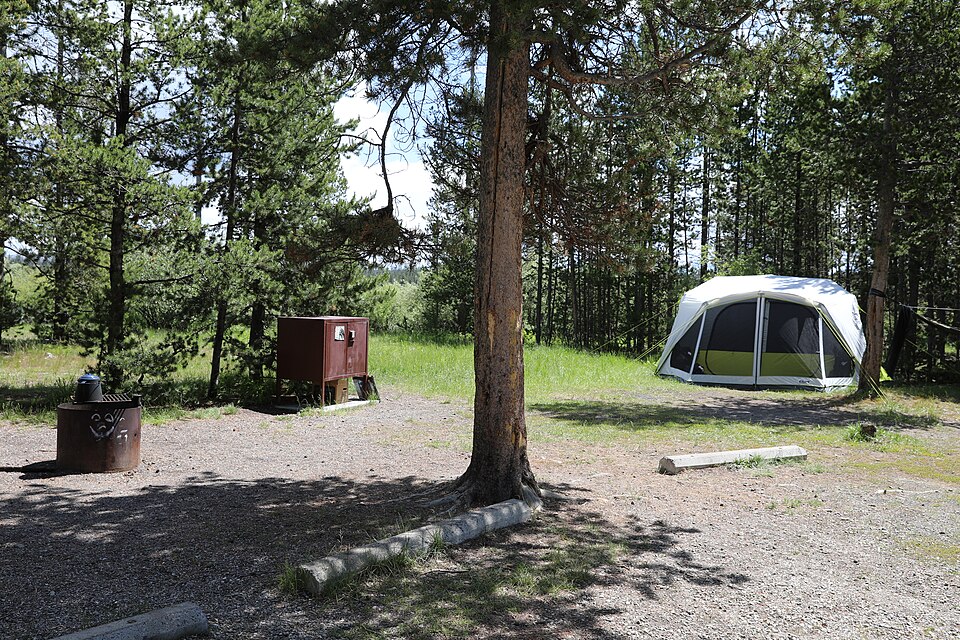
Tent camping offers more control over your setup but requires suitable gear and more attention to rain and temperature. An RV provides a familiar sleeping space, though hookups, vehicle size limits, and site access still need checking. Compare the total trip cost, bathroom arrangements, and drive to the park. Check the official Mammoth Cave National Park website for campground reservations, current conditions, and cave tour booking information.