
For those who want to immerse themselves in the rugged beauty of Northwestern Connecticut without sacrificing comfort, Litchfield Hills glamping offers the perfect middle ground. The region's rolling terrain, dense hardwood forests, and winding river banks provide an ideal setting for elevated camping experiences. Instead of pitching a tent and sleeping on the ground, visitors can find high-end canvas tents, restored vintage trailers, and rustic-chic cabins that bring the comforts of home to the great outdoors.
The Glamping Experience in CT
Glamping in the Litchfield Hills is less about "roughing it" and more about "dwelling in" nature. Most glamping sites in the area provide comfortable queen or king-sized beds with high-quality linens, stylish furniture, and often a private deck for morning coffee. You might find amenities such as wood-burning stoves for cool nights, solar-powered lighting, and even en-suite or nearby private bathrooms with hot showers. The goal is to provide a seamless connection to the environment, allowing you to hear the rustle of the leaves and the sound of the Housatonic River without the typical hassles of traditional camping.
Many of these sites are located on private land or within specialized campgrounds near the gateway cities of Kent, Cornwall, and Litchfield. Because the region values its quiet, pastoral character, glamping sites are often spaced far apart to ensure privacy and a sense of seclusion. This makes it an excellent choice for couples seeking a romantic getaway or families who want a nature-focused vacation with a safety net of modern conveniences. The atmosphere is generally relaxed and focused on unplugging from the digital world.
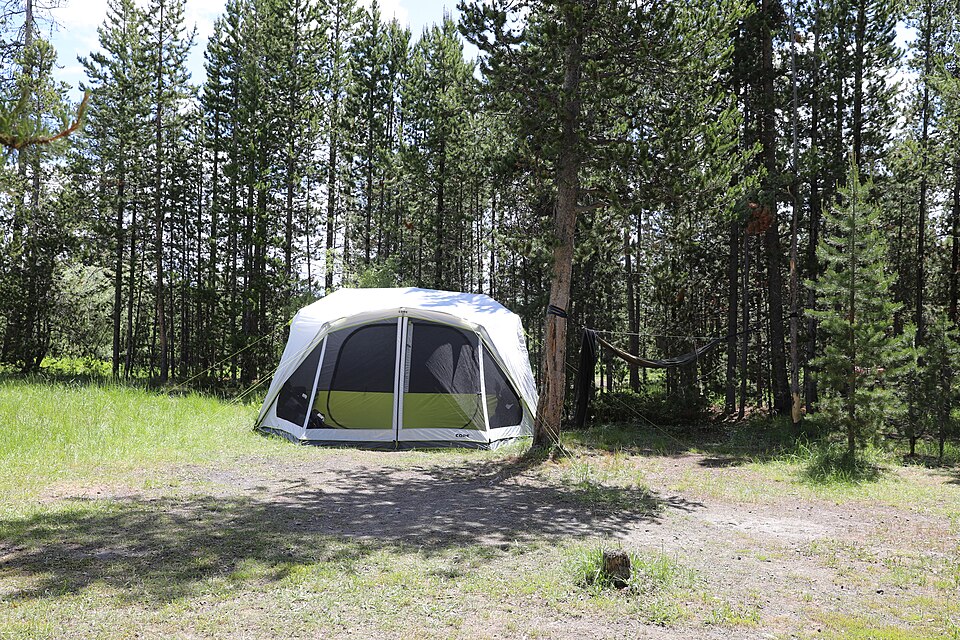
Where to Go: Gateway Towns and Areas
The areas surrounding the towns of Kent and Cornwall are hotspots for glamping due to their proximity to the Housatonic River and the Appalachian Trail. In these locations, you are likely to find safari-style tents perched on wooden platforms overlooking the river valley. Staying near Kent gives you easy access to the town’s galleries and cafes during the day while retreating to a quiet forest setting at night. Cornwall offers a more secluded feel, with sites often tucked away in hemlock groves near the iconic covered bridge.
Further east, the area around Litchfield and Bantam offers glamping opportunities closer to the larger lakes and conservation centers. Here, you might find more farm-stay glamping experiences, where luxury tents are set up on the edge of active agricultural land, providing a unique look at the region's farming heritage. These locations are ideal for those who want to combine their outdoor stay with visits to local vineyards and craft breweries. Always check the official park or booking site for the specific location and access requirements for each site.
Seasonality and What to Pack
The primary glamping season in the Litchfield Hills runs from late May through mid-October. While some hard-sided cabins may be available year-round, the canvas tent experiences are strictly seasonal. June through August offers the warmest weather, perfect for late-night stargazing and sitting around a campfire. However, many visitors find that September and October are the prime months for glamping, as the cooler air makes a cozy bed and a heavy duvet even more inviting, and the changing leaves provide a spectacular natural canopy.
Even with luxury amenities, you should pack for the outdoors. Evenings in the hills can be 10 to 15 degrees cooler than the daytime highs, so fleece layers and wool socks are essential. Sturdy boots are a must if your glamping site requires a short walk from a parking area. Don't forget bug spray for the summer months and a good headlamp or flashlight for navigating the site after dark. Most glamping hosts provide basic cooking supplies, but bringing your own reusable water bottles and favorite campfire snacks is always a good idea.
Glamping vs. Camping vs. RVing
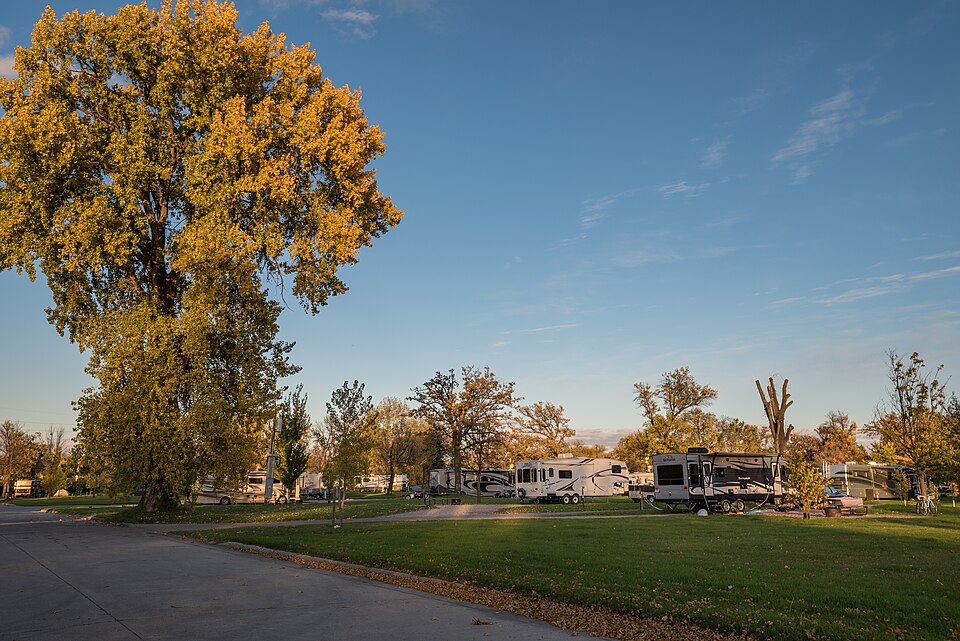
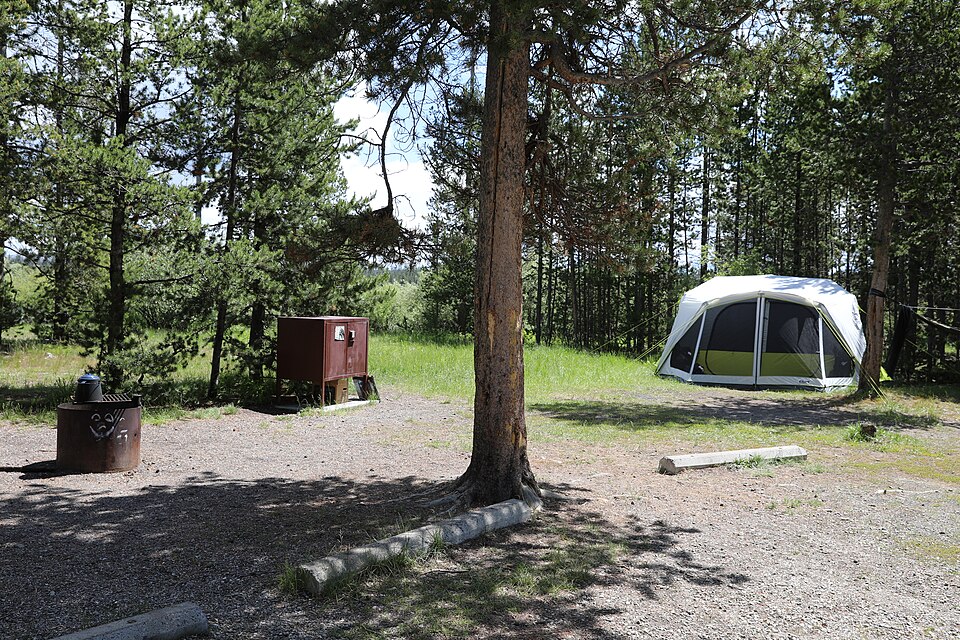
Choosing between glamping, traditional camping, and RVing in the Litchfield Hills depends on your desired level of autonomy and comfort. Traditional camping is widely available in state parks like Housatonic Meadows or Lake Waramaug, offering a low-cost, back-to-basics experience. This is best for those who enjoy the ritual of setting up their own gear and don't mind shared facilities. RVing is a popular choice for those traveling with their own mobile home, though the winding, narrow roads of the hills can be challenging for very large rigs. There are several dedicated RV parks with hookups, but they often lack the secluded, wooded feel of glamping sites.
Glamping sits at the top of the price and comfort spectrum. It removes the need to own or transport expensive camping gear, making it an excellent option for those flying into Bradley International Airport. While a campsite might cost a small daily fee, a glamping stay will be closer to the cost of a boutique hotel. The trade-off is the unique architectural experience and the ability to fall asleep in a real bed while still being just a canvas wall away from the Connecticut wilderness.
Permits, Reservations, and Costs
Unlike traditional backcountry camping, glamping does not usually require you to obtain your own wilderness permits, as the site owners handle the land-use requirements. However, because glamping is highly popular and sites are limited, reservations are absolutely necessary, often six months in advance for peak fall foliage weekends. The average daily budget for a glamping trip in the Litchfield Hills reflects the premium nature of the accommodations, with nightly rates often starting around the price of a high-end hotel room. Factors like weekend stays and peak seasons will influence the final cost.
When booking, always check the official site for details on what is included, as some sites are "off-grid" and may not have electricity or Wi-Fi. This is part of the appeal for many, but it's important to know what to expect before you arrive. If your glamping site is located within or adjacent to a state park, be aware that you may still need to pay standard park entry or parking fees if you plan to use the park's trails or boat launches. Checking the official Connecticut state park website will help you navigate these minor logistical details.