
For those who want to immerse themselves in the rugged beauty of the Central Colorado Rockies without sacrificing the comforts of home, Leadville glamping is the perfect solution. Imagine waking up at 10,000 feet to the smell of pine needles and the sight of snow-capped peaks, all while tucked into a comfortable bed with high-quality linens. This style of travel allows you to connect with the wilderness surrounding North America's highest city while enjoying the amenities that turn a standard camping trip into a luxury retreat.
What to Expect from High-Altitude Glamping
Glamping near Leadville typically involves staying in heavy-duty canvas wall tents, yurts, or specialized small cabins. Unlike traditional camping, these accommodations often feature real mattresses, decorative rugs, and sometimes even small wood-burning stoves to keep the mountain chill at bay. Because Leadville's temperatures can drop below freezing even in August, these elevated shelters provide a much-needed layer of insulation and comfort.
Most glamping sites in the area focus on a "close to nature" experience, meaning you may still be using shared, high-end bathhouses rather than private ensuite bathrooms. The appeal lies in the locationâmany sites are situated on the edge of the San Isabel National Forest, offering direct access to hiking trails and stunning views of the Sawatch Range. You should expect a quiet, star-filled night far from the light pollution of larger cities, accompanied by the sounds of the wind through the aspen trees. It is a sophisticated way to experience the high country that bridges the gap between a rustic lodge and a primitive tent site.
Popular Glamping Areas Near Leadville
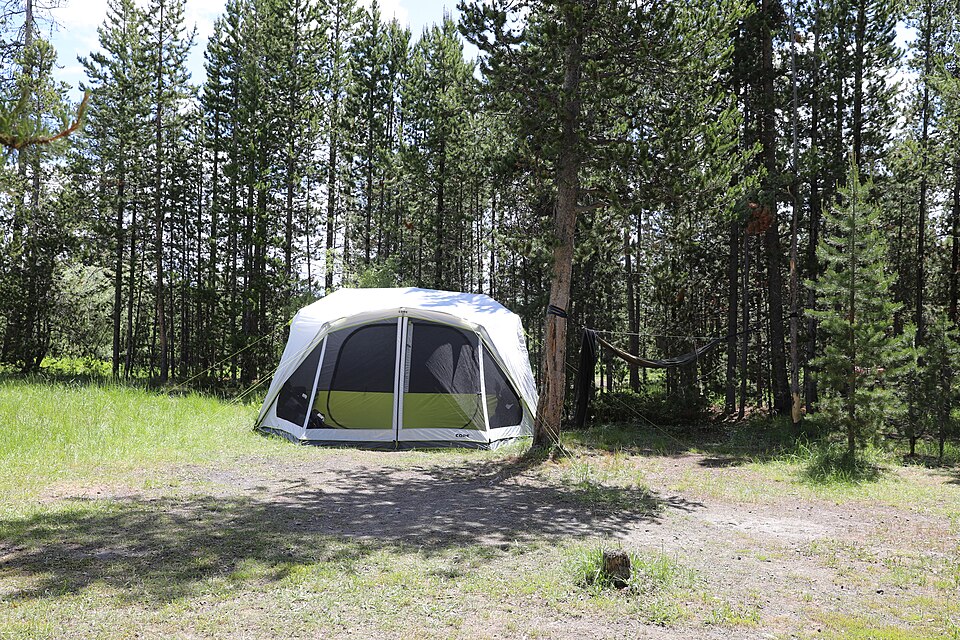
The areas surrounding Leadville offer diverse landscapes for a glamping stay. To the west, near Turquoise Lake, you can find sites nestled in thick evergreen forests, providing privacy and easy access to water activities. This area is ideal for those who want to spend their days fishing or boating before returning to a cozy, well-appointed tent. To the south, the Twin Lakes area offers some of the most dramatic views in the state. Glamping here places you at the base of the massive peaks of the Continental Divide.
Some gateway areas near Buena Vista or the Arkansas River Valley also offer glamping options that are a bit lower in elevation, which can be helpful if you are concerned about sleeping at 10,000 feet. These sites often provide a slightly warmer climate and are close to white-water rafting and hot springs. Regardless of which direction you choose, you will be within a short drive of Leadvilleâs historic downtown, allowing you to enjoy a gourmet dinner in town before retreating to your secluded mountain sanctuary. Always check for specific site amenities like fire pits and outdoor seating to maximize your relaxation.
The Glamping Season and Weather
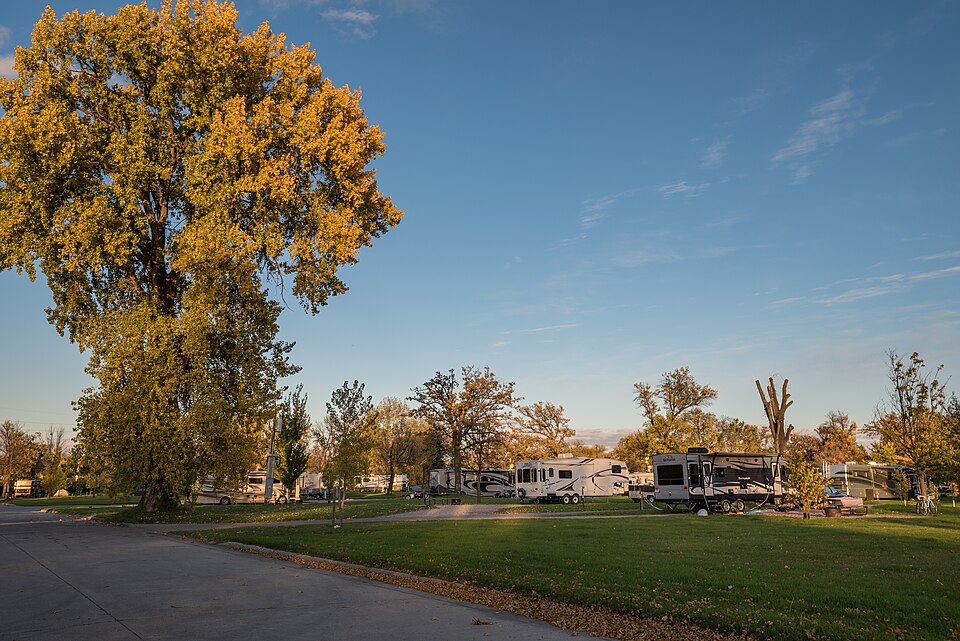
The primary season for glamping in Leadville is relatively short due to the long winters. Most sites operate from late May or early June through September. During this window, the weather is generally pleasant during the day, but visitors must be prepared for the dramatic temperature swings characteristic of the high Rockies. A sunny 70-degree afternoon can quickly turn into a 35-degree night.
Many glamping providers include heavy wool blankets or down comforters, but it is always wise to bring warm pajamas and layers. July and August bring the monsoon season, where afternoon thunderstorms are common. A sturdy glamping tent provides an excellent vantage point to watch the clouds roll over the mountains while staying dry. If you are planning a late-season stay in September, you will be rewarded with the spectacular sight of the changing aspen leaves, but you should be prepared for the possibility of an early autumn dusting of snow. Checking the forecast on the official National Weather Service site is essential, as mountain weather can change in a matter of minutes.
Comparing Glamping, Camping, and RVs
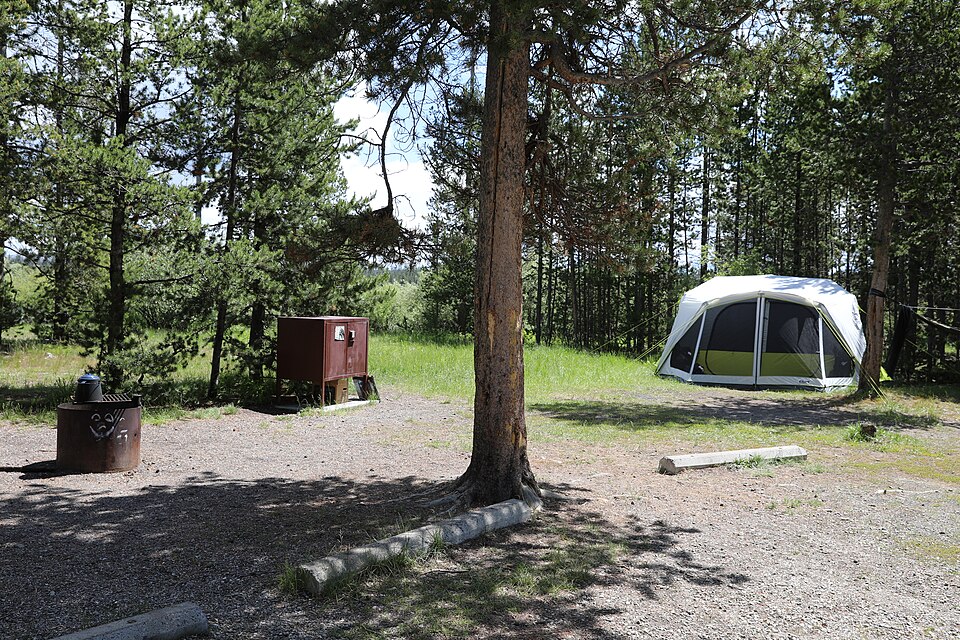
Choosing between glamping, traditional camping, and RVing in Leadville depends on your desired level of effort and comfort. Traditional camping in the National Forest campgrounds around Turquoise Lake is affordable and provides a deep connection to the outdoors, but it requires bringing all your own gear and sleeping on the ground. RVing is a popular middle ground, offering a mobile home with a kitchen and bathroom, though navigating the steep mountain passes and finding available hookups can be a challenge during peak season.
Glamping removes the logistical headache of hauling gear and setting up camp. It is the best choice for travelers flying into Eagle County Regional Airport who donât want to pack a car full of tents and sleeping bags. You get the aesthetic and sensory experience of campingâthe fresh air, the campfire, the proximity to trailsâwithout the physical toll. It is particularly popular for romantic getaways or for those who want to celebrate a special occasion in a memorable, scenic setting. While glamping is generally the most expensive of the three options, the convenience and luxury often justify the cost for a short, high-impact vacation.
Planning Your Stay and Reservations
Because glamping is a niche and highly sought-after experience in the Colorado mountains, sites tend to book up very quickly. It is recommended to make your reservations at least four to six months in advance, especially for weekends in July and August. When booking, pay close attention to the specific location and what is included. Some sites might provide a camp kitchen with basic supplies, while others expect you to bring your own cooking equipment or dine in nearby Leadville.
Also, consider the elevation of your specific site. If you are not used to high altitudes, a glamping site at a slightly lower elevation near Buena Vista might help you sleep better for the first night or two. Be sure to check the site's policy on pets and children, as some glamping retreats are designed specifically for quiet, adult-only experiences. Finally, always consult the official San Isabel National Forest website for information on fire bans. The high-altitude forest can be very dry, and if a fire ban is in place, you may not be able to use the outdoor fire pits that are central to the glamping experience.