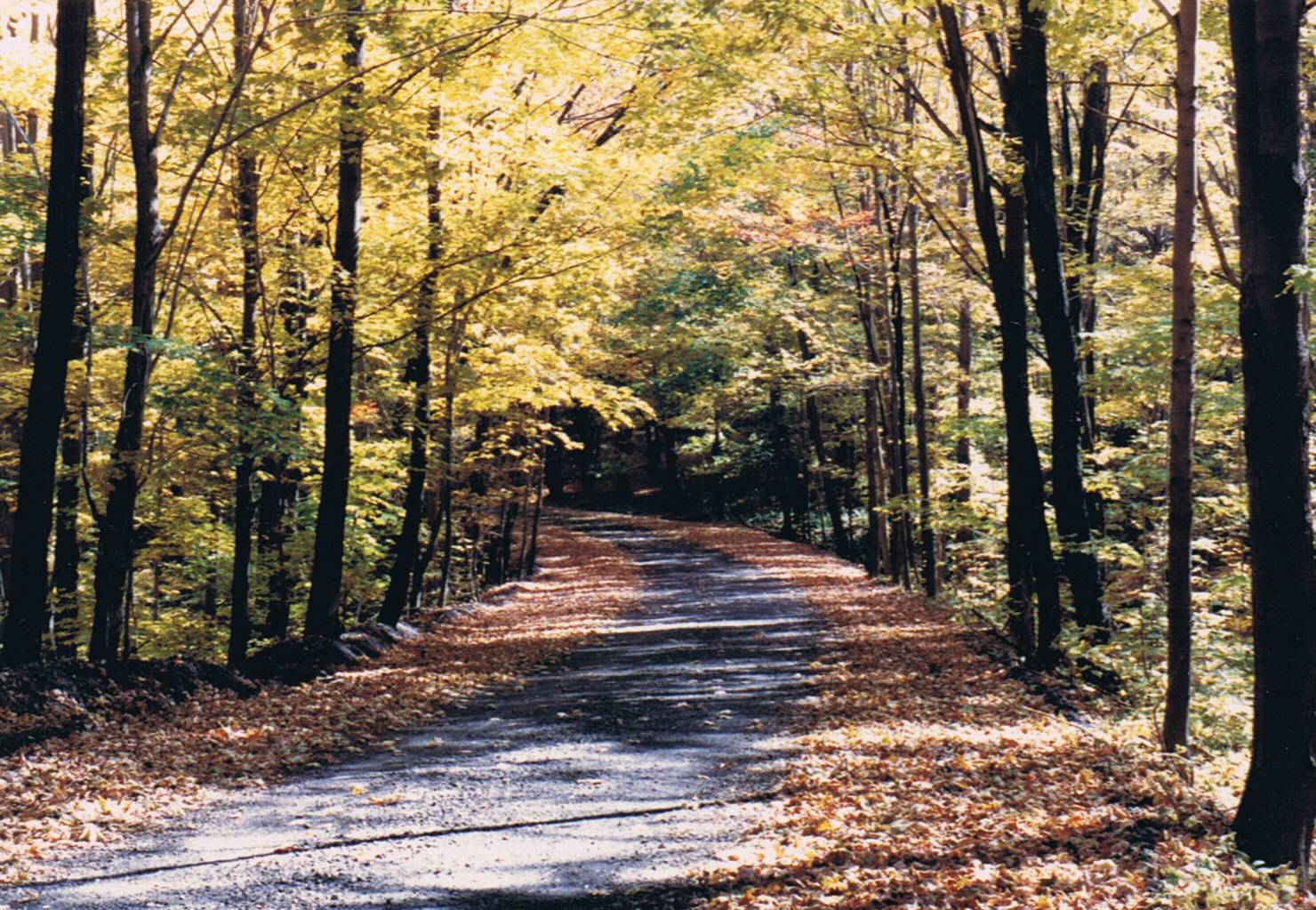
Laurel Highlands glamping is less about one standard type of accommodation and more about choosing how much outdoor living you want with your mountain trip. A furnished tent, a small cabin, or another ready-to-use rental can put you near hiking and river scenery, but amenities vary widely, so judge each listing by its bathroom, heating, cooking, and access details rather than its label.
What Glamping Looks Like in the Laurel Highlands
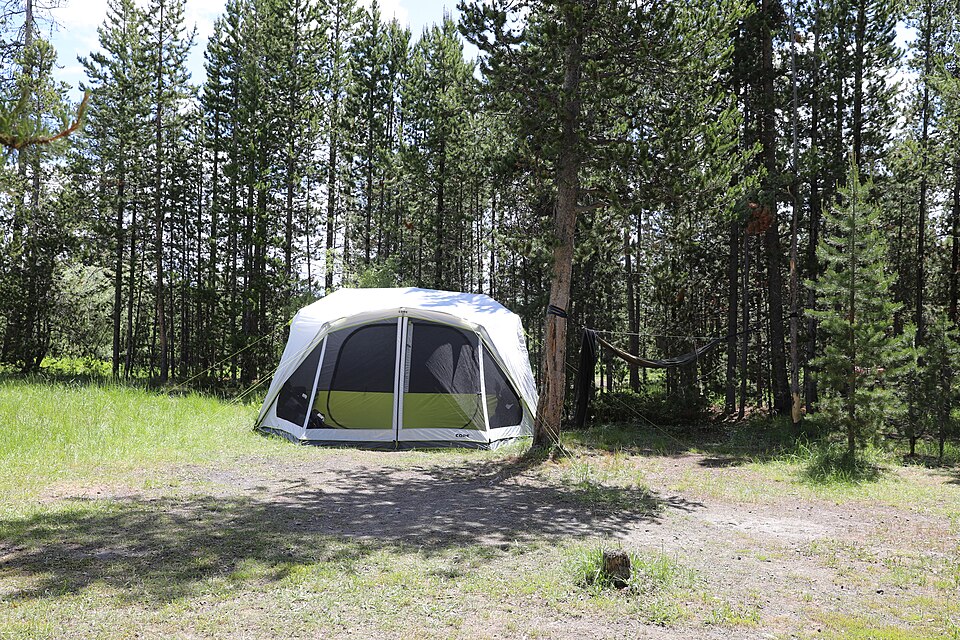
In this wooded, four-season region, a comfortable outdoor stay might mean a furnished canvas tent, a compact cabin, or a distinctive rental on private land. Those categories are not interchangeable. A tent with a real bed may still use a shared bathhouse, while a cabin may have indoor plumbing but require you to bring linens. Photographs alone rarely answer the practical questions that shape your stay.
Before booking, confirm the exact sleeping arrangement, bathroom location, hot-water availability, electricity, and temperature control. Ask whether cooking happens in an indoor kitchen, on an outdoor grill, or at a shared station. Check what is included for dishes, bedding, towels, and firewood. If an outdoor fire is part of the appeal, remember that local restrictions and weather can prevent one. Review the official park site for nearby recreation conditions, and read the property’s current rules rather than assuming a glamping label includes hotel-style service.
Choose an Area Around Your Main Activities
Ohiopyle and Farmington are useful search areas when your priorities are waterfalls, the Youghiogheny, and the Great Allegheny Passage. Mill Run can make sense for a trip that includes Fallingwater. Staying in this southern part of the Laurel Highlands helps reduce backtracking if most days center on Ohiopyle, but verify the actual driving route from each property rather than judging by its mailing address.
For lake trails and a more central mountain base, compare locations around Somerset, Donegal, and Laurel Hill State Park. Ligonier is worth considering if you want town access, history, and outings toward Laurel Summit or the Route 30 corridor. These are planning areas, not a promise that every accommodation style is available in every town. Look closely at whether the rental is isolated, beside other units, or near a road. Check grocery access and arrival directions, especially if you expect to reach a rural property after dark.
Match Your Stay to the Season
Late spring through early fall is the simplest window for a tent-style stay, though mountain nights can still feel cool and rainy periods can make outdoor cooking less appealing. Summer brings longer evenings and access to a broad range of outdoor activities, along with insects, humidity, and thunderstorms. Screens, ventilation, covered seating, and a dry place for shoes can matter more than decorative extras.
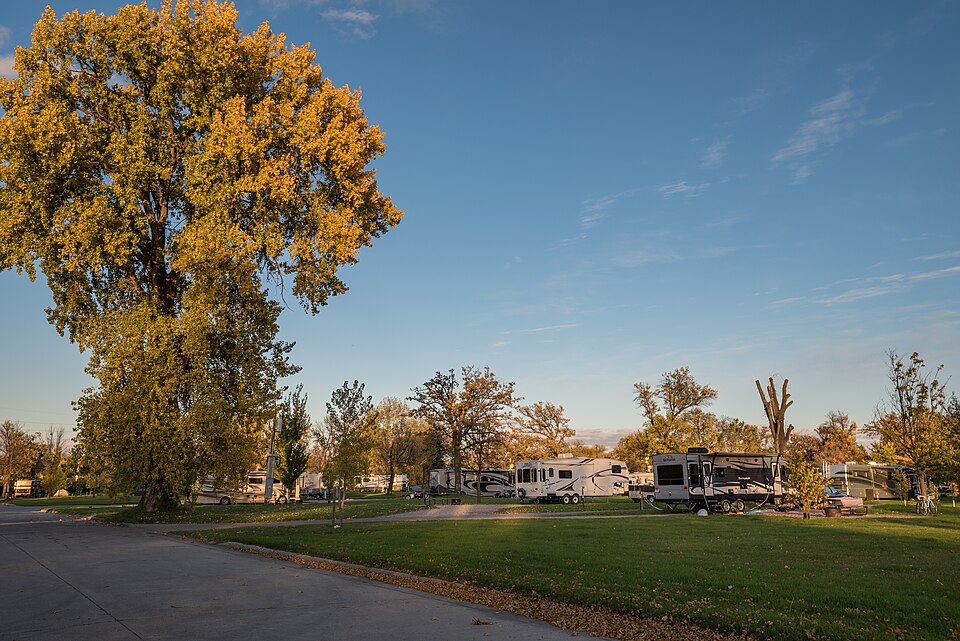
Fall is appealing for foliage drives and hiking, but confirm whether the unit has effective heat and whether its water service remains available for your dates. A heated cabin and an unheated canvas tent offer very different experiences on a cold night. Winter requires closer attention to insulation, road maintenance, and reliable plumbing; do not assume a listing operates year-round. Reserve early when your dates overlap popular summer or fall weekends. Check official park conditions before departure and ask the host about weather-related access and cancellation policies.
Glamping vs. Tent Camping vs. an RV
Glamping makes sense when you want to arrive with a small bag and spend more time exploring than setting up camp. You may gain a bed, lighting, and weather protection, but you can still face shared bathrooms, outdoor cooking, or limited privacy. Furnished stays generally cost more than basic tent sites; compare the full estimated total, including cleaning charges and any required extras, before deciding.
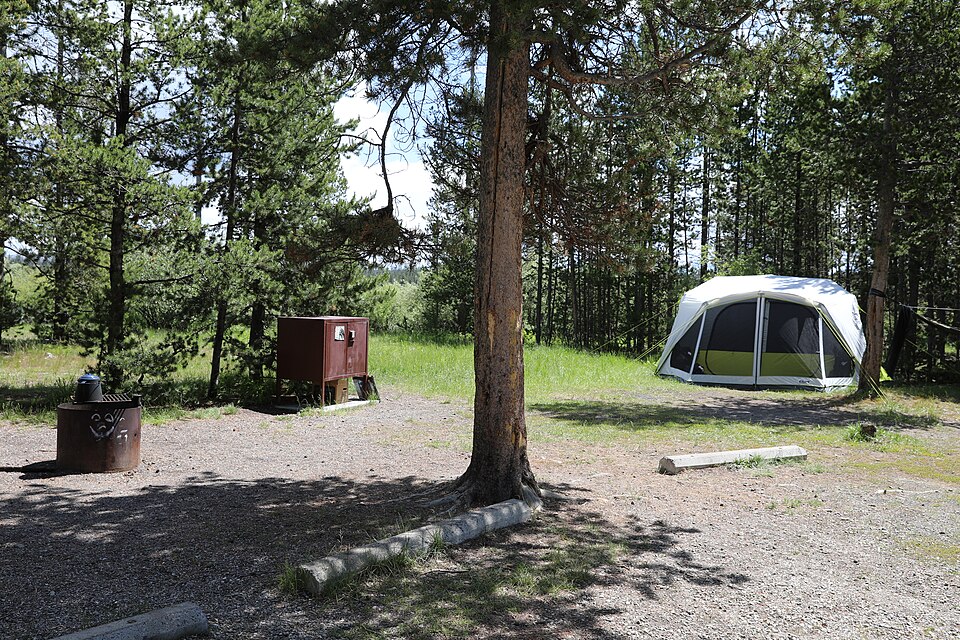
Tent camping offers a more equipment-dependent experience and often a lower lodging expense, especially when you already own suitable gear. State park campgrounds can provide a clear starting point, with reservations and facility details on official Pennsylvania park pages. An RV offers a familiar sleeping and cooking space, but introduces vehicle size, hookups, parking, and wastewater considerations. A rental RV also adds separate costs and logistics. For any option, confirm the specific site’s amenities and rules instead of assuming all campsites have electricity, water hookups, or nearby showers.
Pack for the Property, Not Just the Photos
Start with the host’s confirmed inventory, then pack the gaps: layers, rainwear, walking shoes, a headlamp, reusable water bottles, and toiletries. Bring food in secure containers and follow property or park instructions for storage and trash. A cooler may be necessary even in a furnished rental if there is no refrigerator. Do not transport firewood casually between areas; follow local guidance and use an approved nearby source when fires are permitted.
Check details that are easy to overlook, including steps to the entrance, the walking distance to bathrooms, parking beside the unit, pet restrictions, and whether bedding suits every sleeper. Ask about cell reception and internet if you need to stay connected, without assuming either is dependable. Download directions before arrival and save check-in instructions offline. Finally, plan one nearby outing rather than filling every hour: the value of a comfortable outdoor base is having time to enjoy the setting between hikes.