
Choosing the best time to visit Lake Travis involves balancing the legendary Texas heat with the vibrant energy of the Hill Country's favorite waterway. While the lake remains a year-round destination for scenic views, the shifting seasons dramatically change the atmosphere from a quiet, misty retreat to a bustling hub of summer activity. Understanding the nuances of Central Texas weather and water levels is essential for ensuring your trip aligns with your preferred pace and activities.
Spring: Wildflowers and Mild Weather
Spring is arguably the best time to visit Lake Travis, particularly between April and early June. During these months, the Texas Hill Country transforms into a lush landscape painted with bluebonnets, Indian paintbrushes, and other native wildflowers. The air temperatures are comfortably warm, typically hovering in the 70s and 80s, making it the ideal window for hiking the limestone bluffs or dining outdoors at waterfront spots without the intense humidity of late summer.
Water temperatures begin to rise in May, though the lake may still feel brisk for some swimmers early in the season. This is the peak time for photography and nature walks in the parks surrounding the reservoir. However, spring is also the most unpredictable season for Texas weather. Occasional thunderstorms can sweep through the basin quickly, so it is vital to keep an eye on the forecast. Because this is a popular window for visitors, you should check the official NPS or local park sites for boat ramp availability and trail status.
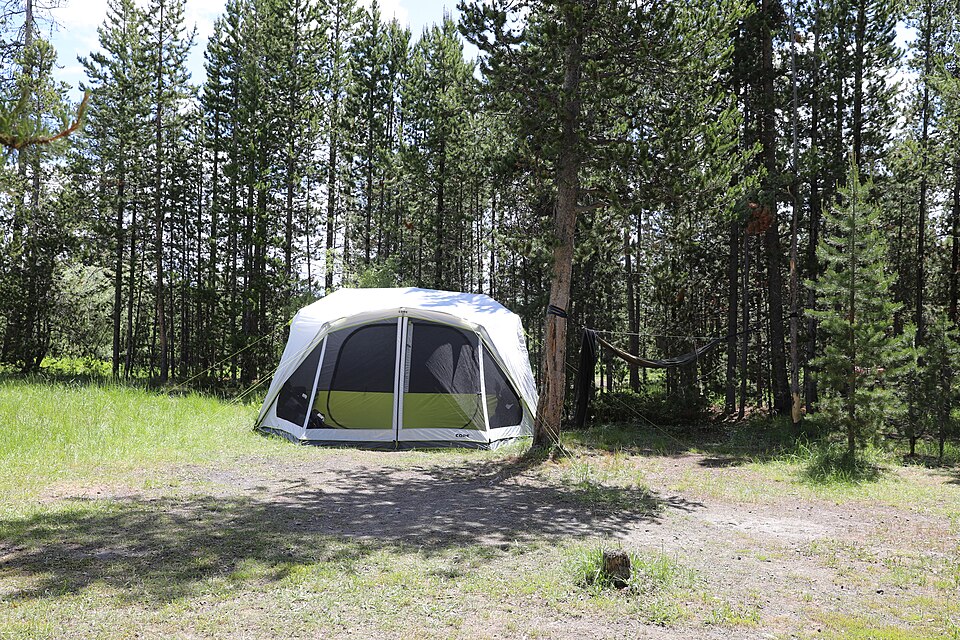
Summer: Peak Energy and Water Fun
July and August represent the peak season for Lake Travis, characterized by scorching temperatures that often exceed 100 degrees. While the heat can be intense, the cool, deep waters of the lake provide the perfect refuge. This is the most popular time for houseboating, jet skiing, and party barges. The lake is vibrant and social, with crowded marinas and plenty of activity in the coves. If you enjoy a lively atmosphere and don't mind the heat, summer offers the quintessential Texas lake experience.
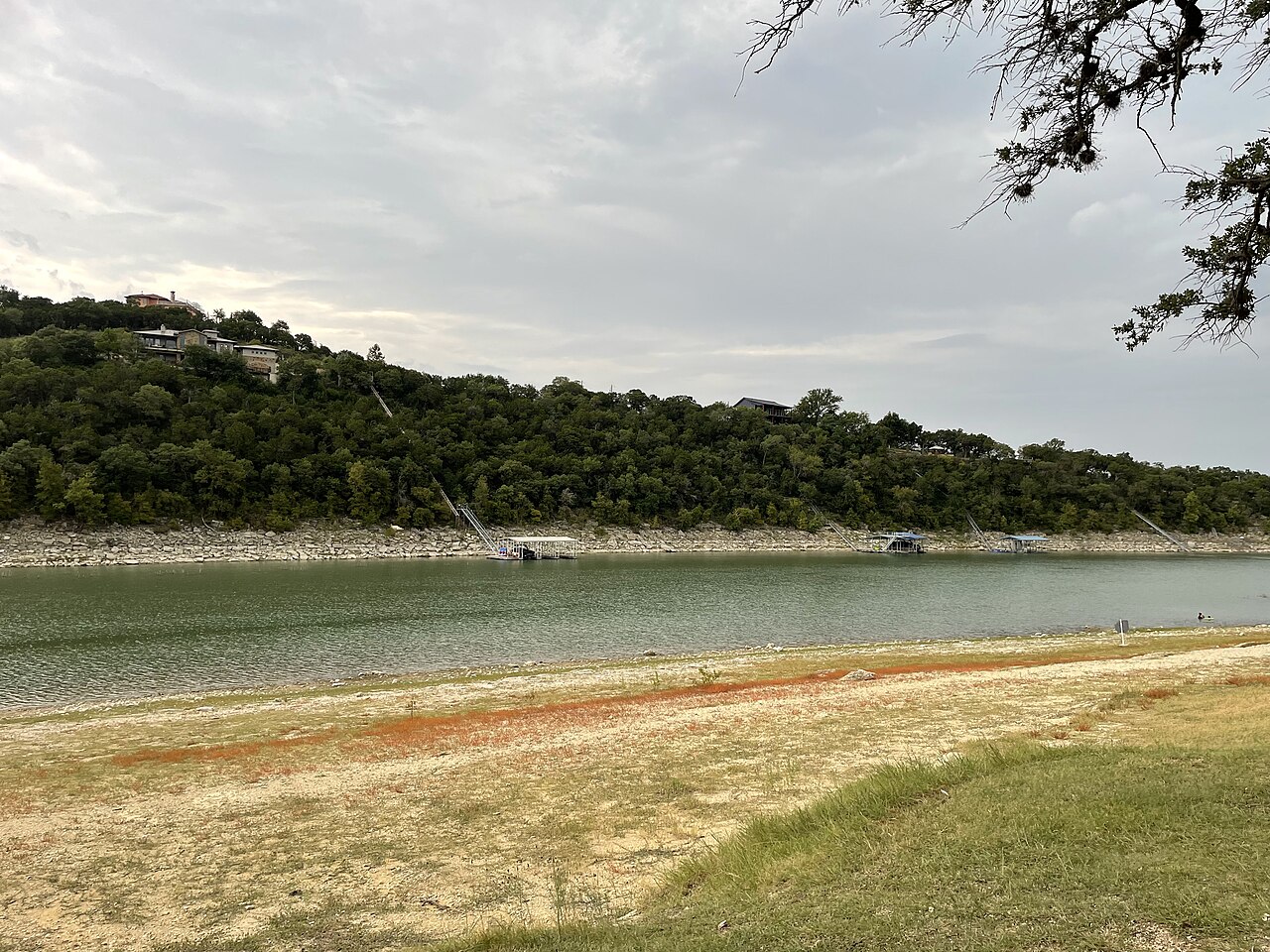
Due to the high demand, summer travel requires significant foresight. Boat rentals and accommodations in gateway cities like Lakeway or Lago Vista often book up months in advance. Keep in mind that summer is also when water levels can begin to drop if there has been a lack of rainfall. Before heading out, always verify current lake levels and ramp closures, as the limestone shoreline can become quite steep and rocky when the water recedes during the height of a dry Texas summer.
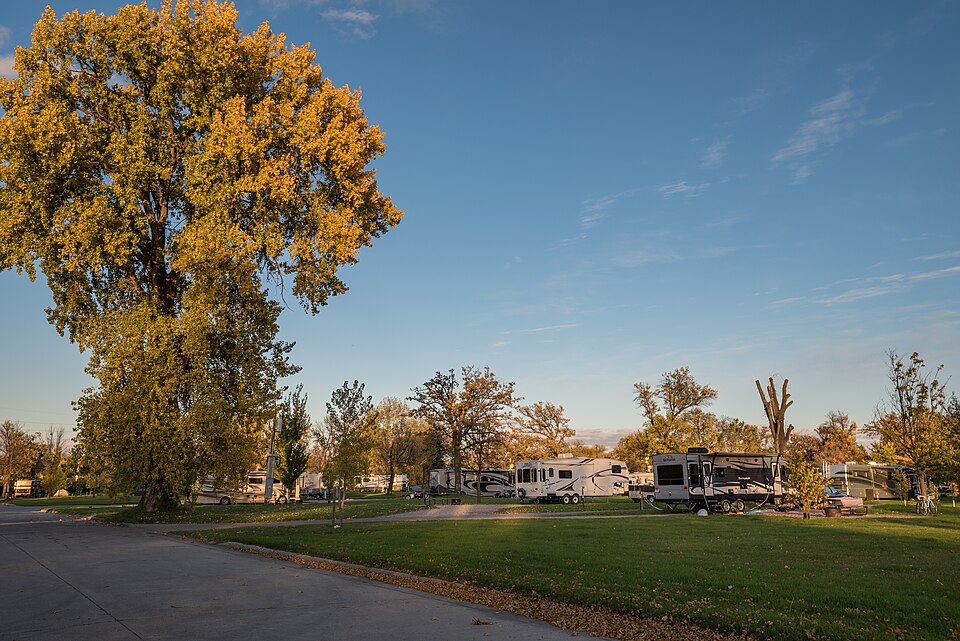
Fall: The Local Favorite Season
Many locals consider September and October to be the secret 'sweet spot' for visiting Lake Travis. As the oppressive heat of summer breaks, the air turns crisp and clear, but the water retains the warmth collected over the summer months. This makes for excellent swimming and paddleboarding well into October. The crowds thin significantly after Labor Day, offering a more peaceful experience for those looking to explore the winding shorelines and quiet inlets of the Hill Country.
Fall also brings a second bloom of wildflowers and the beginning of subtle color changes in the native oak and cypress trees. It is a fantastic time for camping and outdoor activities that might be too strenuous during the July sun. However, be aware that autumn in Texas can also bring heavy rainfall events known as 'cedar fever' preparations. Always monitor the regional weather updates, as the rocky terrain of the Hill Country is prone to rapid runoff, which can change the water clarity and conditions of the lake within hours.
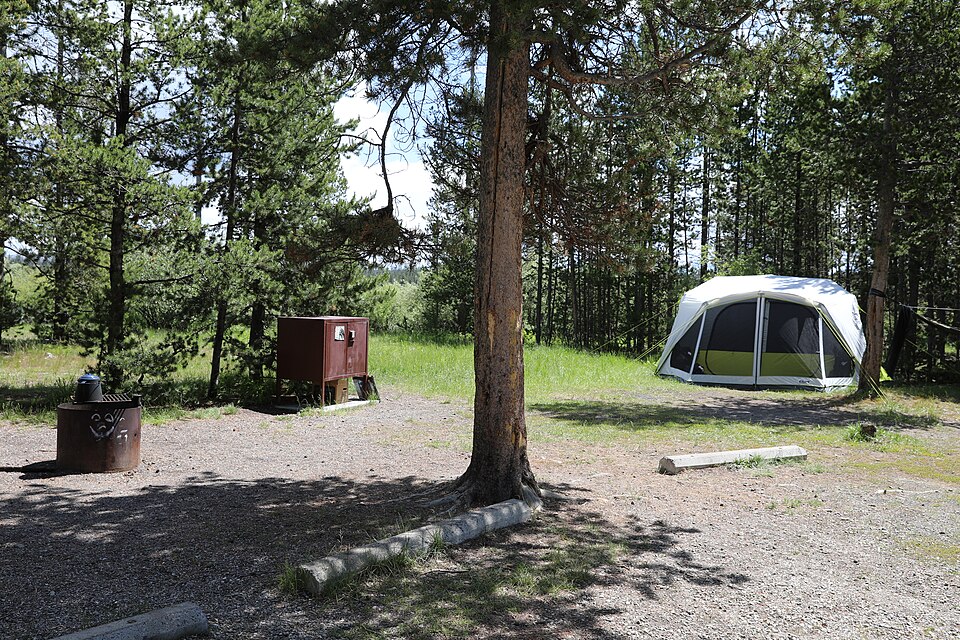
Lock in a stay for this season
Harvest Hosts stays on the way to Lake Travis
Partner link · Harvest Hosts
Winter: Quiet Retreats and Scenic Views
Winter at Lake Travis is the quietest time of year, running from November through March. While the water is generally too cold for swimming, the lake takes on a serene, glass-like quality that is perfect for sailing and fishing. Temperatures are erratic; you might experience a sunny 70-degree day followed by a sudden cold front that drops temperatures into the 30s. This is the best time for those seeking solitude and lower costs on accommodations.
Birdwatching is particularly productive during the winter months, as migratory species frequent the reservoir. Many of the lakeside restaurants remain open, offering a cozy atmosphere with sunset views that aren't blocked by summer haze. If you plan a winter trip, focus on land-based activities like exploring the wineries of the nearby Hill Country or hiking the rugged terrain of the local parks. Just be prepared with layers, as the wind off the open water can feel quite biting during the cooler months, even under a bright Texas sun.
Crowds, Reservations, and Planning Tips
Navigating the crowds at Lake Travis requires a strategic approach, especially during holiday weekends like Memorial Day, the Fourth of July, and Labor Day. During these periods, public parks can reach capacity by mid-morning, leading to gate closures. If you are planning a weekend visit during the best seasons, arrive at your chosen park or marina as early as possible. Reservations for campsites and high-end glamping sites should be made several months out to ensure your preferred dates.
Budgeting for your trip is also a factor of timing. While Lake Travis is a public resource, many access points are through private marinas or county parks that charge per-vehicle or per-person entry fees. Rough estimates for a day at the lake including rentals and food can range significantly depending on your group size. To avoid frustration, check the official LCRA (Lower Colorado River Authority) website for real-time data on lake levels, water quality, and facility closures. This ensures that your chosen activities, such as boat launching or beach swimming, are available during your stay.
More ways to book Lake Travis
 Illustrative · Trey Perry
Lake Travis Boat Rental
One of the classic ways to experience Lake Travis.
Varies (estimate)
Partner link · Viator