
Lake Tahoe Nevada glamping is better approached as a search for comfortable outdoor lodging than as a promise of safari tents beside the water. Around Tahoe, the closest match may be a cabin, a furnished camping unit, or an RV-oriented stay with amenities. Inventory and terminology vary, so focus on the exact location, sleeping setup, bathroom access, and seasonal operation before choosing a place for your trip.
What Glamping Can Look Like Around Tahoe
Glamping has no single standard, and that matters around Lake Tahoe. A listing might describe a rustic cabin, a furnished tent, or a stationary camping unit, yet the comfort level can differ considerably. Do not assume that a real bed also means heating, running water, or a private bathroom. Ask for the exact amenities included with your unit rather than relying on the property’s overall description.
Start with the essentials: weather protection, bedding, bathroom distance, cooking arrangements, electricity, and food storage. Then check whether parking is beside the unit or requires carrying bags along a path. These details matter more on cold evenings or when traveling with children.
Waterfront glamping should not be treated as a standard Nevada shore offering. Many comfortable outdoor stays are inland or outside the immediate Tahoe basin. Verify the map location and public beach access separately, and use official campground or park information when evaluating lodging on public land.
Where to Base Your Search
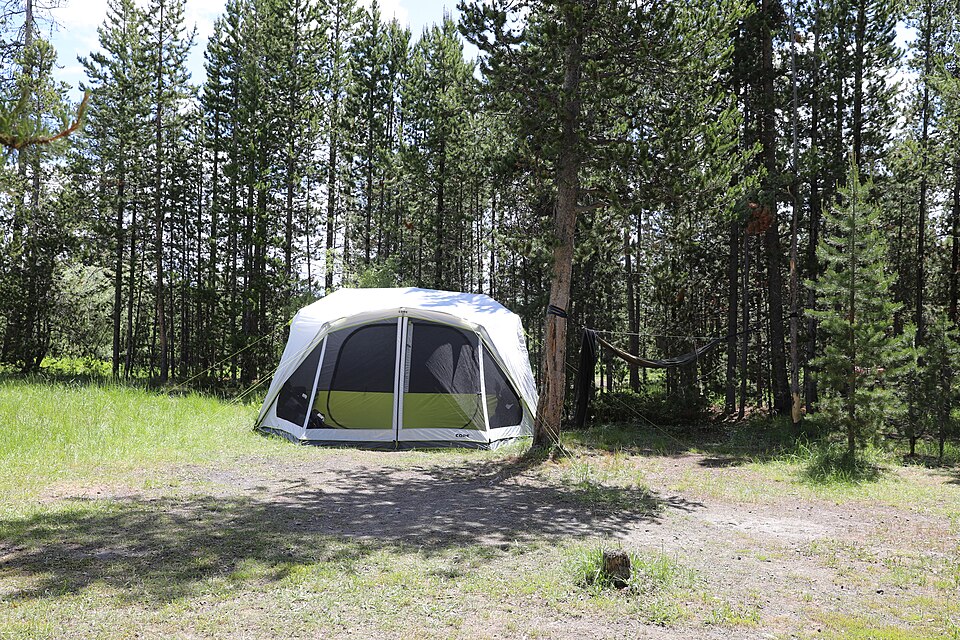
Incline Village is a practical search area for trips centered on Sand Harbor and the Tahoe East Shore Trail, though much of its lodging is conventional rather than glamping. Look carefully at whether a cabin-style stay actually sits in a campground, a residential neighborhood, or a larger lodging property. Each produces a different outdoor experience.
The Stateline and Zephyr Cove areas suit travelers focusing on the southeast shore and south shore activities. Again, research the actual accommodation type instead of assuming that lakeside surroundings imply a furnished tent or secluded site. Nearby recreation access may involve a separate fee, reservation, or drive.
If Nevada shore options are limited, broaden the search to Carson City or the Carson Valley around Minden and Gardnerville. These are inland bases, not lakefront substitutes. They can work for a regional trip, but repeated drives into the basin may outweigh lodging savings. California-side options widen the search further but change the location of your stay.
Choose the Season for Your Sleeping Setup
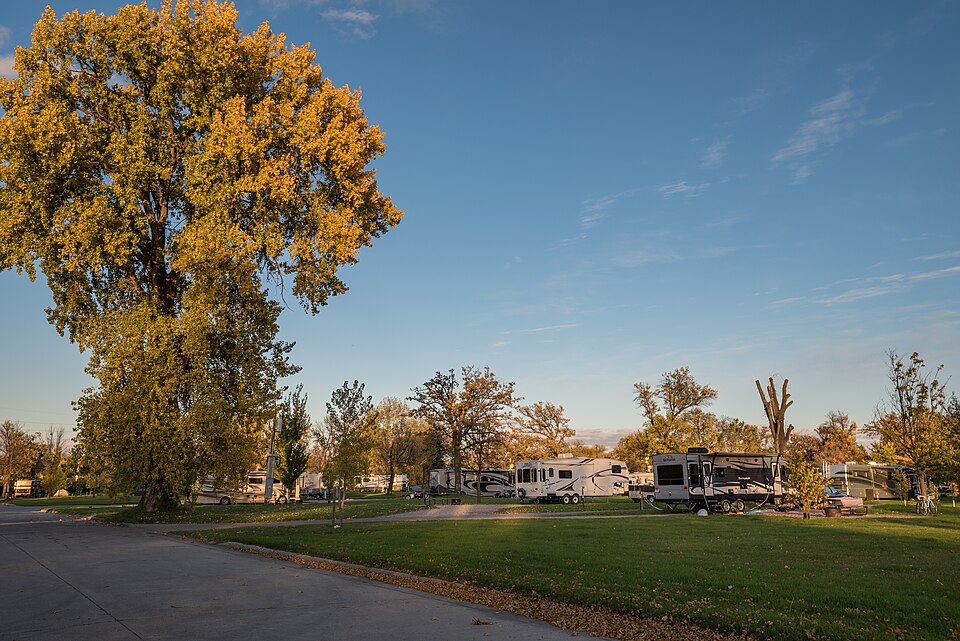
Summer is the simplest season for tent-style comfort lodging because nights are generally less severe than in winter, though warm bedding still matters. It is also a high-demand period for Tahoe travel. Once you find a suitable unit, review the cancellation terms and book ahead if your dates are fixed, particularly for weekends and holidays.
Spring and fall require closer attention to heating and weather protection. A furnished canvas tent may feel very different from an insulated cabin during a cold snap. Ask whether heat is available inside the sleeping space, whether bedding is supplied, and whether bathrooms and water systems remain operational throughout your stay.
Winter is a separate category rather than a small variation on summer glamping. Snow access, reliable heat, and the property’s actual winter operation become central. Do not assume a listing is open year-round. Check official road conditions before traveling and confirm any current access instructions directly with the accommodation.
Glamping Versus Tent Camping Versus an RV
Choose glamping when your priority is sleeping comfortably without transporting a full camping setup. It can be especially useful for an airport arrival, but convenience may come with a higher nightly cost and additional cleaning or service charges. Compare the full stay total and included equipment, not just the initial rate shown in search results.
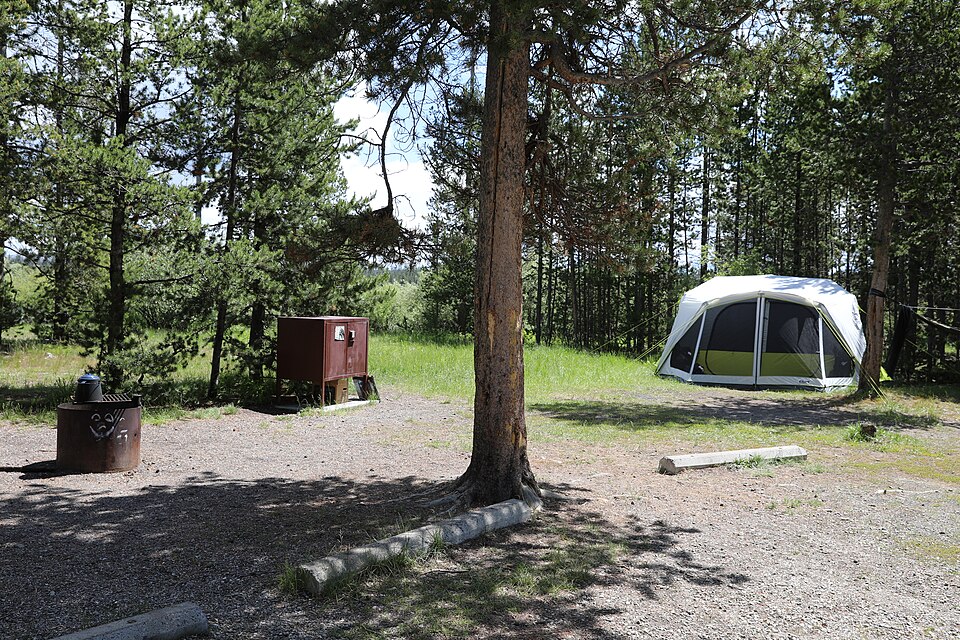
Tent camping offers a more direct outdoor experience and often a lower lodging cost, though you need suitable gear for cold nights, food storage, and changing weather. Public campgrounds may have seasonal closures and specific reservation windows. Check the official managing agency for the campground you are considering rather than assuming all Tahoe sites follow the same rules.
An RV adds shelter and potentially a kitchen or bathroom, but hookups, vehicle length limits, parking, and waste disposal require planning. Rental, fuel, and campsite costs make RV travel a different budget calculation from tent camping. Never assume overnight parking is allowed at a beach lot or trailhead.
A Booking Checklist for a Comfortable Stay
Before booking, map the unit against your two or three main outings. A property advertised as near Lake Tahoe may still require a substantial mountain drive to Sand Harbor or Stateline. Confirm whether you will have reliable transportation, especially if the accommodation is outside town or across the state line from your planned activities.
Read the rules on cooking, campfires, pets, quiet hours, and food storage. Fire restrictions can change, so a fire pit in a listing does not guarantee you can use it. Tahoe is bear country; ask what approved storage is provided and follow the property’s instructions for food, trash, and scented items.
Finally, check bedding, towels, bathroom access, potable water, heating, and cancellation policies in writing. Budget for park entry and activities separately from lodging. Consult the official Nevada State Parks website and relevant public land manager pages for current conditions and recreation reservations; a lodging reservation does not automatically secure access to nearby parks or beaches.