
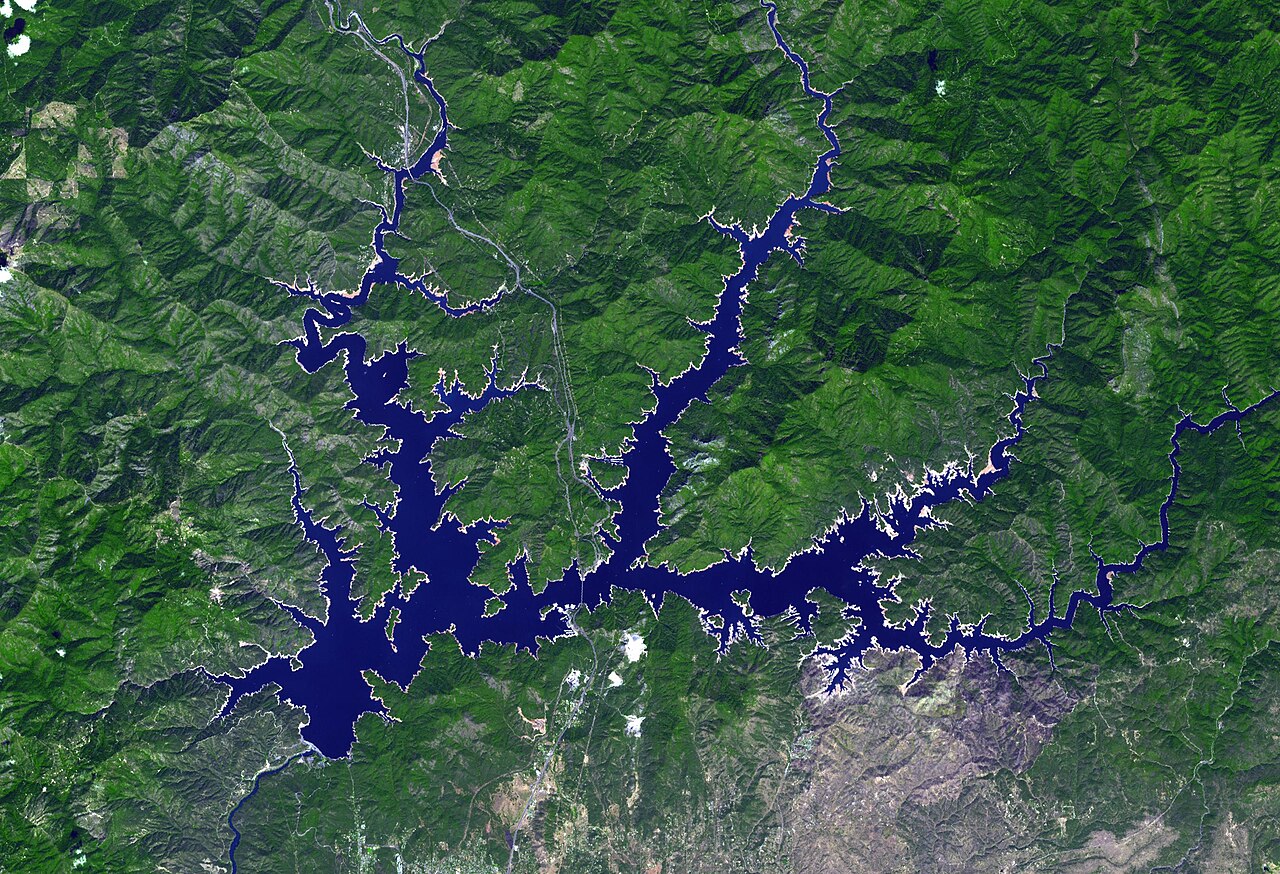
Lake Shasta is a massive, multi-armed reservoir that serves as the centerpiece of Northern California's outdoor recreation. Choosing when to visit depends heavily on your tolerance for heat and your desire for water sports versus quiet hiking. While the reservoir remains a year-round destination for fishing, the high season transforms the shoreline into a vibrant hub of houseboats and jet skis. Understanding the rhythm of the seasons ensures you catch the lake at its most beautiful, with Mount Shasta looming white and grand in the distance.
Summer Heat and Peak Boating Season
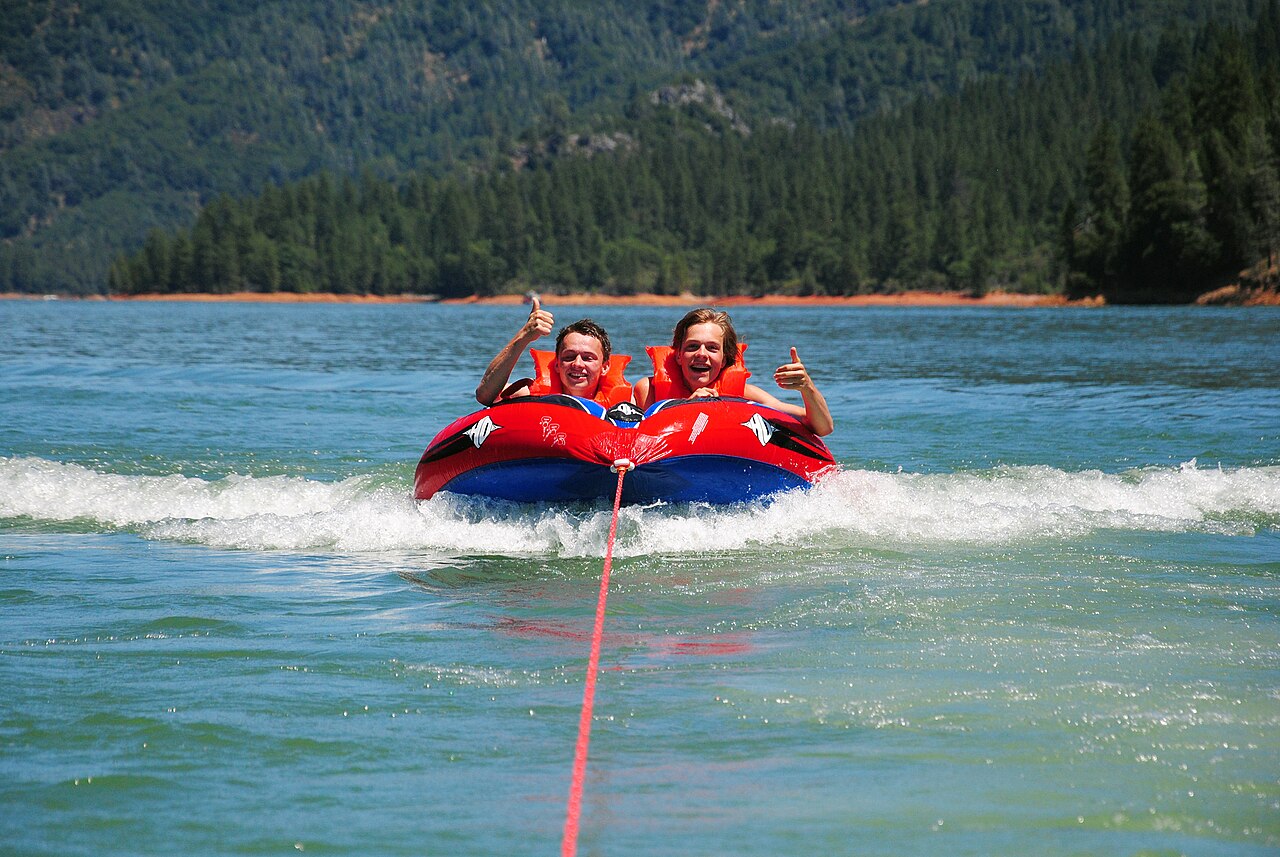
From late June through August, Lake Shasta experiences its busiest and hottest period. This is widely considered the best time to visit Lake Shasta for those looking to spend every hour on the water. Temperatures frequently climb into the 90s and often exceed 100 degrees Fahrenheit, making the cool mountain water incredibly inviting. The lake acts as a social hub during these months, with houseboats anchoring in secluded coves and wakeboarders taking advantage of the glassy morning surface.
Because this is the peak season, the marinas are at their most active. If you plan to rent a boat or secure a lakeside campsite, you should look into reservations many months in advance. The long days provide ample time for sunset cruises, but be prepared for larger crowds at popular spots like the McCloud Bridge or near the dam. The water temperature is perfect for swimming, usually reaching the mid-70s by late July, providing a refreshing escape from the intense California sun.
Spring Blooms and Rising Water Levels
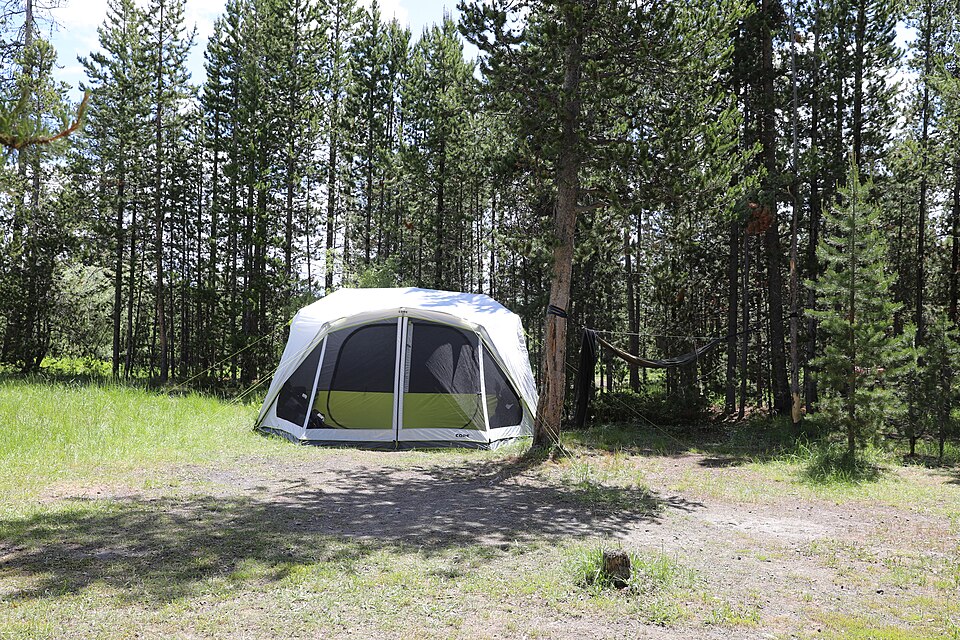
Spring, specifically late April through early June, is a spectacular time for those who prefer lush greenery and milder temperatures over intense heat. As the snow melts from the surrounding Trinity Alps and Mount Shasta, the lake levels typically reach their peak, filling the red-earthed coves to the brim. The hillsides turn a vibrant green, accented by blooming manzanita and wildflowers, creating a sharp contrast against the deep blue water.
Daytime temperatures in spring are comfortable for hiking the shoreline trails, usually ranging from the 60s to the high 70s. However, the water remains quite chilly, often too cold for casual swimming without a wetsuit. This is a prime window for photographers and wildlife watchers, as bald eagles are frequently seen nesting along the Pit River arm. The crowds are significantly thinner than in summer, allowing for a more tranquil experience at the public boat ramps and picnic areas throughout the Shasta-Trinity National Forest.
Autumn Serenity and Changing Colors
September and October represent a hidden gem for visitors seeking solitude. Once the Labor Day crowds depart, the lake takes on a quiet, contemplative atmosphere. The weather remains warm and dry, with daytime highs often hovering in the comfortable 80s, while the evenings begin to crisp up, signaling the arrival of fall. The water retains much of its summer heat through September, making it an excellent time for late-season swimming and paddleboarding without the wakes of heavy boat traffic.
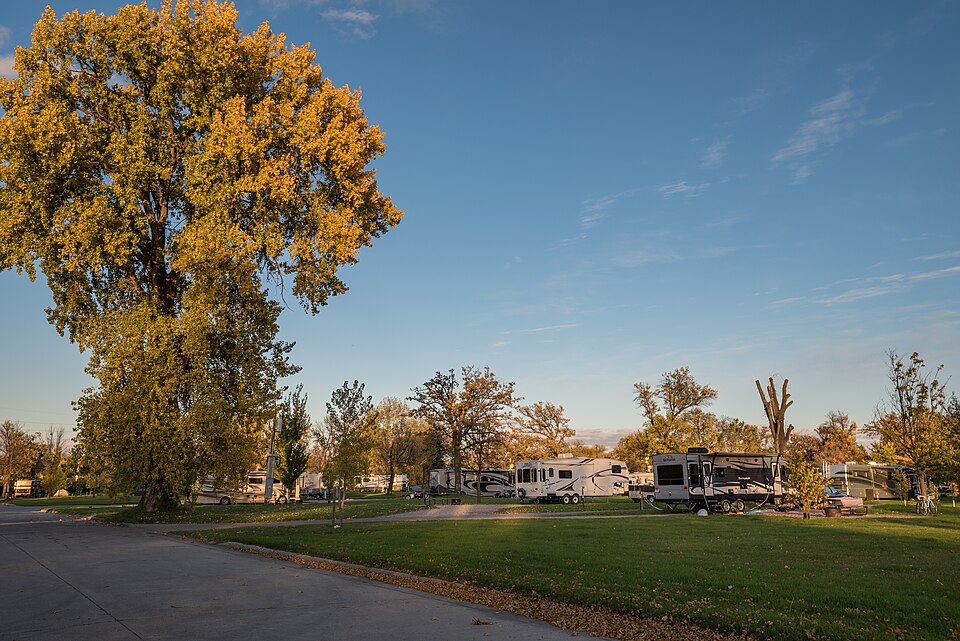
As autumn progresses, the bigleaf maples and oaks surrounding the lake begin to turn shades of gold and orange. This is arguably the best time for shore fishing, as trout and bass become more active in the cooling surface waters. Since this is the shoulder season, you can often find more flexibility with accommodation availability. It is a fantastic time for RV travelers to explore the various campgrounds along the Sacramento River arm, enjoying the star-filled nights and the smell of pine without the summer hum of generators.
Lock in a stay for this season
Harvest Hosts stays on the way to Lake Shasta
Partner link · Harvest Hosts
Winter Quiet and Snow-Capped Vistas
Winter at Lake Shasta is a season of dramatic beauty and stillness. While it is the rainy season for Northern California, the storms often leave behind crystal-clear days with stunning views of a snow-covered Mount Shasta reflecting in the water. Snow occasionally reaches the shoreline, though it is more common to see it on the surrounding peaks. Daytime temperatures usually range from the 40s to the 50s, requiring warm layers and waterproof gear.
Many seasonal marinas and lakeside facilities scale back their operations or close during these months, so it is essential to check the official National Park Service or Forest Service sites for current dock access and ramp conditions. Winter is the preferred season for serious anglers chasing trophy-sized trout. The lack of motorized recreation creates a glassy, mirrors-like surface on the water, perfect for those who enjoy the solitude of a kayak or a quiet walk along the dam. It is a time for cozying up in a rental cabin and watching the mist roll over the gray-blue water.
Planning for Crowds and Reservations
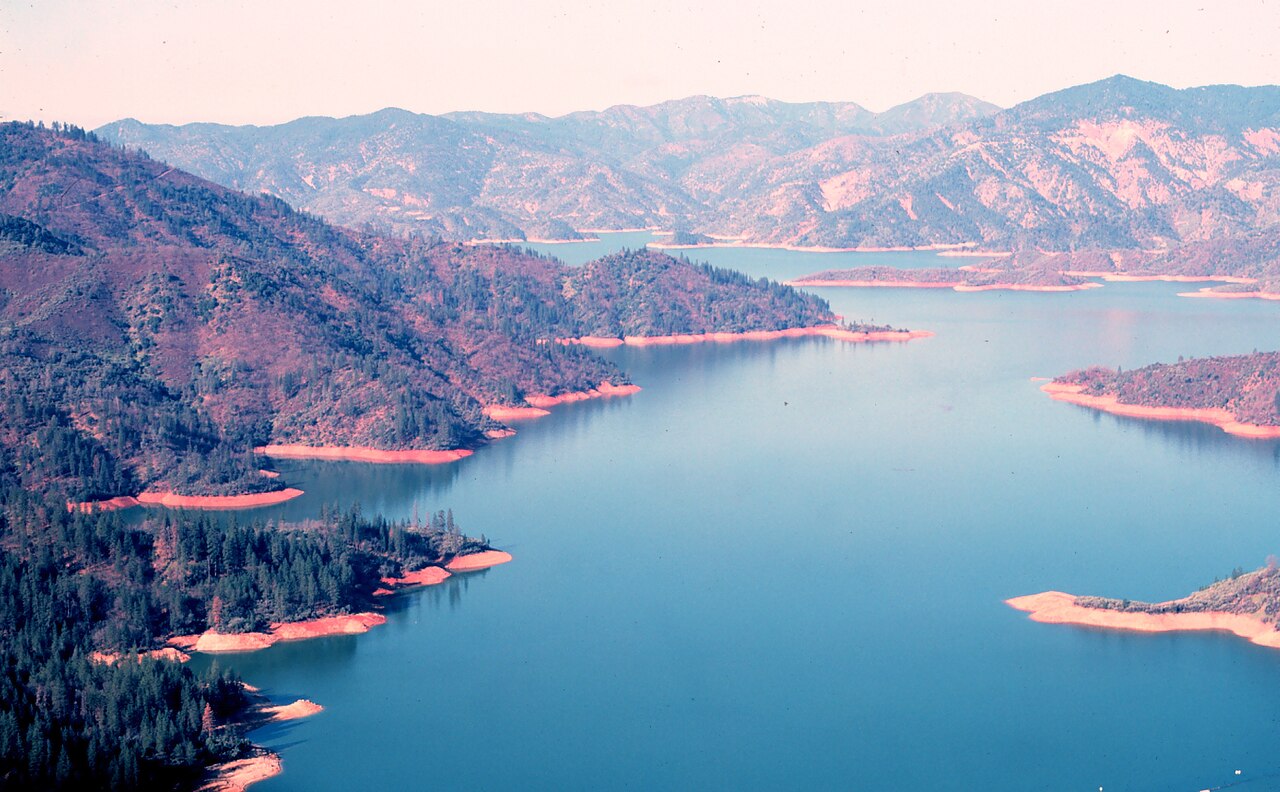
Due to its status as a premier West Coast destination, timing your reservations is just as important as choosing your dates. For summer holiday weekends like Memorial Day, July 4th, and Labor Day, campsites and houseboat rentals often book out a year in advance. If you are looking for a more spontaneous trip, mid-week visits during the shoulder months of May or September offer the best balance of good weather and site availability. Always keep an eye on the water levels, as they can fluctuate significantly based on winter snowpack and state water management.
Before heading out, checking the official USFS Shasta-Trinity National Forest website is highly recommended for the latest information on campfire permits, boat ramp status, and any potential trail closures. Even during the off-season, certain areas may require day-use fees. By planning around the seasonal fluctuations of both weather and water, you can experience Lake Shasta at its most hospitable, whether that means high-energy water sports in the July sun or a peaceful, misty morning in the heart of November.
More ways to book Lake Shasta
 Illustrative · DimiTalen
Houseboat Cruising
One of the classic ways to experience Lake Shasta.
Varies (estimate)
Partner link · Viator