
Lake George glamping is less about one standard type of accommodation and more about finding the right balance of outdoor atmosphere and everyday comfort. Around the lake and nearby Adirondack communities, that can mean a furnished tent, a ready-to-use camping structure, or a cabin with shared campground facilities. Compare the actual amenities carefully: a bed under canvas and a heated cabin can deliver very different experiences during the same spring or fall weekend.
What Glamping Can Look Like Near Lake George
Use the word glamping as a starting point, not a guarantee of particular amenities. Search results around Lake George may include furnished tents, small cabins, cottages, and campground rental units. Some provide bedding, electricity, and private bathrooms; others expect you to bring linens and walk to a shared bathhouse. Availability and accommodation types change, so verify the listing directly.
Before booking, ask how the unit handles rain, chilly nights, and hot afternoons. Screens, ventilation, heating, and covered outdoor seating can matter more than decorative touches. Confirm whether cooking is allowed, what equipment is supplied, and whether food storage is provided.
Also check what 'lake access' actually means. A property may be near Lake George without having a beach, dock, or shoreline you can use. Ask whether access is on-site, shared, or a drive away, and whether any equipment or activity reservations are separate from the overnight stay.
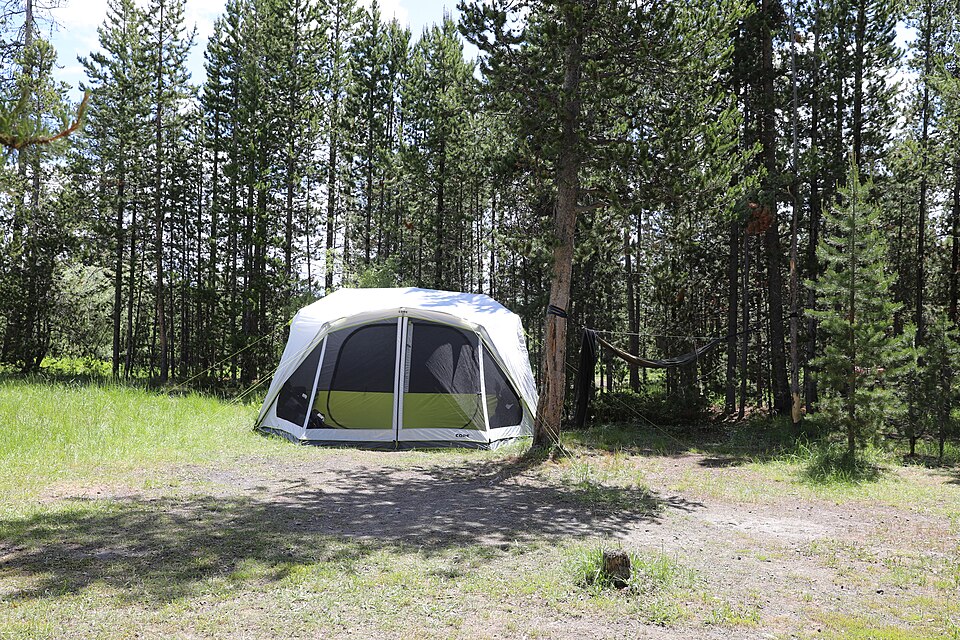
Where to Base Yourself Around the Lake
Lake George Village and the southern end of the lake suit travelers who want convenient access to beaches, cruises, and family attractions. Nearby campground-style stays can provide an outdoor setting while keeping errands relatively simple. Check the map carefully, since a Lake George mailing address does not necessarily mean you can walk to the waterfront.
Bolton Landing and the western-shore corridor offer another useful search area, especially if you prefer a smaller village base and are comfortable driving for some activities. Properties vary widely in their relationship to the water, so compare actual access rather than relying on photographs of the lake.
For a more inland Adirondack setting, expand your search toward Warrensburg and the surrounding communities. That can suit travelers who value wooded surroundings over immediate beach access. Farther north, areas around Hague may appeal for quieter lake-focused stays, but trips back to the southern village require more planning.
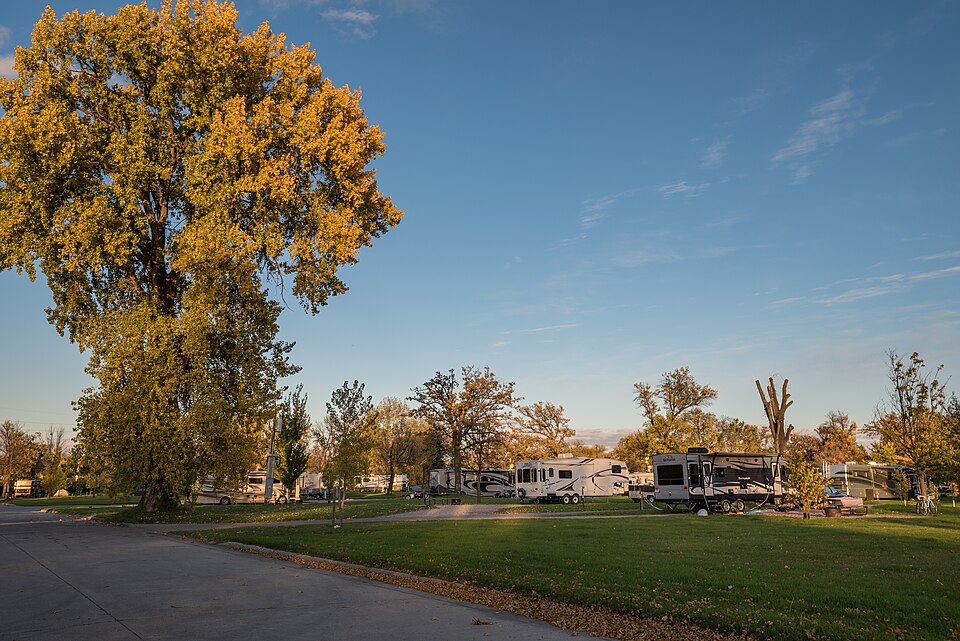
Choose Your Season Around the Structure
Summer is the simplest season for a furnished tent or lightly insulated camping structure. Even then, evenings can cool down, rain can linger, and insects are part of spending time outdoors. Look for screened openings, a dry place to sit, and clear information about fans or other ventilation rather than assuming every unit has climate control.
Spring and fall reward travelers who want fewer crowds or foliage views, but they make heating and insulation more important. A cabin with a dependable heat source offers a different level of comfort from a tent with extra blankets. Confirm what is provided and whether the accommodation is designed for the dates you plan to visit.
Seasonal closures may affect both your stay and nearby activities. Check the property's current calendar, official DEC campground information where relevant, and official park pages for beach and road status. Do not assume an open accommodation means all lake attractions are operating.
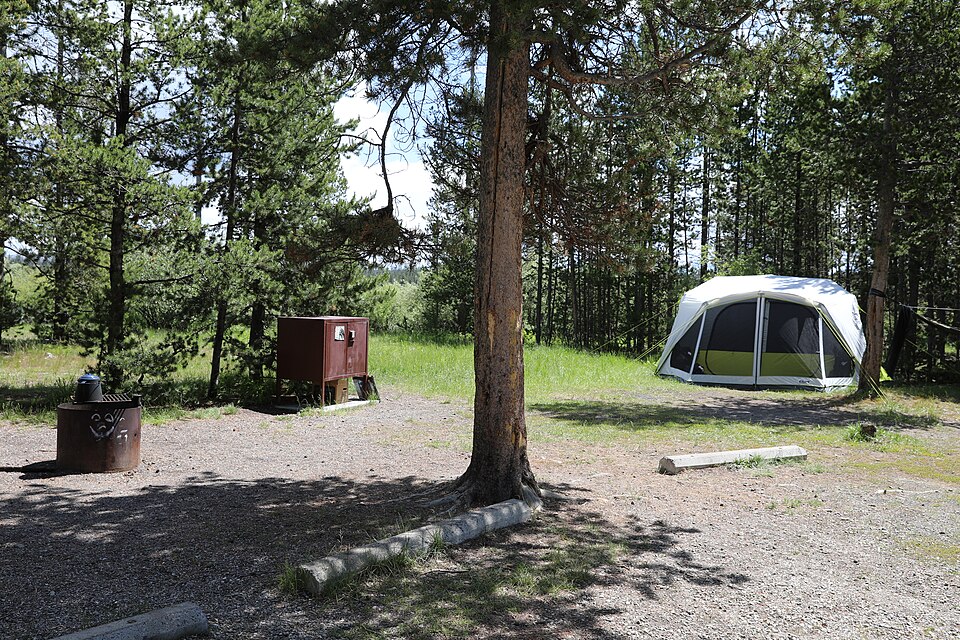
Glamping vs. Tent Camping vs. an RV Stay
Glamping works well when you want an outdoor base without transporting and pitching a full shelter. Its main benefit is convenience, but you may still need to pack towels, cooking supplies, or bedding. Compare the full packing list before deciding how much preparation it actually saves.
Traditional tent camping usually gives you more control over your setup and can be the lower-cost choice, although fees and equipment needs vary. Lake George's public island campsites offer a distinctive experience, but they are boat-access camping rather than ready-made glamping. You must arrange transportation and bring the required supplies; check official DEC rules and reservations before committing.
An RV stay offers a different tradeoff: a more enclosed living space, with logistics involving vehicle size, hookups, and site access. A stationary rental RV is not the same as a drive-in site for your own rig. Confirm exactly what is being rented and which utilities are included.
Booking Questions, Rough Costs, and What to Pack
Expect glamping costs to vary substantially by season, location, bathroom setup, and how much equipment is included. Furnished units often cost more than a basic campsite, while cabins with extensive amenities may be priced more like vacation rentals. Use those as rough comparisons, not guarantees, and review cleaning charges, minimum stays, and cancellation terms before booking.
Ask about parking distance, paths to the unit, bathroom access at night, pet rules, and accessibility needs. Families should verify bed layouts and any loft or bunk arrangements. If a campfire matters to your trip, confirm whether a fire ring is provided and check current fire restrictions before arrival.
Pack layers, rainwear, a flashlight or headlamp, and any linens the host does not supply. Follow local firewood rules and avoid transporting untreated firewood from far away. Keep food and scented items stored as directed, respect wildlife, and check official park or DEC updates for current outdoor conditions.