
Lake Chelan glamping is less about one standard accommodation style and more about finding the right balance of outdoor setting and everyday comfort. Depending on current availability, your search may include furnished tents, cabin-style stays, or stationary RV accommodations around the lower lake. Use Chelan, Manson, and the south-shore recreation corridor as starting points, then verify exactly what each listing includes before treating it as an easy camping alternative.
What Glamping Means Around Lake Chelan
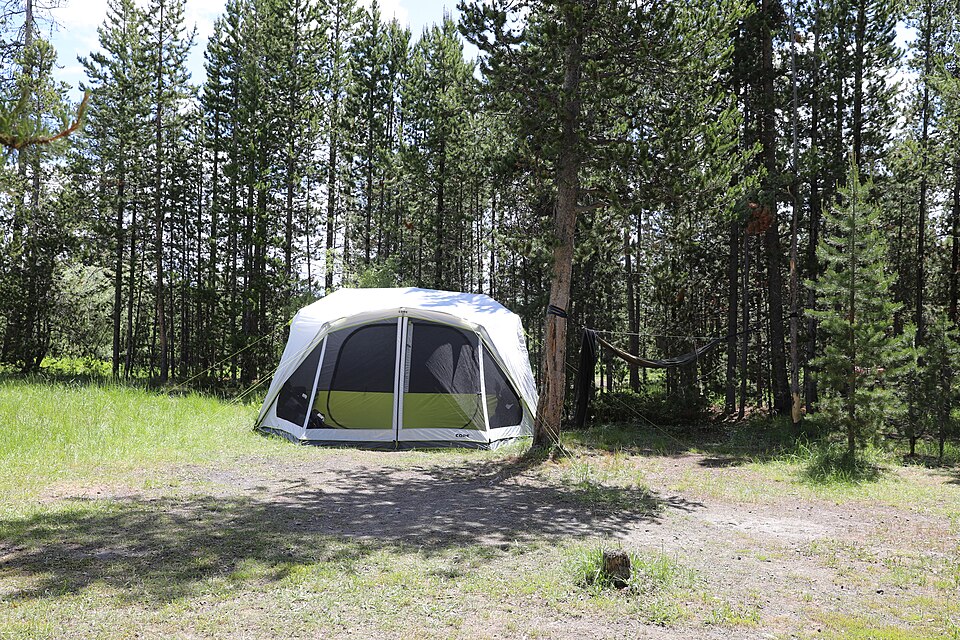
The word glamping can describe very different stays, so look beyond the label. A furnished tent may provide a real bed but require a walk to shared bathrooms. A small cabin may have electricity and heating without a kitchen or private shower. A stationary RV may offer more indoor amenities while still involving campground rules, compact spaces, and outdoor cooking.
Around Lake Chelan, the most useful comparison is how a property supports your planned lake days. Ask whether linens, towels, drinking water, cooking equipment, and shaded outdoor seating are included. Confirm whether lake access is on-site, public and nearby, or simply part of the view. Waterfront language does not necessarily mean a private beach or a practical swimming entry. Photos can also hide steep access paths or close neighboring sites. Request details about parking, bathroom distance, and the actual sleeping setup before making a nonrefundable reservation.
Where to Search: Chelan, Manson, and the South Shore
Chelan is a practical search area if you want grocery access, restaurants, and town walks close at hand. It suits travelers who want an outdoor-feeling stay without making every meal or errand a project. Manson offers another lower-lake base, with an agricultural landscape of orchards and vineyards and access to north-shore recreation. In either area, confirm the property's exact location rather than relying on a broad destination label.
The south-shore corridor toward Lake Chelan State Park and Twenty-Five Mile Creek State Park is worth researching for a more campground-oriented setting. Those park names are geographic anchors, not a promise that furnished glamping units are available inside them. Check official Washington State Parks pages for the accommodation types actually offered. Stehekin is a separate logistical choice: any comfortable cabin or tent-based stay there still requires planning transportation up the lake, meals, and luggage.
Choose the Season for Your Comfort Level
Summer is the most straightforward season for an outdoor-centered stay, especially if swimming and evening meals outside are priorities. It also brings higher demand and potentially hot afternoons. A canvas tent can feel very different from an insulated cabin, so ask about shade, ventilation, cooling equipment, and whether the sleeping area receives direct afternoon sun. Do not assume that a luxury label includes air conditioning.
Spring and fall can suit travelers who prefer quieter surroundings, but overnight comfort depends heavily on the structure and its heating. Ask whether a heater is installed and permitted, whether bathrooms are enclosed, and how the property handles cold-weather plumbing. Seasonal operations may limit your choices. Wildfire smoke, burn bans, and changing weather can affect any outdoor stay during the warmer months. Check official park alerts and local restrictions, and understand the property's cancellation policy before booking a trip built around campfires or lake access.
Glamping vs. Tent Camping vs. an RV Stay
Choose glamping when you want less equipment to pack and a comfortable place to sleep, but still enjoy meals outside and time near the lake. Its value depends on what is included: a furnished unit with bedding and cooking basics solves different problems than an empty cabin requiring most of your camping kit. Confirm those distinctions before comparing nightly rates.
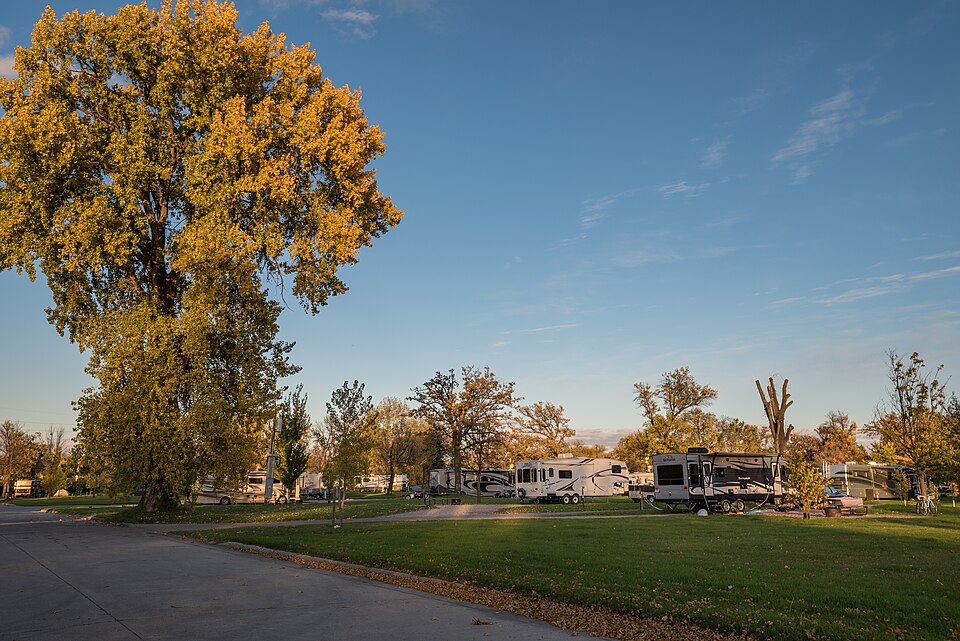
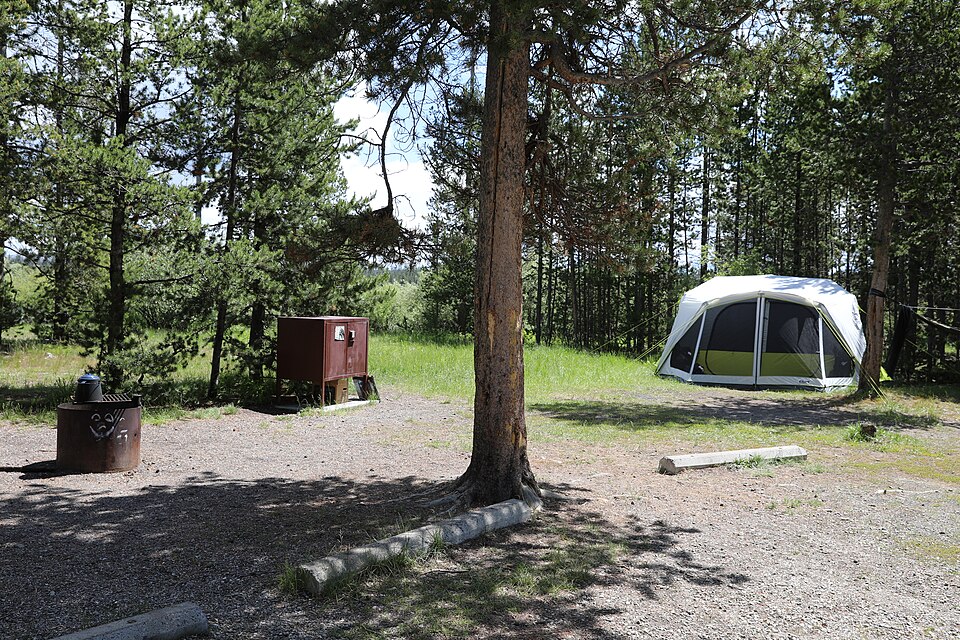
Traditional tent camping usually gives you more control over your setup and may have a lower lodging cost, though gear purchases and transportation can narrow the difference. Developed campgrounds are useful for travelers who want established facilities while keeping a camping routine. An RV offers enclosed living space and potentially a private bathroom, but hookups, vehicle size, waste disposal, and driving logistics matter. A stationary rental RV avoids towing but still requires clear instructions about its systems. None of these formats automatically guarantees quiet, privacy, lake access, or reliable cellular service.
Booking Checklist and a Practical Glamping Weekend
Before reserving, confirm the total estimated cost, minimum stay, cleaning charges, pet rules, occupancy limits, and bathroom arrangements. Ask about bedding for every guest, cooking restrictions, food storage, and whether you need an access pass for nearby public recreation. Summer weekends are worth planning well ahead, while shoulder-season bookings benefit from clear cancellation terms and verified heating. Use official park websites for current conditions and public campsite reservations.
For a simple two-night stay, arrive with groceries and settle in rather than scheduling an immediate activity. Spend the next morning at a developed beach or on a prearranged paddling outing, then return for a shaded lunch and downtime. Finish with a walk in Chelan or a relaxed Manson outing before departure. Pack layers, sun protection, a headlamp, and any supplies the listing does not provide. Plan meals that work without a campfire so changing fire restrictions do not derail dinner.