
For those who want to experience the rugged beauty of the San Bernardino National Forest without sacrificing the comforts of home, Lake Arrowhead glamping is the perfect compromise. This style of travel allows you to sleep under a canopy of towering pines and brilliant stars while enjoying amenities like comfortable bedding, heated interiors, and stylized decor. It is an elevated way to connect with the 'Alps of Southern California' while maintaining the convenience of a modern getaway.
The Glamping Experience Near Lake Arrowhead
Glamping in the Lake Arrowhead area typically involves staying in heavy-duty canvas wall tents, vintage trailers, or architecturally unique A-frame cabins. Unlike traditional camping, where you might spend hours setting up a tent and sleeping on the hard ground, glamping sites come pre-arranged with high-quality linens and often private decks. These sites are strategically placed to offer maximum privacy and immediate access to the forest, allowing you to wake up to the scent of cedar and the sound of mountain birds.
Many glamping locations near the gateway cities of Blue Jay and Rimforest emphasize a 'slow living' philosophy. You might find communal fire pits for evening gatherings, outdoor kitchenettes for brewing morning coffee, and even basic electricity or solar power to charge your devices. It is an ideal setup for couples on a romantic retreat or small families who want a nature-focused experience without the logistical hurdles of a full camping expedition. Prices for these experiences vary, but they generally fall into the mid-to-high range of mountain lodging.
Glamping vs. Traditional Camping and RVs
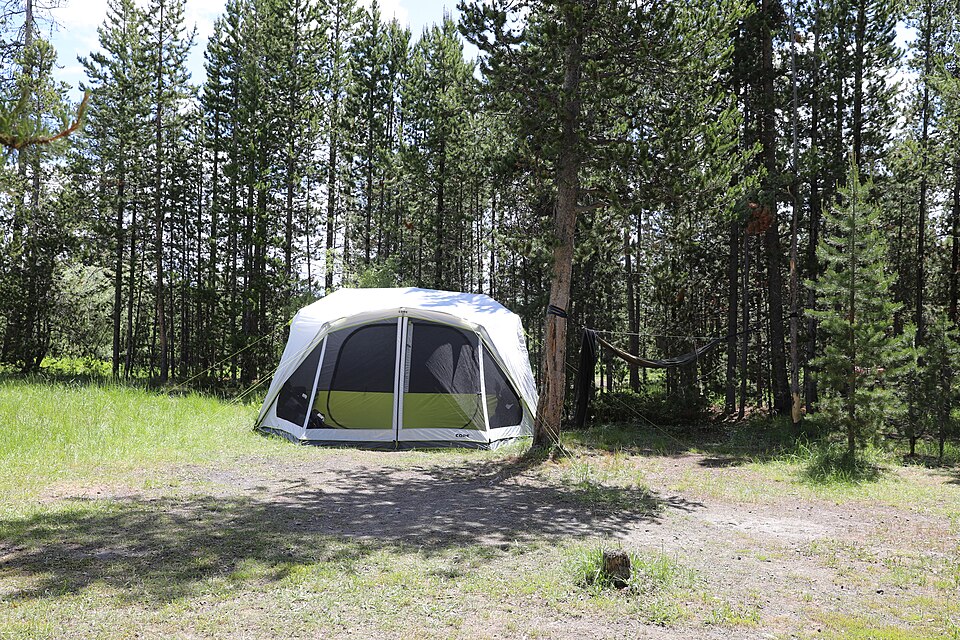
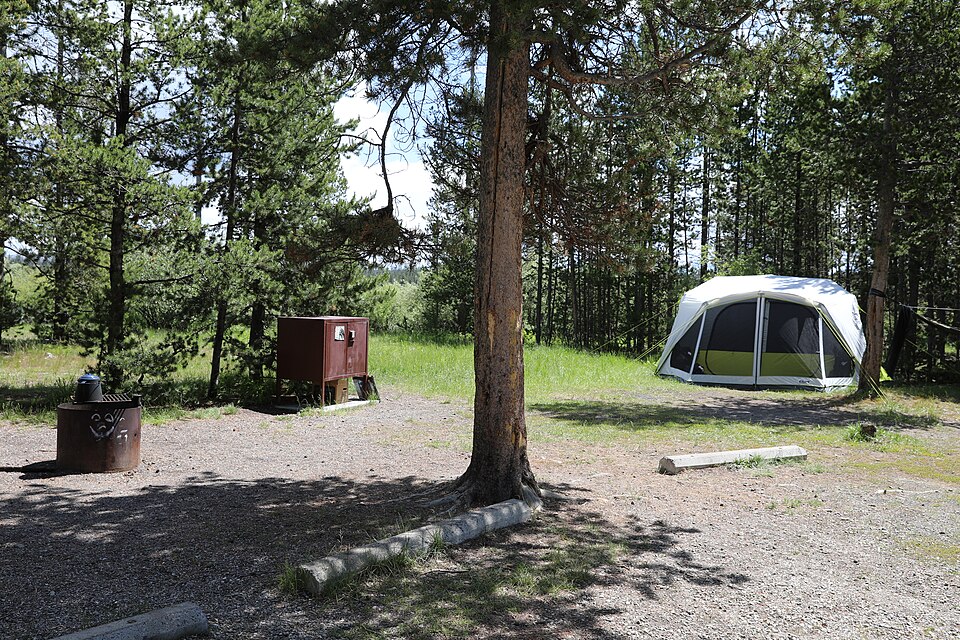
Deciding between Lake Arrowhead glamping and more traditional outdoor stays depends on your desired level of immersion and effort. Traditional camping in the San Bernardino National Forest, at spots like Dogwood Campground, offers a more rustic and affordable experience but requires you to bring all your own gear, from stoves to sleeping bags. Traditional campsites are excellent for those who enjoy the ritual of building a camp and living simply, but they lack the insulation and luxury of a glamped tent.
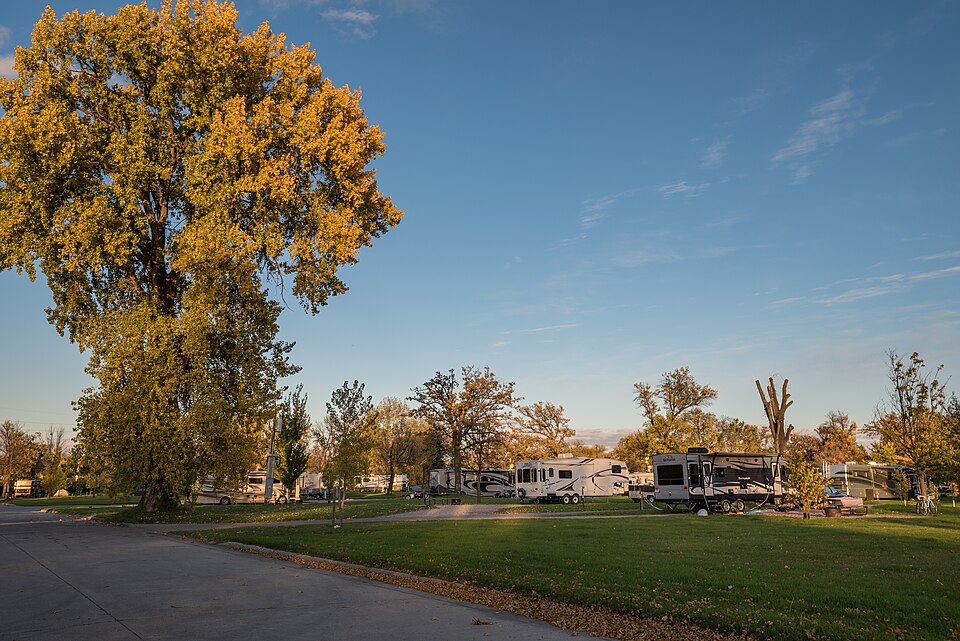
RV camping is another popular alternative, providing a mobile home base with climate control. However, navigating a large RV through the narrow, winding roads of the Rim of the World Highway can be challenging for inexperienced drivers. Glamping bridges the gap by providing the fixed, sturdy structure of a cabin with the thin-walled, sensory experience of a tent. You get the fresh air and proximity to wildlife found in a campground, but with a plush mattress and professional aesthetic that elevates the entire trip.
Best Areas for a Luxury Outdoor Stay
While the immediate shoreline of Lake Arrowhead is heavily residential, the best glamping opportunities are found in the surrounding San Bernardino National Forest and the gateway communities. The area near Blue Jay offers a mix of wooded seclusion and proximity to local shops and dining. Staying in this corridor allows you to enjoy the feeling of being deep in the woods during the night while being only a ten-minute drive from a hot meal or a morning boat tour.
Another prime area for glamping is the region near Rimforest and Twin Peaks. These higher-elevation spots often provide cooler temperatures and denser forest cover, which enhances the 'alpine retreat' atmosphere. Some glamping sites are tucked away on private land bordering the forest, providing direct gate access to miles of hiking trails. When choosing a location, consider the distance to the lake village, as the winding roads can make even short distances take longer than expected. Always check for reviews that mention the quality of the heating elements, especially if you are visiting during the cooler shoulder seasons.
Seasonal Considerations for Glampers
The best time for Lake Arrowhead glamping is typically from late spring through early autumn. June, July, and August offer the most reliable weather for sleeping in semi-permanent structures, with warm days and cool, crisp nights. During these months, you can fully utilize outdoor decks and communal spaces without the bite of the mountain frost. However, summer is also the busiest time, so booking your glamping site several months in advance is highly recommended.
Late September and October are also fantastic for glamping, as the changing leaves provide a stunning backdrop for your stay. However, nighttime temperatures can drop rapidly in the autumn, so ensure your chosen site provides adequate heating or heavy blankets. Most glamping operations close during the peak winter months of December through February due to heavy snowfall and freezing temperatures, which can be difficult for canvas structures to withstand. Always check the official NPS or San Bernardino National Forest websites for seasonal weather patterns to ensure your glamping dates align with safe and comfortable conditions.
What to Pack for Your Glamping Trip
Even though glamping provides many of the essentials, a trip to Lake Arrowhead requires some specific packing strategies. Because you will be spending a significant amount of time outdoors, layers are crucial. Even in the middle of summer, temperatures in the San Bernardino Mountains can drop 20 to 30 degrees once the sun goes down. Bring a high-quality fleece or a light down jacket for evening campfires. Sturdy, closed-toe shoes are a must for navigating the uneven terrain around your glamping site and for exploring nearby trails.
Don't forget to pack a headlamp or a good flashlight for walking between your tent and communal areas at night, as mountain lighting is often kept minimal to preserve the view of the stars. Since you will be in a forest environment, eco-friendly insect repellent and sunblock are essential. While most glamping sites provide water, carrying a reusable bottle for your hikes is important for staying hydrated at high altitudes. Lastly, always check the official forest service website for any fire restrictions; even if your glamping site has a fire pit, local laws may prohibit wood fires during periods of high fire danger, in which case you might need to rely on propane heaters.