
The best time to visit Key West depends on whether you picture breezy waterfront walks, long snorkeling days, or a quieter escape between busy travel periods. This island stays warm by mainland standards, but humidity, rain, wind, and seasonal crowds can change the feel of a short trip. For a two- to four-day visit, choosing the right month matters almost as much as choosing where to stay.
Spring: A Strong All-Around Choice
Spring offers a useful balance of warm days, outdoor dining weather, and water-based activities. Early spring usually feels less humid than summer, while later spring brings warmer water and a more tropical feel. Plan walking and cycling for the morning, then leave the afternoon for a beach stop or a shaded courtyard break.
March and school-break periods can be busy, so spring is not automatically a quiet or inexpensive season. Lodging around Old Town is especially convenient for a short stay, but popular dates deserve advance planning. Start looking several months ahead if your trip overlaps a school holiday or requires a particular room type.
For snorkeling, do not judge conditions by the sunshine alone. Wind can affect visibility, waves, and boat departures. Keep one flexible morning in your schedule rather than saving your only water excursion for departure day.
Summer: Warm Water and Flexible Plans
Summer suits travelers who prioritize swimming and do not mind building the day around heat and humidity. Early mornings are useful for the waterfront, the Southernmost Point area, and bike rides before pavement and exposed sidewalks become uncomfortable. Carry water, use sun protection, and plan a real indoor break rather than trying to sightsee continuously.
Afternoon thunderstorms are common in the warmer months, although rain does not necessarily last all day. Boat trips still depend on the actual forecast and marine conditions. Choose reservations with clear cancellation terms, especially when an outing is central to your visit.
Summer falls within the Atlantic hurricane season, which runs from June through November. That does not mean every summer trip faces a storm, but weather monitoring matters. Some lodging may cost less than in winter; treat that as a possibility, not a promise, particularly around holidays.
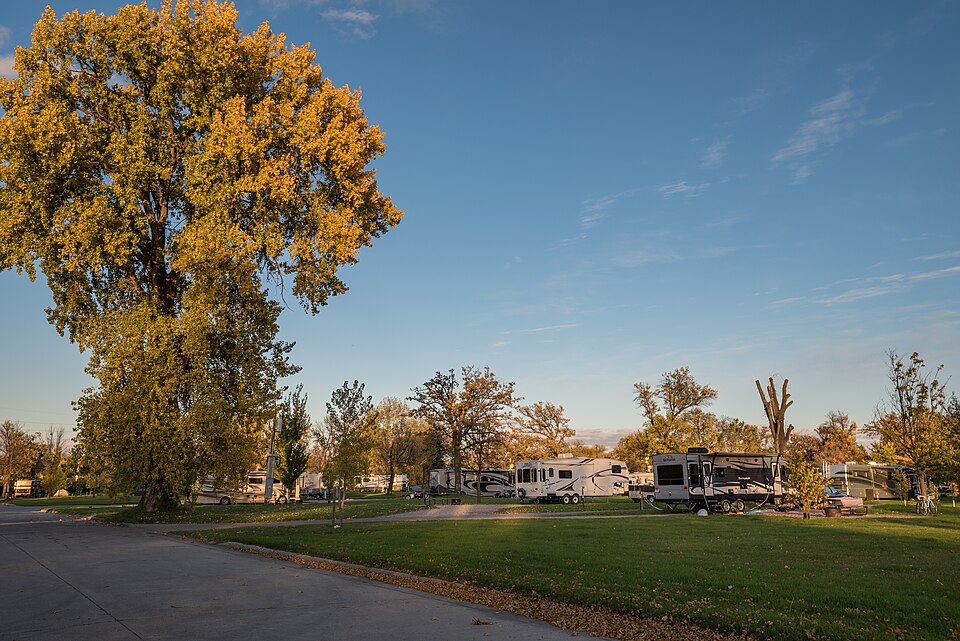
Lock in a stay for this season
Harvest Hosts stays on the way to Key West
Partner link · Harvest Hosts
Fall: Quieter Windows, With Important Exceptions
Fall can bring a slower pace between major events, particularly when school is back in session. September often remains hot and humid, and tropical weather remains a planning consideration. Later in the season, conditions generally become more comfortable for walking, but an individual week can still be windy, wet, or unusually warm.
Do not assume that every fall weekend is low-key. Fantasy Fest brings large crowds and an adult-oriented atmosphere to parts of Old Town in late October. Travelers seeking quiet evenings or a family-focused visit should review the current event calendar before booking. Special-event periods can also tighten lodging availability well beyond the immediate festival streets.
If your dates are flexible, compare ordinary weekdays with event weekends. Read lodging cancellation policies carefully, and avoid building a trip around multiple nonrefundable boat excursions. For camping, check the official Florida State Parks reservation system rather than assuming fall openings will be plentiful.
Winter: Comfortable Walking and Peak Demand
Winter is popular because Key West offers a warm-weather escape when much of the country is cold. It is often an appealing season for walking Old Town, exploring historic sites, and lingering by the harbor. Even so, bring a light layer: passing cold fronts can create cool evenings and brisk waterfront conditions.
Water activities are more weather-sensitive than a sunny forecast might suggest. Wind can make a reef trip choppy, and swimming comfort varies by person and recent weather. If time on a boat matters most, allow more than one possible departure day and ask the operator about current conditions.
This is generally a high-demand period for lodging, especially around holidays and long weekends. Start comparing rooms and campsites several months ahead, with extra lead time for fixed dates. A central room may cost more, but walking instead of driving can simplify a short visit.
Match Your Booking Strategy to the Trip
For a first visit, late spring often provides a useful compromise between winter demand and midsummer heat. Travelers focused on pleasant walking may prefer winter or early spring, while warm-water enthusiasts may accept summer humidity. There is no single month that guarantees calm seas, empty streets, or lower lodging costs.
Book your lodging first, then reserve the experiences with limited capacity. Dry Tortugas National Park requires a separate transportation plan, commonly by ferry or seaplane, and camping adds further logistics. Check the official NPS site for current conditions, access information, and reservation guidance before making connected bookings.
For Fort Zachary Taylor, Bahia Honda, or other state-park visits, use the official Florida State Parks site for current conditions and reservations. Review forecasts again shortly before travel. A successful two- to four-day trip usually includes one weather-dependent outing, several walkable alternatives, and enough open time to rearrange them.

More ways to book Key West
 Illustrative · Ianaré Sévi
Key West Reef Snorkeling
One of the classic ways to experience Key West.
Varies (estimate)
Partner link · Viator