
Kenai Fjords glamping usually means staying near the park rather than finding a developed luxury campground inside it. Around Seward and nearby road-accessible areas, look for cabins, furnished tents, or other nature-focused stays that provide more comfort than a basic campsite without removing you from Alaska’s coastal weather. The right choice depends less on the label and more on heat, bathroom arrangements, transportation, and how easily you can reach your planned boat departure or hike.
What Glamping Looks Like Near Kenai Fjords
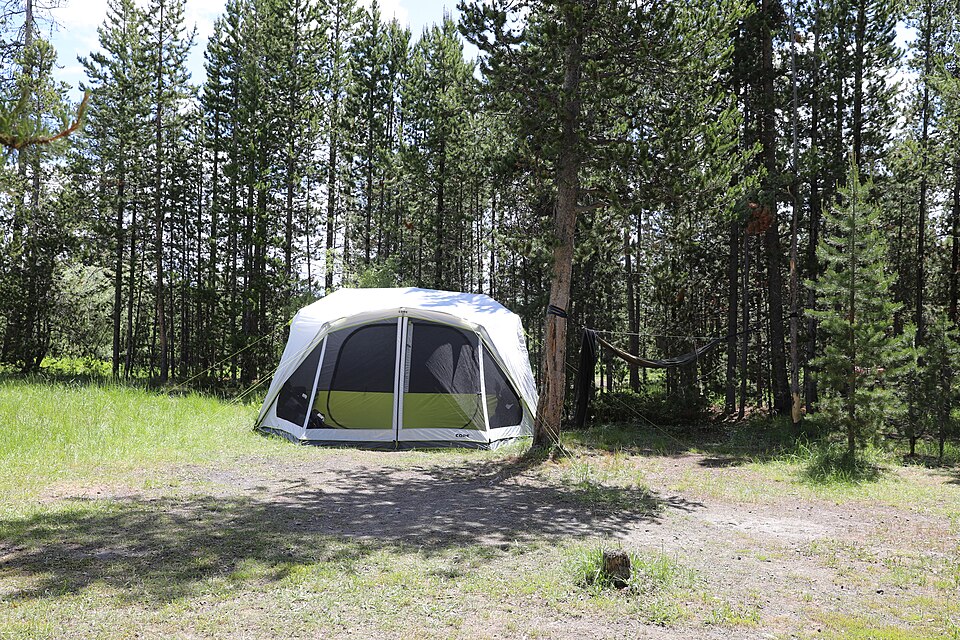
Treat glamping as a description to investigate, not a standard set of amenities. A listing may mean a furnished canvas tent with a shared bathroom, a simple heated cabin, or a more fully equipped cottage. Remote lodge stays are another category entirely and may require boat transportation and bundled arrangements.
Before booking, verify the bed setup, heat source, electricity, drinking water, cooking facilities, and distance to bathrooms. Ask whether bedding and towels are supplied and whether the access path is muddy or uneven. Nightly costs are best treated as rough estimates: a comfortable private stay may run a few hundred dollars or more, with large differences by season, amenities, and location. Check the complete total and cancellation terms.
Where to Look: Seward and Nearby Gateway Areas
Start with Seward if you want the simplest access to cruise departures, groceries, meals, and town-based activities. Properties outside the center may feel more secluded, but you will need to understand parking and transportation before assuming you can walk everywhere. Check the actual driving route rather than judging distance from a map pin alone.
Bear Creek and the road corridors north of Seward are useful areas to include in an accommodation search. Moose Pass, farther north along the Seward Highway, can suit travelers seeking a quieter regional base, though it adds driving to harbor departures. Anchorage works better as an arrival or departure stop than as a daily base for Kenai Fjords. Remote coastal stays require separate transfer planning.
Choose the Season Around Comfort and Access
June through August is the most straightforward season for combining a nature-focused stay with cruises and hiking. Long daylight hours are useful for exploring, but they can make a sleep mask surprisingly helpful. Cool nights, steady rain, and damp gear remain possible even during the busiest summer weeks.
For May or September, confirm that the property operates on your dates and that its advertised amenities remain available. A canvas tent without effective heat is a different experience from an insulated cabin. Also check whether your preferred tours run during the stay. Winter requires much more specific planning around road access, heating, and reduced visitor services. Consult the official NPS site for park conditions and confirm accommodation details directly.
Where to sleep
Harvest Hosts stays on the way to Kenai Fjords National Park
Partner link · Harvest Hosts
Pack for Damp Weather and Real-World Amenities
Bring a waterproof jacket, rain pants, insulating layers, warm socks, and footwear suitable for wet paths. Quick-drying clothing is more useful than packing several bulky outfits that stay damp. Add a headlamp, sleep mask, insect repellent, reusable water bottle, and a dry bag or waterproof pouch for boat outings.
Let the property’s actual equipment list determine the rest. You may need bathroom footwear, cooking supplies, extra charging capacity, or your own towels. Do not assume a furnished tent includes a refrigerator or outlets. Ask about food storage and follow local bear-aware practices; food and scented items should not be left casually in sleeping areas or outdoors. Pack out waste and follow the property’s fire rules.
Glamping vs. Camping vs. an RV
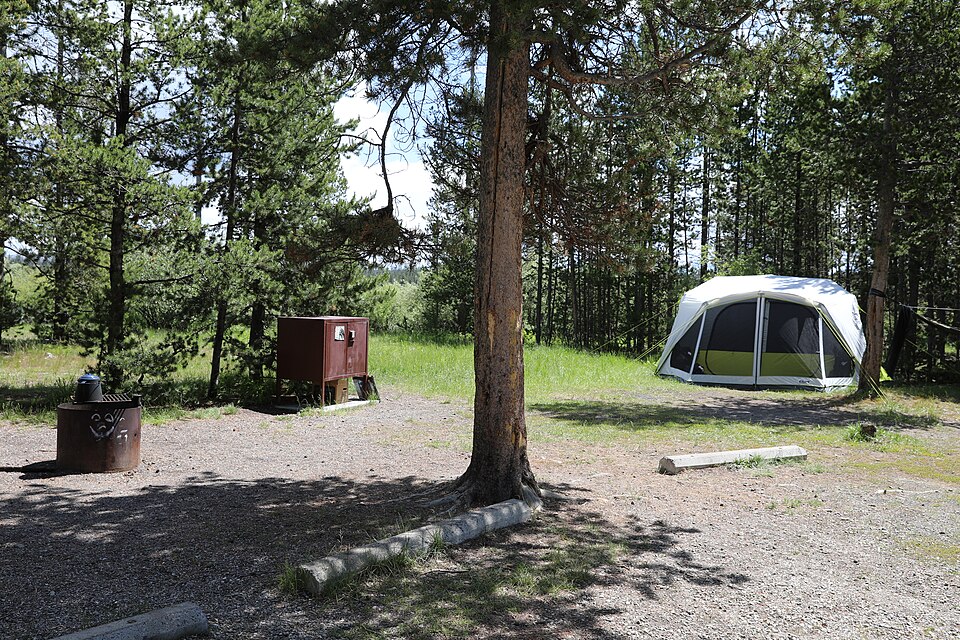
Glamping suits travelers who want a real bed and less setup while keeping an outdoor setting. Traditional camping generally requires more personal gear and more effort managing rain, food storage, and drying clothing. The Exit Glacier area has a small tent campground, but it is not an RV-hookup or resort-style glamping facility; check the official NPS site for current rules and availability information.
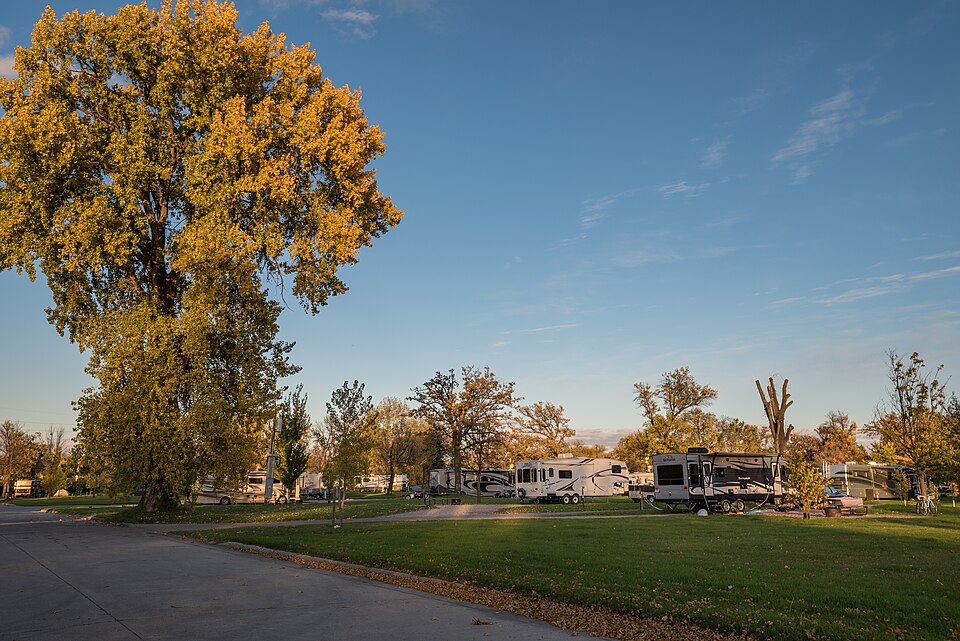
An RV offers your own sleeping space and some shelter from wet weather, but parking, vehicle size, hookups, and waste disposal still need planning. Seward-area facilities vary, and an RV does not provide road access to the park’s remote fjords. Compare complete rough trip costs, including vehicle rental, fuel, campground fees, and equipment, rather than nightly lodging alone.