
Planning your trip to Katmai requires syncing your arrival with the rhythms of the Alaskan wild. While the park is technically open year-round, the vast majority of visitors arrive between June and September when the bears are active and the bush planes can navigate the coastal weather. This remote wilderness offers distinct windows for seeing salmon runs or trekking through volcanic ash, so timing your flight into King Salmon is the most critical step in your journey.
Early Summer and the July Bear Peak
June marks the beginning of the visitor season as the ice melts from the high-country lakes and the brown bears emerge from their dens. Early in the month, you will often spot bears grazing on sedge grasses along the coast and in the meadows. However, the most famous spectacle begins in July when the sockeye salmon start their upstream migration. This is the peak time to visit Brooks Falls, where you can watch massive brown bears stand atop the falls to catch fish in mid-air.
Expect temperatures to be mild, ranging from the high 40s to low 60s, though the coastal winds can make it feel much cooler. Because this is the most popular time for photography, the viewing platforms can get crowded. If you plan to visit during July, you must be prepared for a waitlist system at the most popular overlooks. It is a vibrant, bustling time for both the local wildlife and the travelers who come from around the world to witness the spectacle.
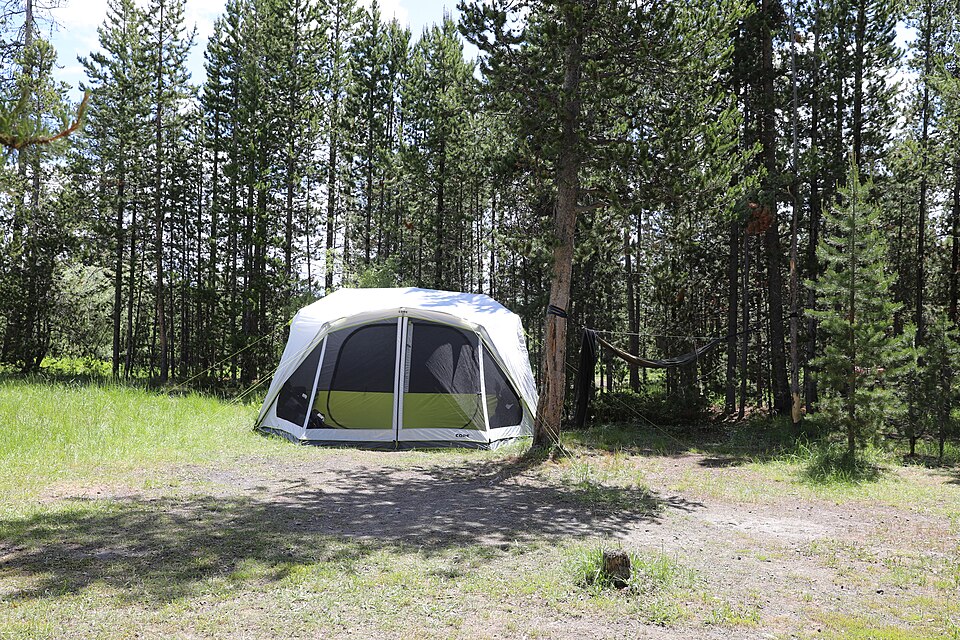
Lock in a stay for this season
RV parks near Katmai National Park on RoverPass
Partner link · RoverPass
Late Summer and the August Lull
August in Katmai is a transitional period that offers a different kind of beauty. After the initial salmon rush in July, many bears disperse to forage for berries in the tundra or follow the fish into the smaller feeder streams. While there are fewer bears at the main falls compared to July, the park is much quieter and the meadows are lush with summer growth. This is an excellent time for those who want to explore the Valley of Ten Thousand Smokes without the mid-summer crowds.
The weather in August can be quite unpredictable, often bringing more frequent rain and fog. You should pack high-quality waterproof gear and be prepared for potential flight delays, as bush planes rely on clear visibility. Despite the moisture, the landscape remains incredibly green, and the lack of crowds provides a more solitary experience for hikers and backcountry explorers who want to feel the true scale of the Alaska Peninsula.
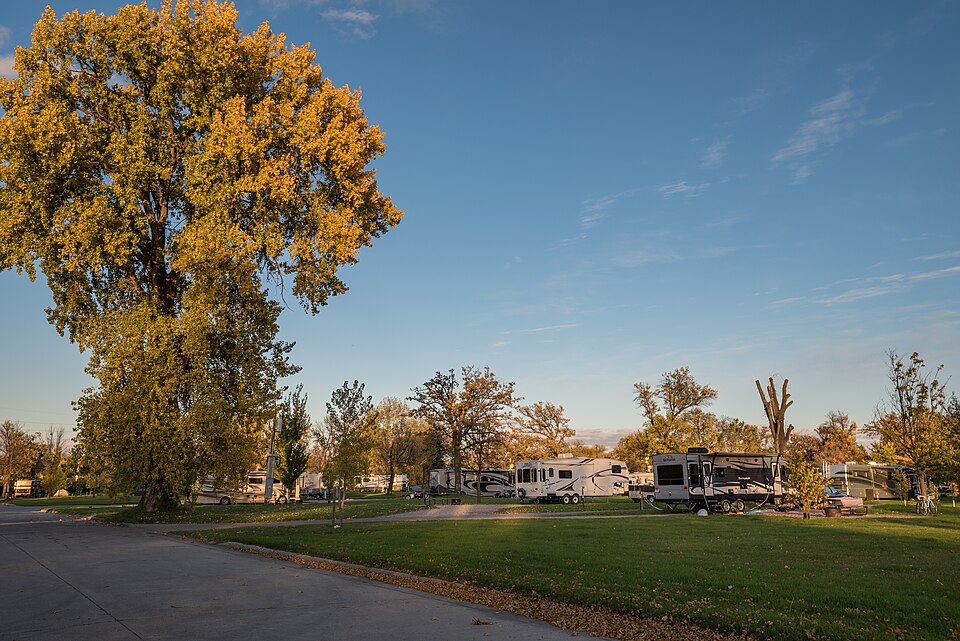
Lock in a stay for this season
Campsites near Katmai National Park on Campspot
Partner link · Campspot
Autumn Gold and the September Return
September is many locals' favorite time to visit Katmai. The tundra turns brilliant shades of crimson and gold, and the air takes on a crisp, cool edge. The salmon that survived the summer begin to spawn and die, drawing the bears back to the lower rivers for a final feast before hibernation. During this month, the bears are at their largest, having spent the summer bulking up on protein. They are often less active but more visible as they scavenge along the shorelines.
Visiting in September requires preparation for colder nights and shorter days. You might even see the first dusting of snow on the volcanic peaks. Most park services begin to wind down by mid-to-late September, so it is vital to check the official NPS site for closing dates of the visitor centers and lodging. The reward for braving the cooler weather is a dramatic landscape filled with fat bears and stunning fall colors that are a photographer's dream.
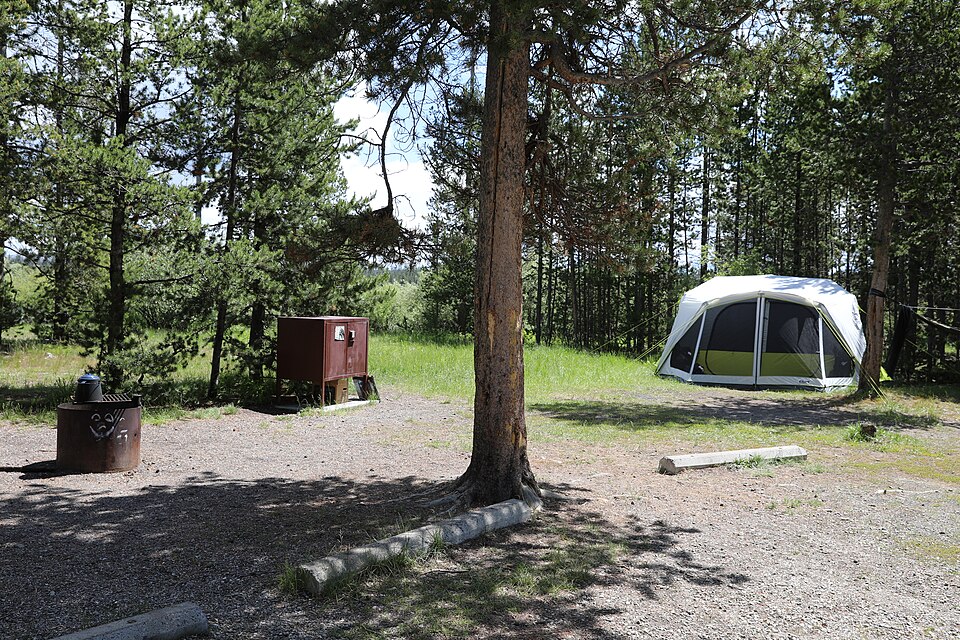
Lock in a stay for this season
Harvest Hosts stays on the way to Katmai National Park
Partner link · Harvest Hosts
Winter and the Off-Season Reality
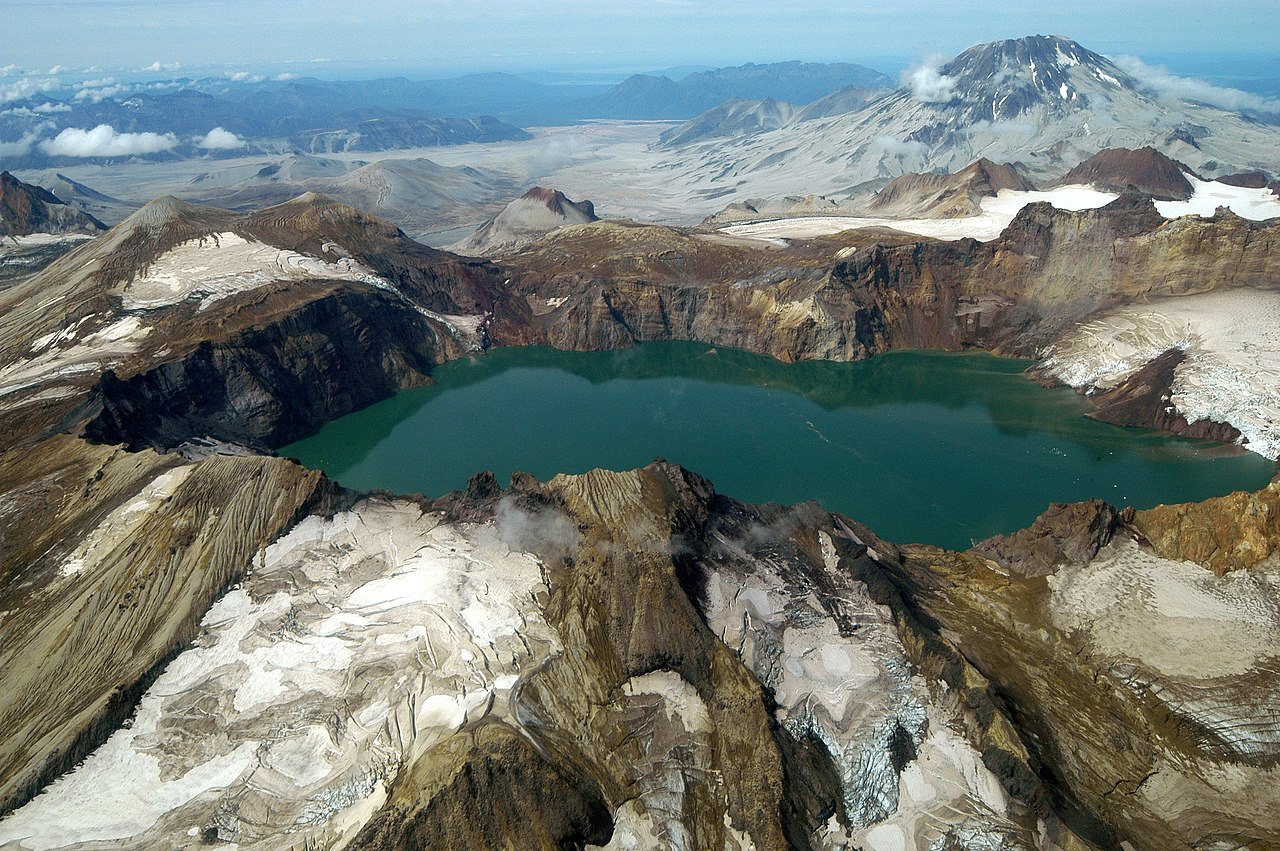
From October through May, Katmai returns to a state of deep isolation. The bears retreat to their dens high in the mountains, and the volcanic valleys are buried under deep snow. During these months, the park is essentially inaccessible to the average traveler. Transportation via air taxi becomes extremely limited due to harsh winter storms and short daylight hours. There are no maintained facilities, and the extreme cold poses significant risks for those not expert in Arctic survival.
Most visitors find that the logistical hurdles of a winter visit outweigh the benefits, as the primary attractionsâthe bears and the accessible hiking trailsâare unavailable. If you are looking for the classic Katmai experience, it is best to stick to the June through September window. However, the anticipation of the spring thaw keeps the spirit of the park alive throughout the dark months, as the ecosystem prepares to reset for the next arrival of the salmon and the awakening of the coastal giants.
Managing Reservations and Crowds
Because Katmai is one of the most unique destinations in the National Park System, demand for space is incredibly high. If you want to stay within the park at the established lodge or campground, you often need to enter a lottery or book your spot nearly a year in advance. Day-trippers flying in from Anchorage or Homer have more flexibility, but even those flights fill up months ahead during the peak July season.
To avoid the heaviest crowds, consider scheduling your trip for the shoulder weeks in late June or early September. Always check the official NPS site for current conditions and reservation requirements before finalizing your plans. Costs for these trips are generally high due to the necessity of air travel; you should budget for several hundred dollars per person for the bush plane flights alone. By planning ahead and understanding the seasonal cycles, you ensure that your time in this wild corner of Alaska is spent watching the wonders of nature rather than navigating logistical headaches.
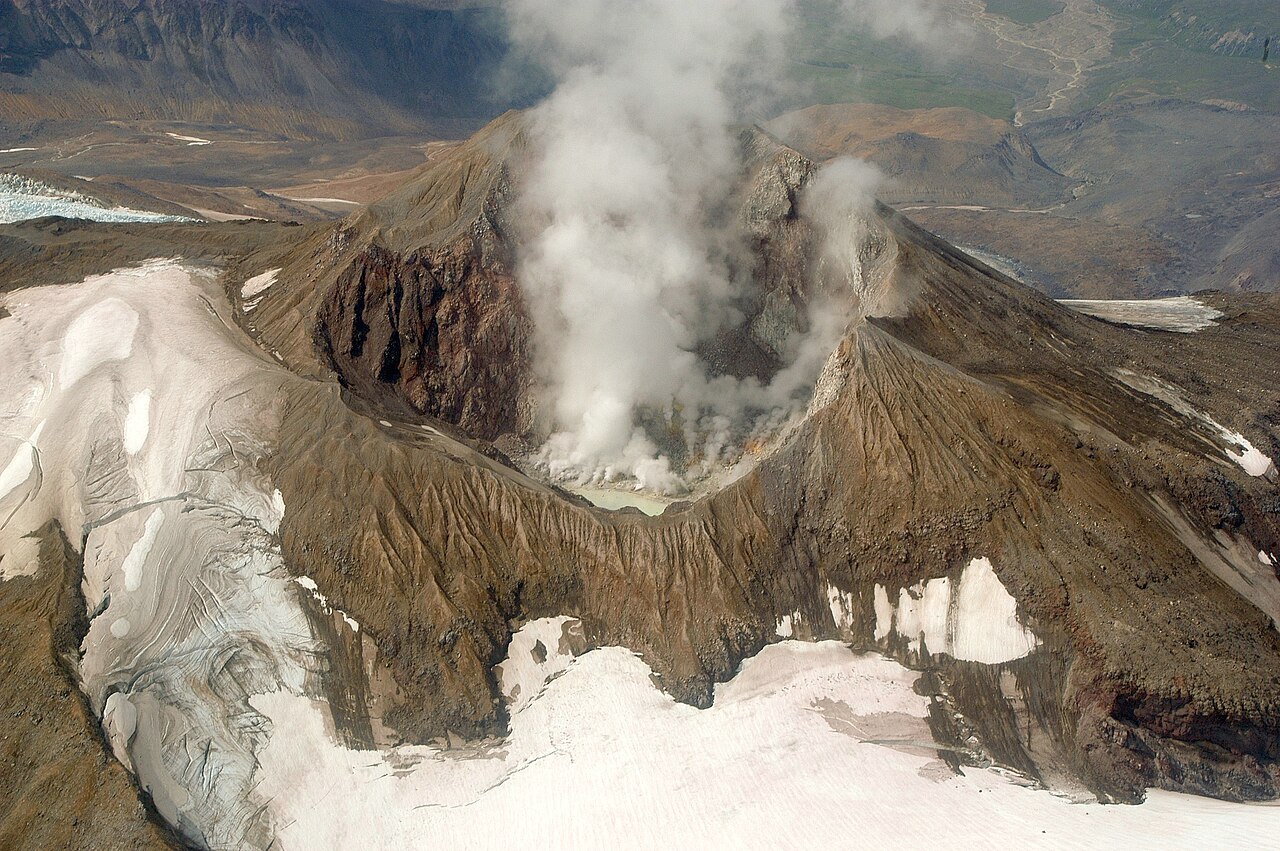
Book this experience
Valley of Ten Thousand Smokes Tour
Varies (estimate) · Partner link · Viator
More ways to book Katmai National Park
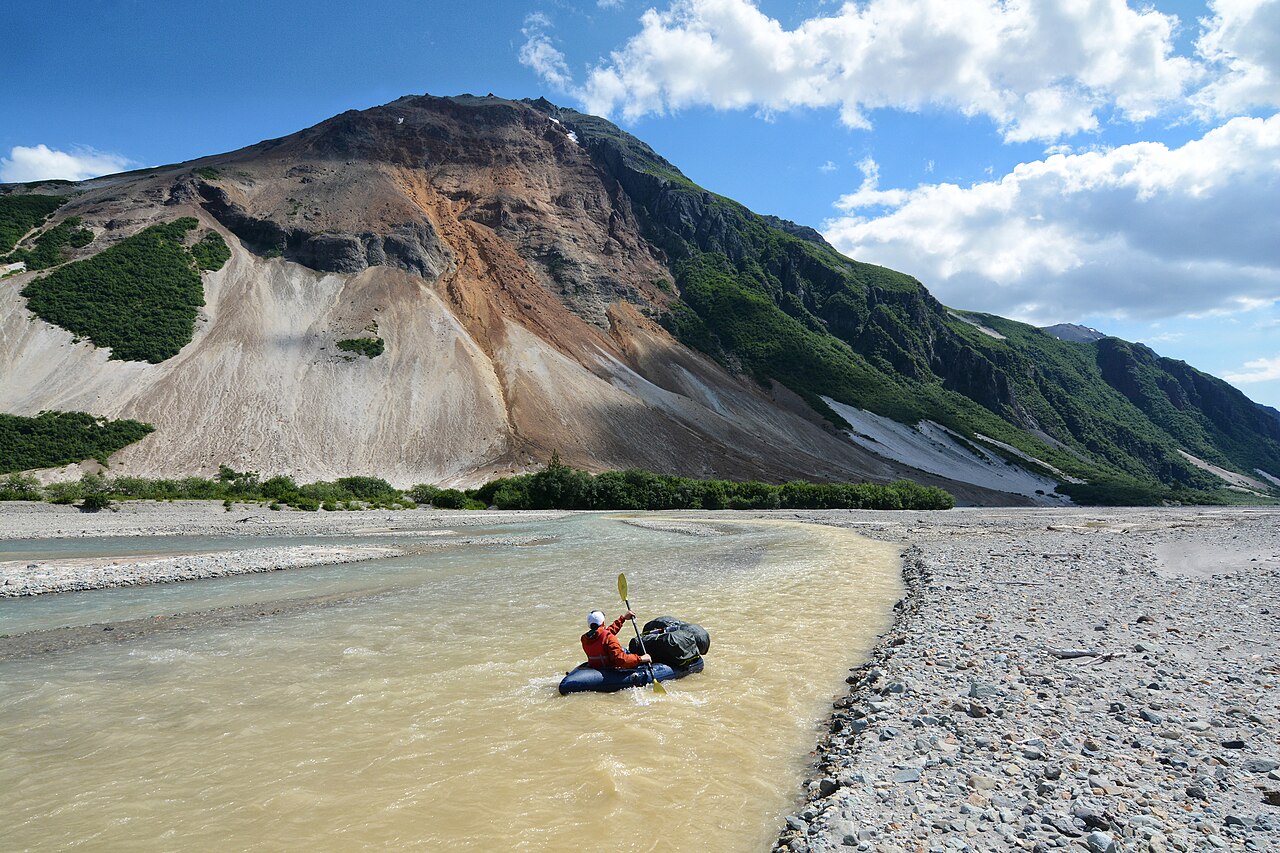 Illustrative · Paxson Woelber
Naknek Lake Kayaking
One of the classic ways to experience Katmai.
Varies (estimate)
Partner link · Viator