
Kanab glamping can mean a furnished canvas tent, a cabin-style retreat, or another outdoor-focused stay that reduces the gear you need to bring. The important distinction is not the label but the actual setup: cooling, heat, bathroom access, and road conditions matter in this desert climate. Choose a location around your planned outings, and think of the accommodation as part of the trip rather than just a place to sleep.
What a Glamping Stay Actually Includes
Around Kanab, outdoor-oriented lodging can range from simple furnished sleeping spaces to units with private bathrooms and climate control. Listings may use the same glamping label for very different experiences. Read the amenities carefully instead of assuming that a real bed also means plumbing, reliable cooling, or an indoor kitchen.
Ask whether bathrooms are private, shared, or reached by an outdoor walk. Confirm bedding, towels, drinking water, electricity, charging outlets, and any cooking equipment you expect to use. For canvas structures, find out how heating or cooling works and whether it is adequate for the season you have chosen.
Desert wind, dust, and temperature changes remain part of the experience even with comfortable furnishings. Look for clear information about shade, weatherproof storage, and parking distance from the unit. Photos of sunset seating are useful, but a floor plan and a complete amenity list usually answer more practical questions.
Choosing Between Kanab, Fredonia, and the Western Gateways
A stay in or immediately around Kanab is convenient for restaurants, supplies, local trails, and drives in several directions. This is often the simplest choice for a short visit or for travelers who want dinner in town after hiking. Check the address carefully: a property marketed as near Kanab may sit well outside the town itself.
Fredonia, just across the Arizona state line, can fit routes approaching from the south. Remember that most of Arizona follows a different daylight-saving pattern from Utah, which can complicate check-in and activity times during part of the year.
West of Kanab, the Mount Carmel Junction and Orderville areas may suit an itinerary weighted toward Zion’s east side. They are separate bases, not interchangeable neighborhoods of Kanab. Compare the actual route to each planned outing, and confirm whether the final approach uses pavement, gravel, steep grades, or roads affected by rain.
Match Your Accommodation to the Season
Spring and fall are appealing for outdoor-focused stays because many days suit hiking and evenings spent outside. Even then, overnight temperatures can drop substantially. A heated unit and warm bedding may matter more than an elaborate patio, especially early in spring or late in fall.
Summer requires closer attention to shade and cooling. A canvas tent can become uncomfortable during the afternoon, and a fan is not equivalent to air conditioning. Ask how the sleeping space is ventilated, whether cooling runs continuously, and where you can retreat during the hottest part of the day.
Winter glamping needs a more deliberate setup. Confirm operating dates, dependable heat, weather-protected bathrooms, and access after snow or freezing conditions. Water systems and shared facilities may have seasonal limitations. In every season, review wind and precipitation forecasts before arrival, and check official park or NPS sites for current conditions affecting your planned outings.
Glamping Versus Tent Camping and RV Travel
Glamping works well when you want an outdoor setting without flying with bulky camping equipment or spending your first evening assembling a campsite. It can also suit mixed-interest groups, provided everyone understands the bathroom arrangement and the amount of weather exposure. Expect comfort to vary more than the marketing term suggests.
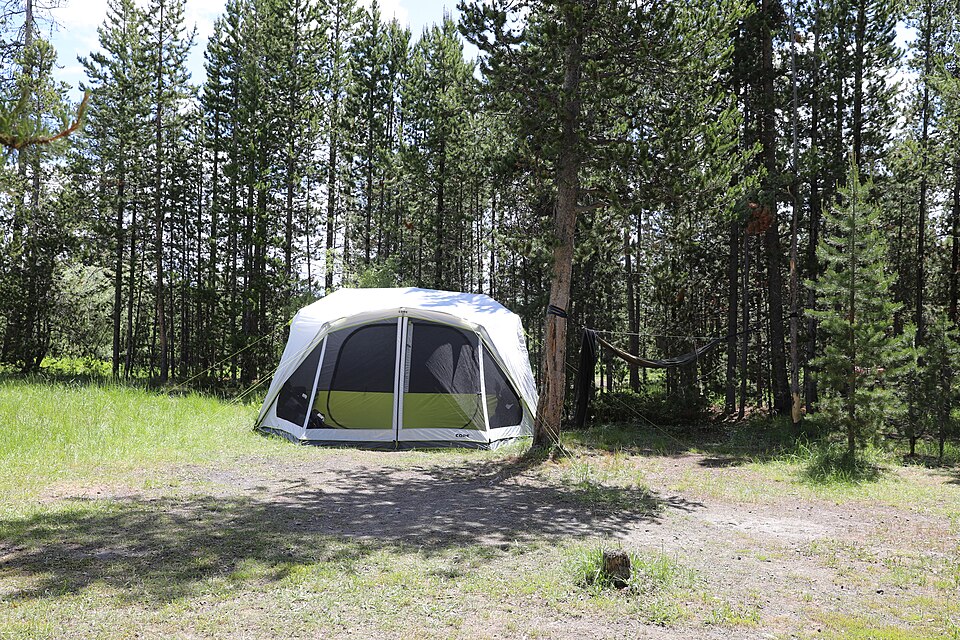
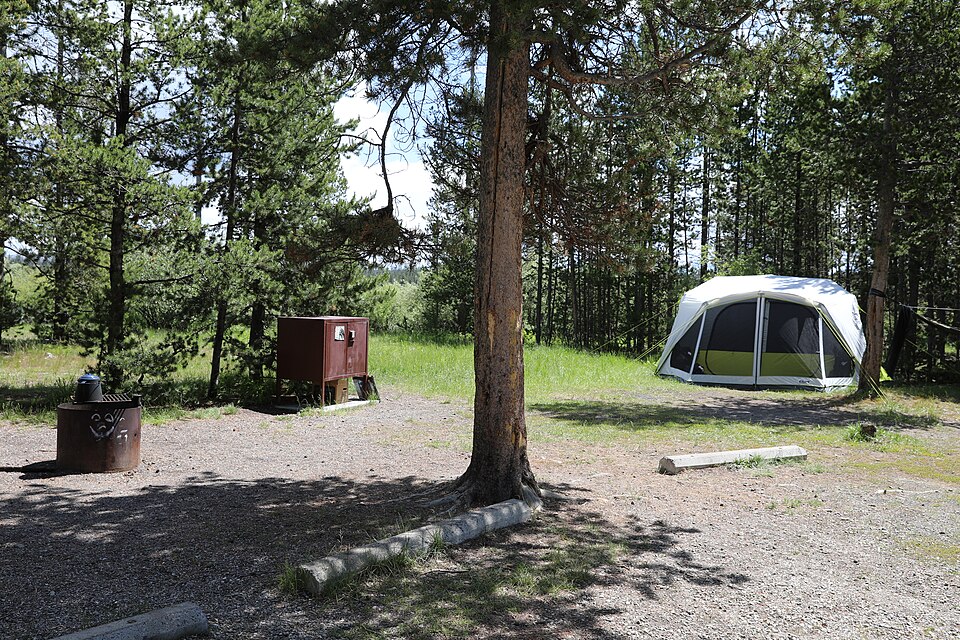
Tent camping gives you greater control over your gear and may have a lower nightly cost, but that is only a rough comparison. Equipment purchases, campsite fees, and transportation can change the total. Established campgrounds have specific rules, and public land does not automatically mean unrestricted camping.
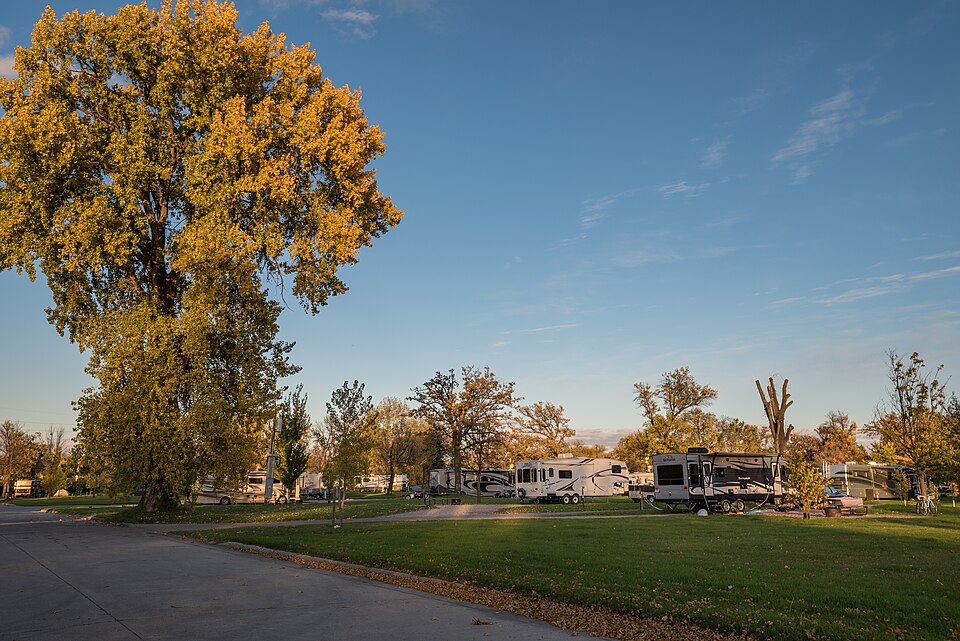
An RV adds shelter and storage but also brings vehicle-size limits, fuel use, hookups, and wastewater planning. Not every scenic access road or campground accommodates larger rigs. Compare total trip logistics rather than the nightly rate alone, and verify campground reservations and regulations directly with the official land manager.
Booking Questions That Prevent Surprises
Before booking, request the full cost breakdown and read the cancellation policy, especially if your stay depends on a remote access road. Rates vary by season, unit type, occupancy, and amenities, so any comparison should be treated as a rough estimate rather than a promised saving. Ask about cleaning charges, pet rules, and minimum stays.
Confirm whether meals are available or whether you need to bring groceries. If cooking is permitted, learn which appliances are provided and whether outdoor flames are restricted. Desert fire restrictions can change; a fire pit pictured in a listing does not guarantee that you may use it.
Also check cellular coverage, internet availability, quiet-hour policies, and late-arrival instructions. Save directions offline and plan your first approach in daylight when possible. Reserve popular travel dates ahead, but keep your activity schedule adaptable. Check official park, NPS, and state park websites for current conditions and required reservations.