
Choosing the best time to visit Jemez Mountains depends largely on your interest in high-altitude adventure versus cozy thermal relaxation. This volcanic range in Northern New Mexico offers a distinct four-season experience, where the air stays crisp even when the desert lowlands swelter. Visitors typically find the window from late spring through early autumn to be the most accessible for hiking the Valles Caldera or exploring the deep canyons. Because weather shifts quickly at seven thousand feet and above, timing your arrival ensures you enjoy the best trail conditions and clearest skies.
Summer Highs and Monsoon Rains
Summer is widely considered the best time to visit Jemez Mountains for those seeking an escape from the intense heat of Santa Fe or Albuquerque. From June through August, the high-elevation meadows of the Valles Caldera are lush and green, offering ideal conditions for mountain biking and wildlife viewing. Temperatures during the day rarely exceed the mid-eighties, making it a paradise for hikers who want to tackle the steeper trails without the risk of overheating. However, visitors must be prepared for the Southwestern monsoon season, which typically begins in July.
During this time, afternoon thunderstorms are common and can develop rapidly, bringing heavy rain and occasional lightning. It is wise to plan your most strenuous outdoor activities for the morning hours to avoid being caught on an exposed ridge during a storm. The moisture during this season keeps the wildflowers blooming and the forest smelling of pine and damp earth, adding a refreshing layer to the high-desert experience.
Lock in a stay for this season
RV parks near Jemez Mountains on RoverPass
Partner link · RoverPass
Fall Foliage and Elk Bugling
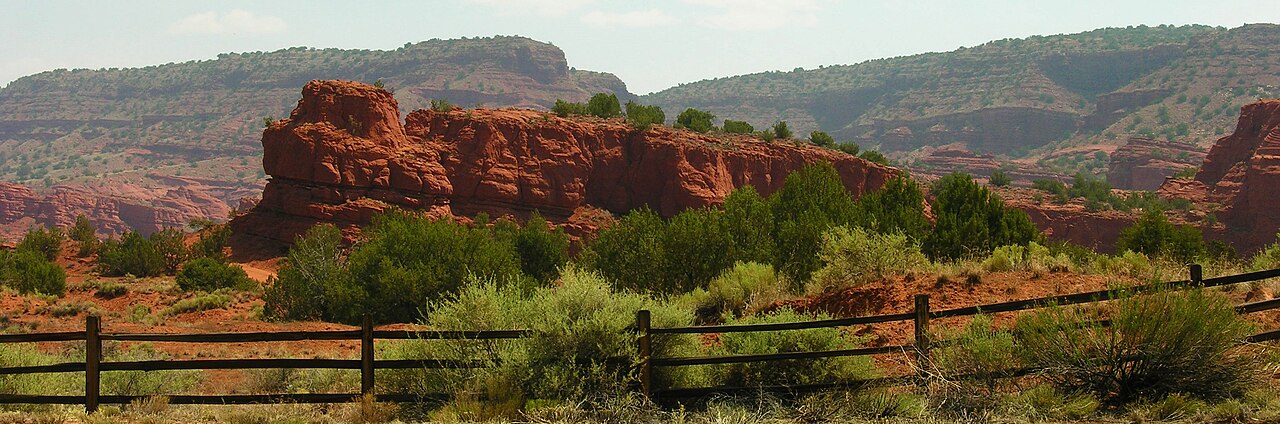
September and October represent a magical transition in the Jemez. As the temperatures begin to dip, the gamble of visiting during the shoulder season pays off with spectacular displays of golden aspens and deep orange gambel oaks. This is arguably the most scenic period for photography, as the lighting becomes softer and the backdrop of the red rock canyons contrasts sharply with the changing leaves.
Beyond the visuals, fall is the season of the elk rut. The Valles Caldera National Preserve becomes a theater of sound as bull elk bugle across the expansive meadows to attract mates. This natural phenomenon attracts many wildlife enthusiasts, so expect a bit more traffic along the scenic overlooks during the weekends. The air turns brisk once the sun sets, requiring travelers to pack warm layers for evening stargazing. While the days are generally dry and sunny, early frosts are common, and the first dusting of snow on the peaks usually appears by late October, signaling the end of the primary hiking season.
Lock in a stay for this season
Campsites near Jemez Mountains on Campspot
Partner link · Campspot
Winter Solitude and Hot Spring Soaks
Winter in the Jemez Mountains is a quiet, contemplative season that caters to those who enjoy snowy landscapes and thermal waters. While many of the high-elevation forest roads close for the season, the main highway through Jemez Springs remains accessible, offering a gateway to steaming natural pools. Soaking in a hot spring while snow falls on the surrounding ponderosa pines is a quintessential New Mexico experience.
For active travelers, the Valles Caldera offers opportunities for cross-country skiing and snowshoeing across the vast volcanic crater, provided there is sufficient snowpack. The crowds thin out significantly, offering a sense of solitude that is hard to find during the summer months. It is important to note that driving conditions can become treacherous quickly; four-wheel drive and snow tires are highly recommended for anyone navigating the mountain passes during these months. Always check the National Park Service or Forest Service websites for road closures before heading out, as high-altitude sections of Highway 4 can be icy and unpredictable.
Lock in a stay for this season
Harvest Hosts stays on the way to Jemez Mountains
Partner link · Harvest Hosts
Spring Awakening and Mud Season
Spring is a period of rapid change and can be the most unpredictable time to visit the Jemez. March and April often see a mix of late-season snowstorms and warm, windy days. As the snow melts, the forest floor awakens with early wildflowers, and the streams run high with runoff, making it a great time for waterfall viewing at sites like Jemez Falls.
However, travelers should be aware of 'mud season.' Many trails, particularly those in shaded canyons or at higher elevations, can remain sloppy and difficult to navigate until well into May. If you plan a trip during this time, stick to lower-elevation paths or the paved scenic byway until the ground dries out. By late May, the Jemez Mountains are fully open for business, with campgrounds beginning to fill and the high-country air reaching a comfortable balance. This is an excellent window for those who want to beat the mid-summer crowds while still enjoying long daylight hours for exploration.
Managing Crowds and Reservations
Because of its proximity to major New Mexico hubs, the Jemez Mountains can see a significant influx of visitors on holiday weekends and during the peak summer months. To ensure a peaceful experience, try to schedule your visit for mid-week. Campgrounds managed by the Forest Service often operate on a first-come, first-served basis, but those available for reservation through federal portals tend to book up months in advance for the summer season.
If you are planning to visit the Valles Caldera National Preserve, keep in mind that vehicle permits for the backcountry road are limited and often require a reservation made well ahead of time. Similarly, local soaking tubs and developed springs in the village of Jemez Springs can reach capacity quickly. Checking official park websites for current conditions and reservation requirements is essential for a smooth trip. By planning ahead, you can enjoy the serenity of the mountains without the stress of missing out on the area's most popular natural attractions.
More ways to book Jemez Mountains
 Illustrative · Ken Lund from Reno, Nevada, USA
Jemez Falls Trail
One of the classic ways to experience Jemez Mountains.
Varies (estimate)
Partner link · Viator