
Itasca State Park is a sprawling natural playground covering over 32,000 acres of pristine Minnesota wilderness. While it is most famous as the site where the Mississippi River begins its journey, the park offers a deep menu of activities that cater to hikers, cyclists, history buffs, and water enthusiasts alike. Surrounded by towering red pines and a network of over 100 lakes, visitors can immerse themselves in the quiet dignity of the Northwoods while exploring one of the oldest protected landscapes in the United States.
Crossing the Mississippi Headwaters
The definitive experience in the park is visiting the Mississippi Headwaters. Located at the northern end of Lake Itasca, this is the precise spot where the river exits the lake and begins its 2,552-mile trek to the Gulf of Mexico. A set of large granite boulders has been placed across the stream, allowing visitors to literally walk across the mighty Mississippi in just a few steps. It is a tradition for travelers to snap a photo next to the iconic yellow-and-brown wooden sign that marks the river's source.
Beyond the photo opportunity, the Mary Gibbs Mississippi Headwaters Center provides excellent interpretive exhibits. Here, you can learn about the geological history of the region and the cultural importance of the river to Indigenous peoples and early explorers. The area around the headwaters features paved, accessible paths and a gift shop, making it a comfortable spot for visitors of all ages to spend an afternoon. Even during busy times, the sound of the water trickling over the rocks provides a sense of peace and continuity that defines the Itasca experience.
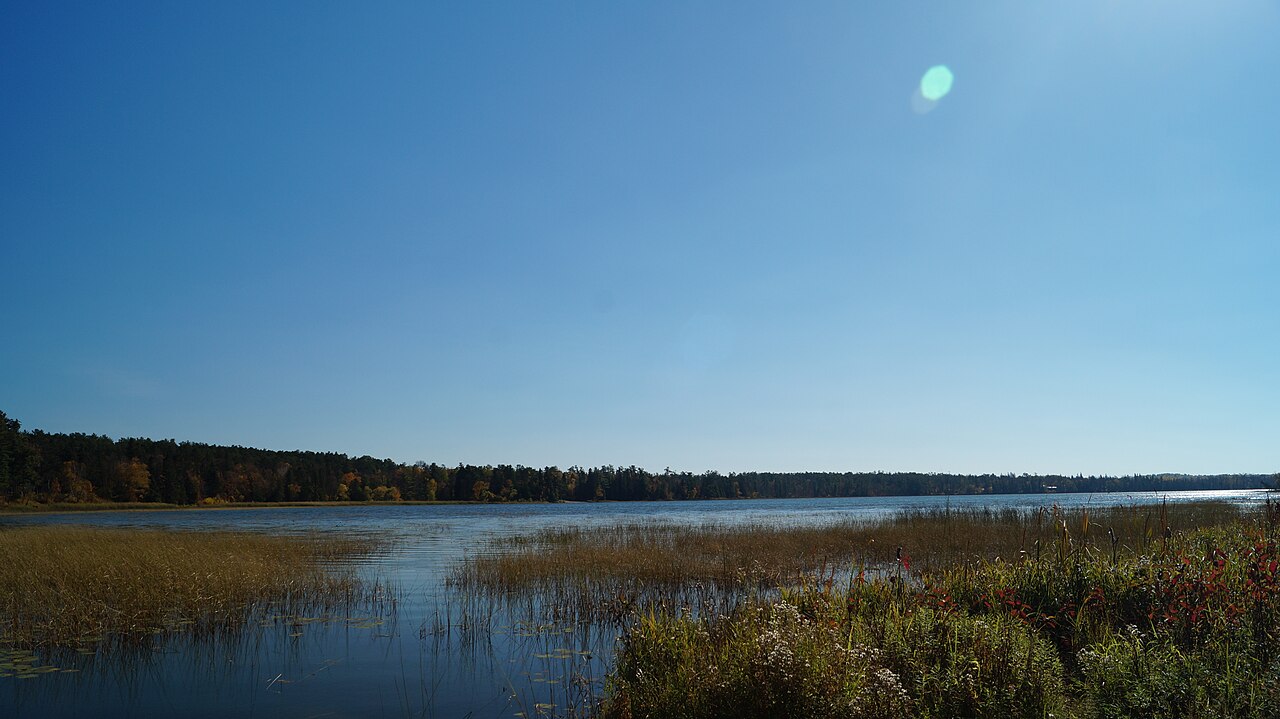
Cycling the Wilderness Drive
One of the best ways to see the parkâs diverse ecosystems is by cycling. Itasca features a fantastic 16-mile paved loop known as Wilderness Drive, which takes you through heart-stopping stands of old-growth forest. The trail is shared with slow-moving vehicles, but the speed limit is low, making it a safe and scenic ride for cyclists. For those who prefer a dedicated path, the park offers over 6 miles of designated bike trails that connect the main activity hubs.
Along the drive, you will encounter several must-see stops. Preacherâs Grove is a famous stand of towering red pines that survived early logging efforts; the cathedral-like atmosphere beneath the high canopy is breathtaking. Another essential stop is the Bohall Wilderness Sanctuary, where you can see what the Minnesota landscape looked like before European settlement. If you didnât bring your own bike, the parkâs rental facility near the boat landing offers a variety of options, including cruisers and mountain bikes, typically available throughout the summer season. Biking allows you to cover more ground than hiking while still feeling connected to the sights and sounds of the forest.
Hiking the Northwoods Trails
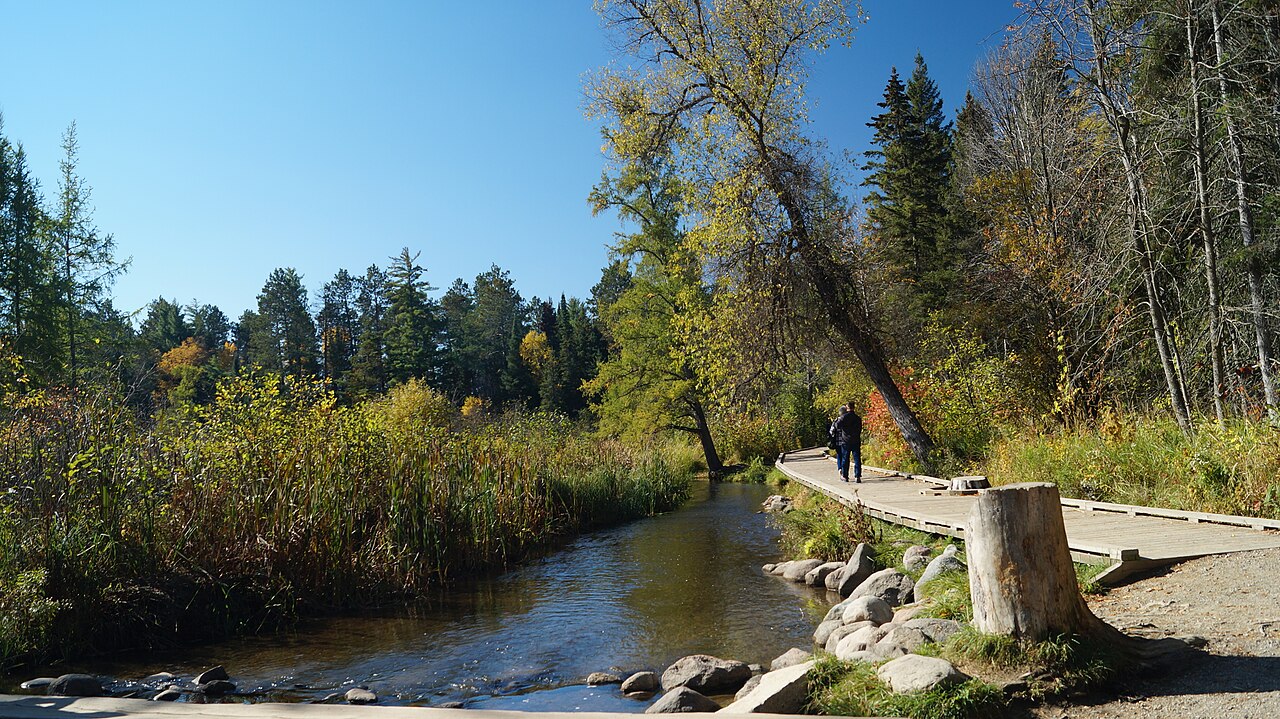
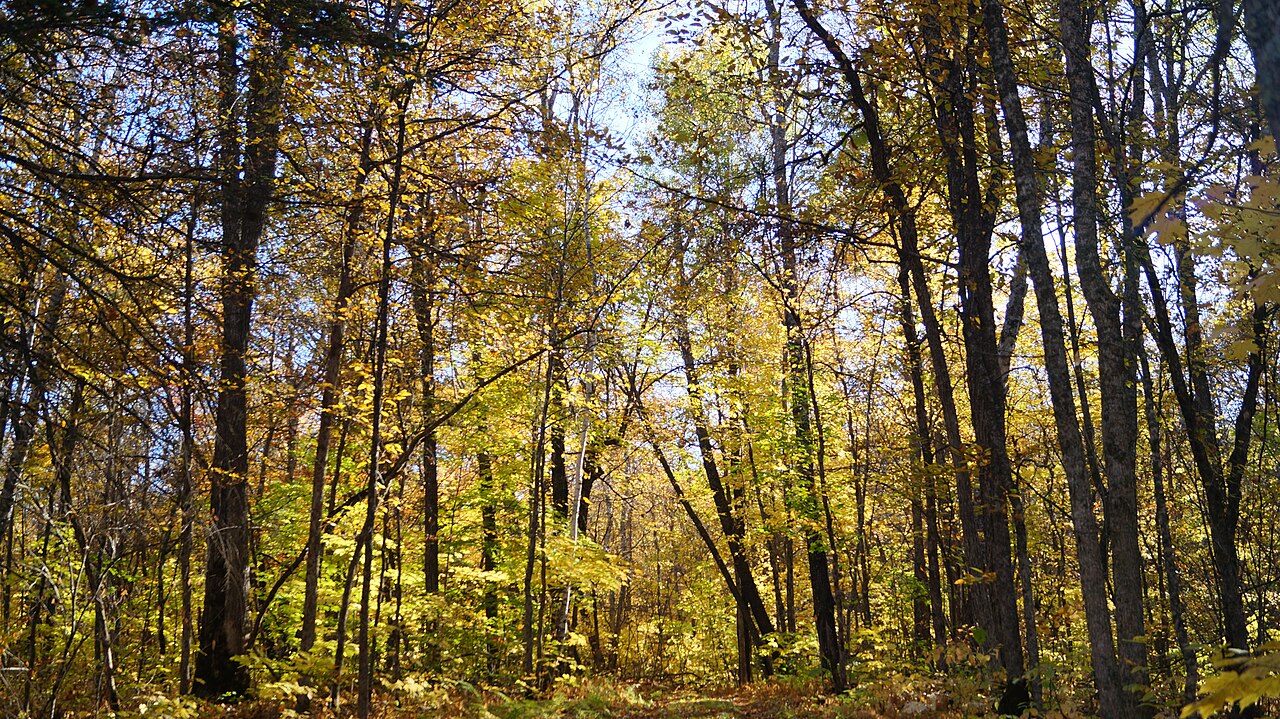
With over 49 miles of hiking trails, Itasca is a hiker's paradise. The trails range from easy boardwalks to more challenging treks through rugged terrain. A highlight for many is the climb to the Aiton Heights Fire Tower. If you aren't afraid of heights, climbing the tower provides a stunning 360-degree view of the park's forest canopy and the many hidden lakes that aren't visible from the road. It is especially popular during the fall color season when the landscape is a mosaic of firey hues.
For those interested in the park's ancient history, the Brower Trail offers a scenic route along the eastern shore of Lake Itasca, passing by historic sites and providing great views of the water. If you are looking for a shorter walk, the Landmark Trail takes you through some of the park's most significant pine stands. Keep an eye out for local wildlife; it is common to spot white-tailed deer, bald eagles, and even the occasional porcupine or black bear. Always remember to wear sturdy shoes and carry a map, as the dense forest can sometimes make navigation tricky for the unprepared.
Water Activities and Lake Exploration
Water is the lifeblood of Itasca, and getting out on Lake Itasca is a highlight for many visitors. You can rent canoes, kayaks, and paddleboards to explore the shoreline at your own pace. The calm, clear waters are perfect for a quiet morning paddle when the mist is still rising off the surface. For a more educational experience, the Chester Charles II excursion boat offers narrated tours of the lake, providing insights into the parkâs history, biology, and the story of the explorers who searched for the river's source.
Fishing is another popular pastime, with Lake Itasca and Mary Lake being the primary spots for catching walleye, northern pike, and large-mouth bass. There are several fishing piers located around the park for those who prefer to stay on shore. Swimming is available at the designated beach area near the picnic grounds, offering a refreshing break on a hot summer day. Whether you are actively fishing or just drifting in a kayak, the connection to the water is what makes Itasca feel like a true escape from the modern world.
Rainy Day Options and Indoor Learning
If the weather turns sour, Itasca still has plenty to offer. The Jacob V. Brower Visitor Center is an excellent refuge, featuring a large exhibit hall that explains the natural and cultural history of the park. You can spend hours looking at the interactive displays or watching films about the area's significance. The building also houses a cozy fireplace and large windows for birdwatching from the comfort of the indoors.
Another great rainy-day destination is the historic Douglas Lodge. Built in 1905, the lodge is a masterpiece of log construction and features a grand lobby and a restaurant where you can enjoy a meal with a view of the woods. Exploring the lodgeâs architecture provides a sense of the early days of American park tourism. Additionally, the nearby gateway towns like Park Rapids or Bemidji offer local museums, antique shops, and indoor dining options that can round out a trip when the Minnesota clouds decide to open up. Regardless of the rain, the scent of the pine forest after a storm is an experience in itself.