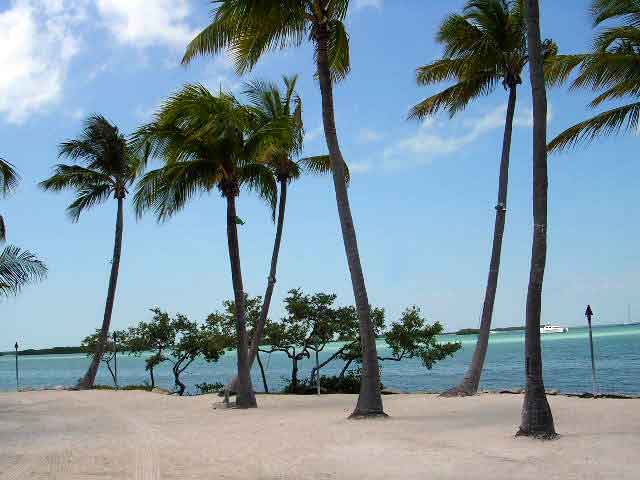
Islamorada is a subtropical paradise where the rhythm of the tides dictates the flow of daily life. Choosing when to travel depends largely on whether you are seeking world-class tarpon fishing, calm seas for snorkeling, or a quiet escape from the winter chill of the north. While the Florida Keys remain warm year-round, the transition between the breezy winter months and the humid summer doldrums creates distinct experiences for every traveler visiting this string of islands.
The Peak Winter and Spring Season
From December through May, Islamorada experiences its most popular weather window. During these months, the humidity is significantly lower, and daytime temperatures hover comfortably in the mid-70s to low 80s. This is widely considered the best time to visit Islamorada because the air is crisp and the mosquito activity is at its lowest. Many travelers flee the freezing temperatures of the Northeast and Midwest to enjoy the sunshine and open-air dining along the Overseas Highway. Because this is the high season, you should expect more traffic on the two-lane roads and a busier atmosphere at popular marinas.
Outdoor enthusiasts favor this window for backcountry fishing, as the cooling waters bring in a variety of species. However, it is important to note that occasional cold fronts can bring briefly windy conditions, which might stir up the water and affect visibility for snorkelers at Alligator Reef. Despite this, the consistent sunshine makes it the gold standard for Florida Keys vacations.
Summer Heat and Water Activities
Summer in the Keys, spanning from June through August, is characterized by soaring temperatures and high humidity. While the air might feel heavy, this is actually the prime season for underwater exploration. The ocean becomes incredibly calm, often resembling a sheet of glass, which provides the crystal-clear visibility that divers and snorkelers crave. During these months, the water temperatures rise into the mid-80s, making it feel like a warm bath. It is the perfect time for long days spent at the sandbar or paddling through the thick mangroves of the inner bay.
While the heat can be intense, the lack of wind makes it the ideal time for offshore fishing for mahi-mahi. Visitors should be prepared for the typical Florida afternoon rain shower, which usually passes quickly but provides a brief, cooling respite. If you plan to visit during the summer, prioritize water-based activities during the middle of the day to stay cool, and always keep an eye on the tropical weather forecasts.
Fall Transitions and Hurricane Season
September through November represents a significant transition in the Keys. This period coincides with the peak of the Atlantic hurricane season, which means travelers should be aware of weather alerts and consider flexible booking options. However, for those willing to monitor the forecast, fall can be a rewarding time to visit. The frantic crowds of summer disappear, leaving the islands feeling much more local and serene. You will find it much easier to secure a table at waterfront restaurants or find a quiet spot on the dock to watch the sunset.
The humidity begins to break toward the end of October, and the first hints of cooler breezes arrive in November. This is an excellent time for birdwatching as migratory species move through the Florida Coastal Islands National Wildlife Refuge. While some local shops take short breaks during the quiet month of September, most of Islamorada remains open, offering a slower pace of life that reflects the true spirit of the island chain.
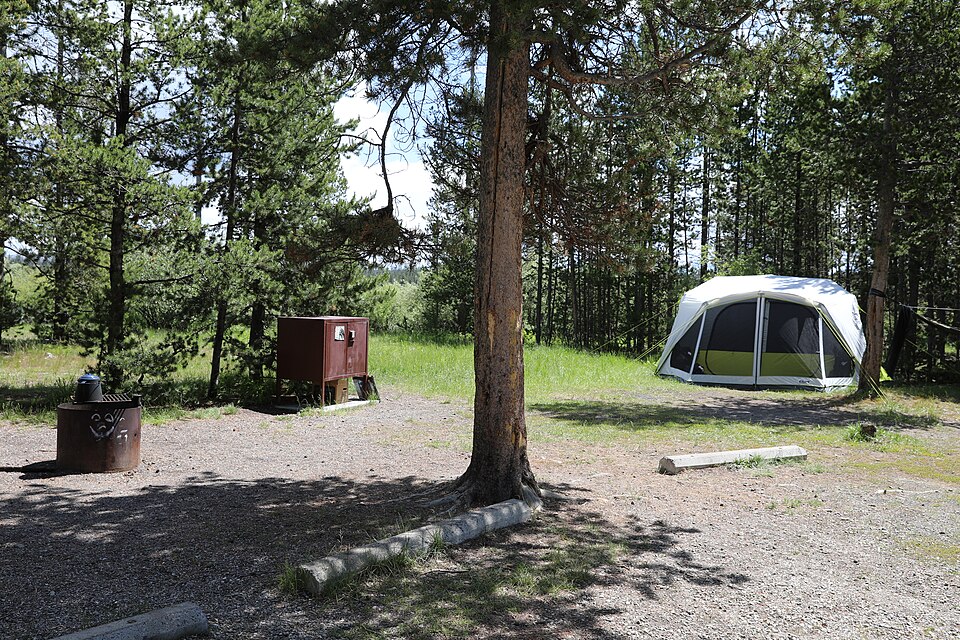
Lock in a stay for this season
Harvest Hosts stays on the way to Islamorada
Partner link · Harvest Hosts
Managing Crowds and Local Events
Crowd levels in Islamorada are heavily influenced by the school calendar and major fishing tournaments. Holiday weekends, such as Presidentâs Day, Easter, and Memorial Day, see a significant influx of visitors from the Florida mainland, particularly Miami and Fort Lauderdale. If you prefer a quieter experience, try to schedule your visit for mid-week rather than the weekend. The 'Sportfishing Capital of the World' also hosts various prestigious tournaments throughout the year, which can fill up boat slips and lodging months in advance.
To ensure you get the most out of your trip, check the local calendar for events like the seafood festivals or art walks in the Morada Way Arts & Cultural District. These community gatherings are fantastic for experiencing local culture but do draw larger groups. Planning your arrival to avoid the Friday afternoon southward rush from Miami will also save you time and stress, allowing you to settle into the island lifestyle immediately upon crossing the bridge into the Keys.
Planning Ahead and Reservations
Because Islamorada is a relatively small community with limited land area, accommodations and services can book up quickly, especially during the December to May peak. For winter travel, it is wise to start your search at least four to six months in advance to secure your preferred location. This is particularly true if you are looking for specific amenities like a private boat dock or a sunset-facing balcony. Charter captains also see their calendars fill up fast during the spring run, so reach out early if you have your heart set on a specific guide.
Always consult the official National Park Service or state park websites if you plan to visit nearby protected areas like Lignumvitae Key Botanical State Park, as tour schedules can change based on the season. Reservations for state park tours are often required and can be limited in capacity. By planning ahead, you ensure that you spend your time relaxing on the water rather than navigating the logistics of a fully booked island.
More ways to book Islamorada
 Illustrative · Florida Keys--Public Libraries
Fishing the Islamorada Humps
One of the classic ways to experience Islamorada.
Varies (estimate)
Partner link · Viator