
For those who want to immerse themselves in the beauty of the Northwest Iowa prairies without sacrificing modern comforts, Iowa Great Lakes glamping offers the perfect middle ground. This style of travel allows you to wake up to the sound of meadowlarks and the smell of lake air while enjoying a comfortable bed and sheltered space. Whether it is a luxury yurt near the wetlands or a refurbished vintage trailer, glamping is a growing way to experience this classic vacation spot.
What Glamping Looks Like in the Lakes Region
In the Iowa Great Lakes, glamping typically means staying in structures that bridge the gap between a traditional tent and a lakeside resort hotel. You might find safari-style canvas tents erected on wooden platforms, often equipped with real mattresses, linens, and sometimes even small cooling units for the humid Iowa summers. These sites are designed to give you a front-row seat to the natural landscapeâthink sunset views over the tallgrass prairie or star-filled nights away from the bright lights of the Arnolds Park boardwalk.
Many glamping setups in this region emphasize a connection to the environment. They are often located on the fringes of state parks or on private land near the smaller lakes like Center Lake or Minnewashta. This provides a quieter experience than the large, bustling RV parks found closer to the main tourist hubs. Itâs an ideal choice for couples looking for a romantic retreat or families who want the adventure of camping without the hassle of hauling and pitching their own gear.
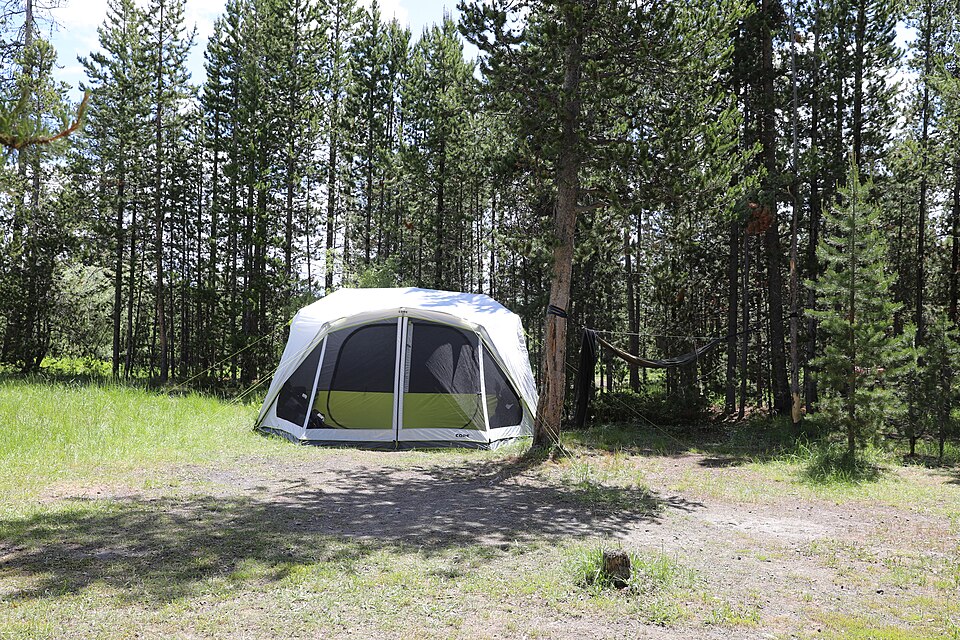
Top Gateway Areas for Glamping
When searching for Iowa Great Lakes glamping opportunities, focus your search around the gateway cities of Spirit Lake, Okoboji, and Milford. The areas surrounding Spirit Lake offer a more rustic and expansive feel, with proximity to the large Big Spirit Lake and several wildlife management areas. This is where you are likely to find glamping sites that cater to birdwatchers and those who enjoy the solitude of the northern marshes.
Alternatively, the area near Milford and the southern end of the lake chain offers closer access to the Dickerson County Trail system. Staying in this area allows glampers to easily bike into town for dinner and then retreat to their quiet, elevated campsite for the evening. While the central hub of Arnolds Park is mostly known for traditional hotels and historic cottages, the nearby rural landscapes are increasingly hosting unique, upscale outdoor accommodations that take advantage of the rolling Iowa hills and hidden prairie potholes.
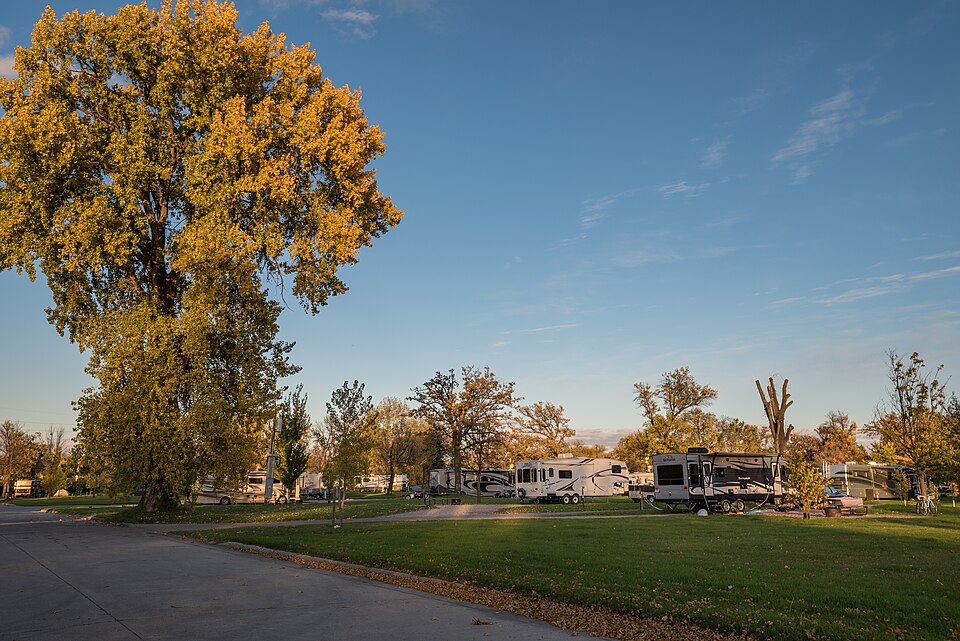
Glamping vs. Traditional Camping and RVing
Choosing glamping over traditional camping or RVing comes down to your desired level of convenience and connection to nature. Traditional camping at Gull Point State Park is a wonderful, budget-friendly way to see the lakes, but it requires significant equipment and preparation. RVing is incredibly popular in Northwest Iowa, with many parks offering full hookups for large rigs, but it can sometimes feel like youâre bringing your living room with you rather than escaping to the outdoors.
Glamping offers a "turn-key" outdoor experience. You don't need to worry about the weather as much as you would in a standard nylon tent, and you avoid the mechanical maintenance associated with an RV. For many, the appeal lies in the aesthetic and the curated experienceâthink Edison bulb lighting, artisanal coffee setups, and fire pits already stocked with wood. It is a way to enjoy the ruggedness of the Iowa outdoors while maintaining the comfort levels of a high-end boutique hotel.
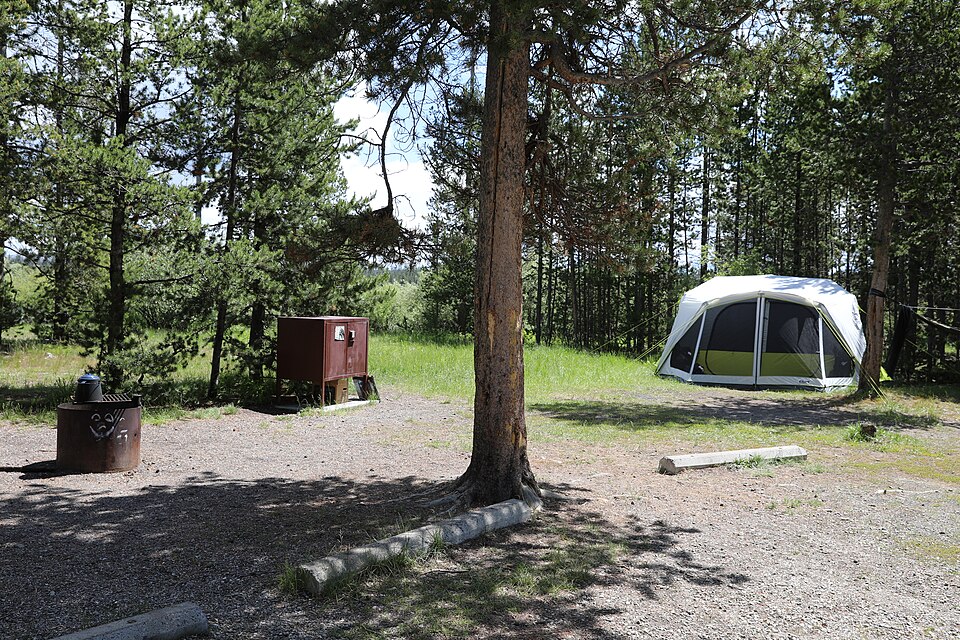
The Glamping Season and Weather Prep
The primary season for Iowa Great Lakes glamping mirrors the traditional summer tourism window, running from late May through September. Because many glamping structures are canvas-walled or lack heavy insulation, they are most comfortable when nighttime temperatures stay above 50 degrees Fahrenheit. However, some high-end yurts or cabins in the area may offer heating, extending the season into the beautiful autumn months when the prairie grasses turn golden.
Even when glamping, it is important to be prepared for the variability of Midwestern weather. Thunderstorms can roll through Northwest Iowa quickly, especially in June and July. Most glamping sites are built to be sturdy, but you should always check the weather forecast and understand the siteâs safety protocols for high winds. Bringing layers is also recommended; even after a hot 90-degree day, the temperature near the water can drop significantly once the sun goes down, making a cozy sweater essential for sitting by the evening campfire.
Planning and Booking Your Glamping Trip
Because glamping is a specialized and increasingly popular niche in the Iowa Great Lakes region, sites are often limited and book up quickly. It is wise to start looking for reservations at least four to six months in advance, especially if you plan to visit during the peak of summer or during local events like the Okoboji Blue Water Festival. Prices for glamping can vary widely, but you should generally budget more than a standard tent site, reflecting the added amenities and service.
When booking, always use reputable platforms or official park reservation systems. Be sure to check what is included in your stayâsome glamping sites provide everything from towels to cooking utensils, while others may only provide the shelter and bed. Checking the official state park or DNR websites is also a good habit to stay informed about any local fire bans or park alerts that might affect your stay. By doing a little bit of homework, you can ensure your glamping experience is a seamless blend of Iowaâs natural beauty and modern luxury.