
Hudson Valley glamping can mean a furnished canvas tent, a small cabin, or another outdoor-focused stay with more comfort than a basic campsite. The details matter more than the label: bathrooms, heating, cooking facilities, and road access vary widely. For a two- to four-day mountain weekend, choose the area around your main hikes first, then compare accommodations by their actual amenities and travel time rather than their photos alone.
What a Glamping Stay Actually Includes
Around the Hudson Valley, outdoor lodging ranges from tent-style accommodations with real beds to cabins with enclosed living space. Some stays include private bathrooms and kitchenettes; others rely on shared bathhouses and outdoor cooking areas. A listing described as glamping does not automatically include electricity, air conditioning, potable water at the unit, or year-round plumbing. Read the amenity list carefully and ask about anything essential to your trip.
Also check how you reach the accommodation. A parking space beside a cabin creates a different arrival experience from carrying bags along a dark or uneven path. Confirm bedding, towels, food storage, and whether you need to bring cookware. If accessibility matters, request specific details about steps, surfaces, doorway widths, and bathroom layout rather than relying on a broad label. Pictures can show atmosphere, but the written access and facility details determine whether the stay works for your group.
Choose an Area Near the Hikes You Want
New Paltz and Gardiner are practical areas to search when the Shawangunks, Minnewaska State Park Preserve, and Mohonk Preserve are your main goals. Staying on this side of the river can reduce repeated bridge crossings during a hiking-focused weekend. Check the actual address, though: a property marketed with a familiar town name may sit well outside the center or require a longer rural drive than expected.
For a more northern base, look around Kingston, Saugerties, or the Catskill foothills, depending on whether you want river-town visits or mountain outings. These areas are not interchangeable with the Hudson Highlands near Beacon and Cold Spring. If your plans center on the Highlands, search closer to those trail destinations and verify transport before booking. The wider region is large enough that choosing a picturesque stay in the wrong corner can turn a relaxed weekend into several days of driving.
Match the Accommodation to the Season
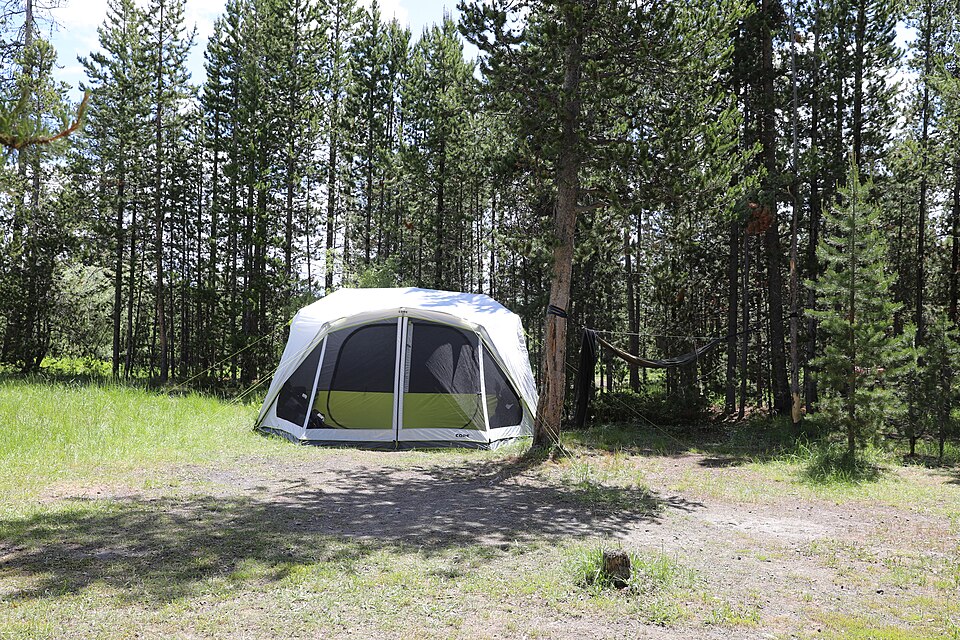
Late spring through early fall generally provides the simplest conditions for tent-style stays, though nights can feel cool and summer can be humid. Ask about ventilation, screens, shade, and rain protection. A furnished tent may still feel very much outdoors during a thunderstorm or a hot evening. Pack layers, a flashlight, and footwear suitable for wet grass or gravel paths between your unit and shared facilities.
Fall brings strong demand for foliage weekends and colder nights, especially away from the river or at higher elevations. Confirm the heating system and whether it is intended for the season you are booking. For winter, enclosed lodging with suitable heating and confirmed water service is a more straightforward choice than assuming a canvas unit remains comfortable. Ask about snow access, parking, and cancellation terms. Check official park websites for current conditions and reservations before planning hikes around your stay.
Glamping Versus Tent Camping and RV Travel
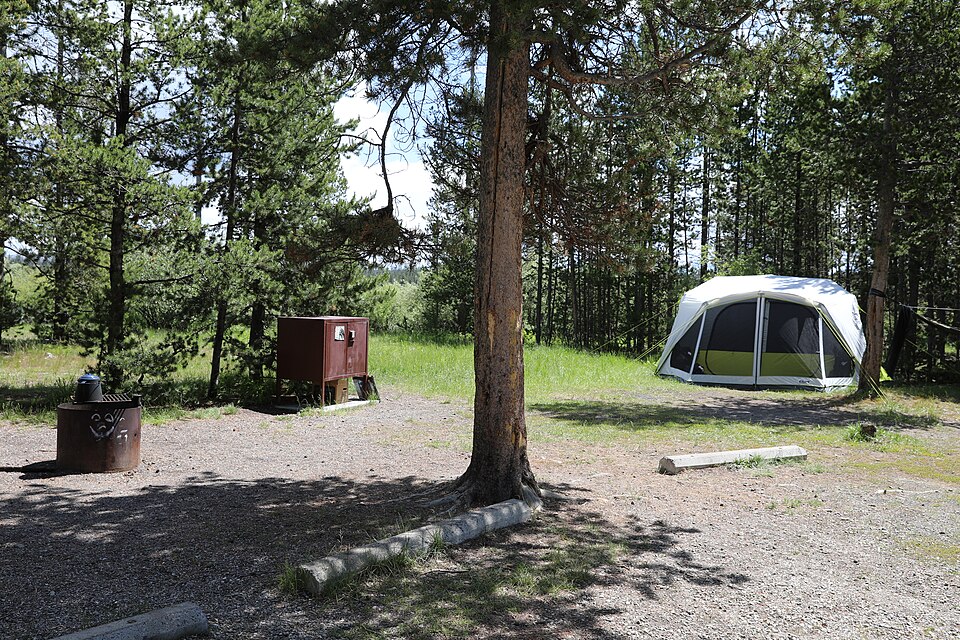
Glamping is useful when you want an outdoor setting without transporting a tent, sleeping pads, and a full camp setup. You may gain a bed and weather shelter while still sharing bathrooms or cooking outside. Traditional tent camping gives you more control over equipment and campsite routines, but requires more packing and preparation. Compare the full setup rather than assuming every glamping stay is more comfortable in every season.
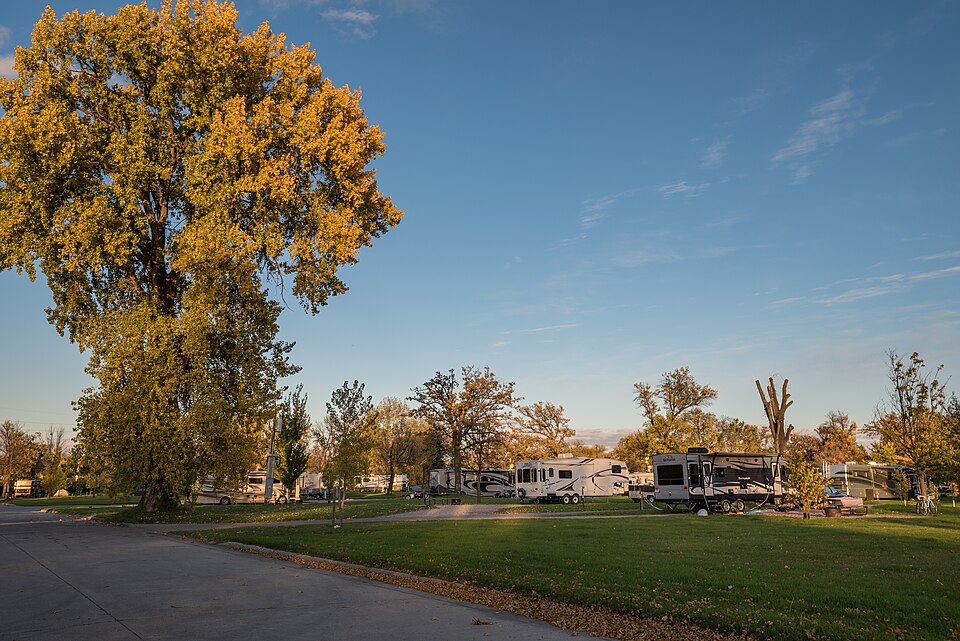
RV travel offers another balance, with sleeping and cooking facilities traveling with you. Campground hookups, vehicle-size limits, dump stations, and reservation rules still need checking. Rural roads and attraction parking may be less convenient with a large vehicle, so plan how you will reach trailheads. Costs for all three options vary by date, amenities, and location; glamping may resemble cabin or hotel spending more than basic campsite spending. Compare total charges, including cleaning or equipment fees, without assuming a particular format is always cheaper.
Book Thoughtfully and Plan a Low-Stress Stay
Before reserving, confirm the total estimated cost, minimum stay, cancellation rules, bathroom arrangement, and distance to your priority destinations. Ask whether meals or cooking equipment are provided and whether pets or children have specific restrictions. Book earlier when you need a particular unit type or fixed fall weekend, but let the cancellation terms guide how much weather uncertainty you are comfortable accepting.
Food storage and fire rules deserve equal attention. Use the property's approved storage arrangements, keep food out of sleeping areas where instructed, and check current fire restrictions before planning a campfire. Use locally sourced firewood in accordance with New York rules rather than transporting wood from home. Download directions and trail maps before arriving because service can vary in rural areas. Finally, verify park access and reservations separately: booking a nearby glamping stay does not automatically include entry to Minnewaska, Mohonk Preserve, or other managed outdoor destinations.