

Houston is a vibrant, sprawling metropolis where the humid subtropical climate of the Gulf Coast dictates the rhythm of daily life. While the city is a year-round destination for commerce and culture, the outdoor experience changes dramatically with the seasons. Planning your trip around the milder temperatures of the late fall, winter, or early spring ensures you can enjoy the bayous and botanical gardens comfortably.
The Sweet Spot: Fall and Winter
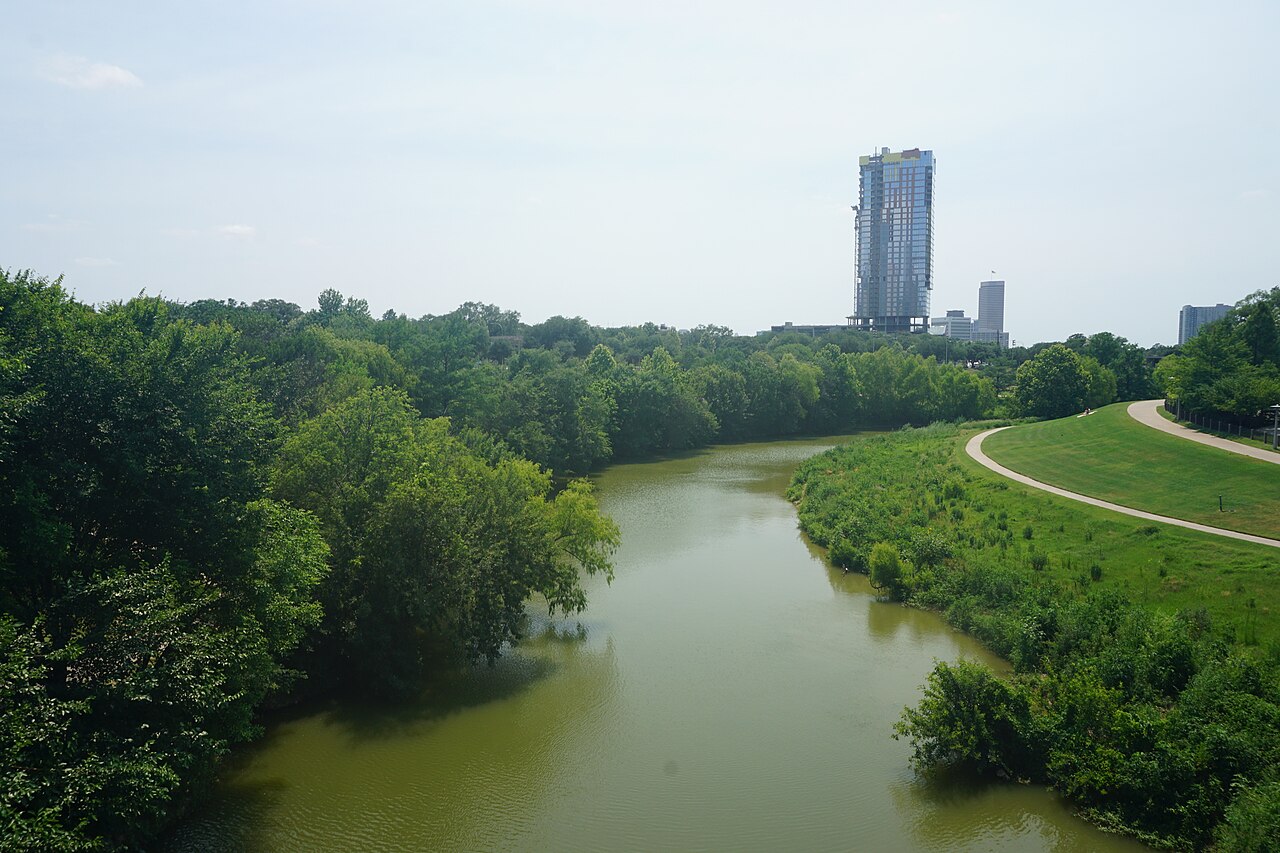
The best time to visit Houston is undoubtedly from October through April. During these months, the oppressive humidity of the Texas summer breaks, replaced by crisp mornings and mild, sunny afternoons. October and November are particularly pleasant, offering the perfect environment for exploring the Buffalo Bayou Park trails or dining al fresco in the Museum District. Winter in Houston is rarely harsh; while occasional cold snaps occur, temperatures typically hover in the comfortable sixties.
Visiting during the cooler months also aligns with the city's peak event season. You can catch outdoor art festivals, marathons, and holiday light displays without the risk of heat exhaustion. Because this is the most popular time for tourism, it is wise to book your accommodations several weeks in advance, especially if your trip coincides with major sporting events or the massive Houston Livestock Show and Rodeo which typically begins in late February. Checking the official city calendar for these major dates is highly recommended.
Spring Blooms and Coastal Breezes
Spring, specifically March and April, represents a stunning window of time to see the Texas Gulf Coast in full bloom. The bluebonnets and other wildflowers begin to carpet the roadsides leading into the city from Sugar Land and The Woodlands. This is an ideal time for birdwatching along the coastal flyways or taking a short drive down to the Galveston shoreline. The air is fresh, and the humidity has not yet reached its summer peaks.
However, spring is also a period of transition and can bring occasional heavy rain showers or thunderstorms. It is the perfect time for visitors who enjoy a mix of outdoor exploration and indoor museum hopping. If you plan to visit the Space Center Houston or the Museum of Fine Arts during the spring break weeks in March, expect larger crowds and consider arriving early in the day to secure your spot. The weather is generally reliable for walking tours through the historic Heights neighborhood.
Navigating the Summer Heat
Summer in Houston, spanning from June through September, is characterized by intense heat and high humidity. Temperatures frequently climb into the high nineties, and the heat index can make it feel significantly hotter. During this time, the city’s lifestyle shifts indoors or toward the water. If you visit in summer, plan your outdoor activities for the very early morning or late evening. The midday hours are best spent in the city's legendary air-conditioned spaces, such as the sprawling underground tunnel system or the climate-controlled galleries of the Menil Collection.
While the heat is a factor, summer can also be a time for lower hotel rates and fewer crowds at major attractions compared to the peak spring season. It is also the height of the Atlantic hurricane season, so travelers should monitor weather forecasts closely. Afternoon thunderstorms are common and provide a brief, cooling respite from the sun, though they can occasionally impact travel plans or coastal excursions to nearby Galveston.
Lock in a stay for this season
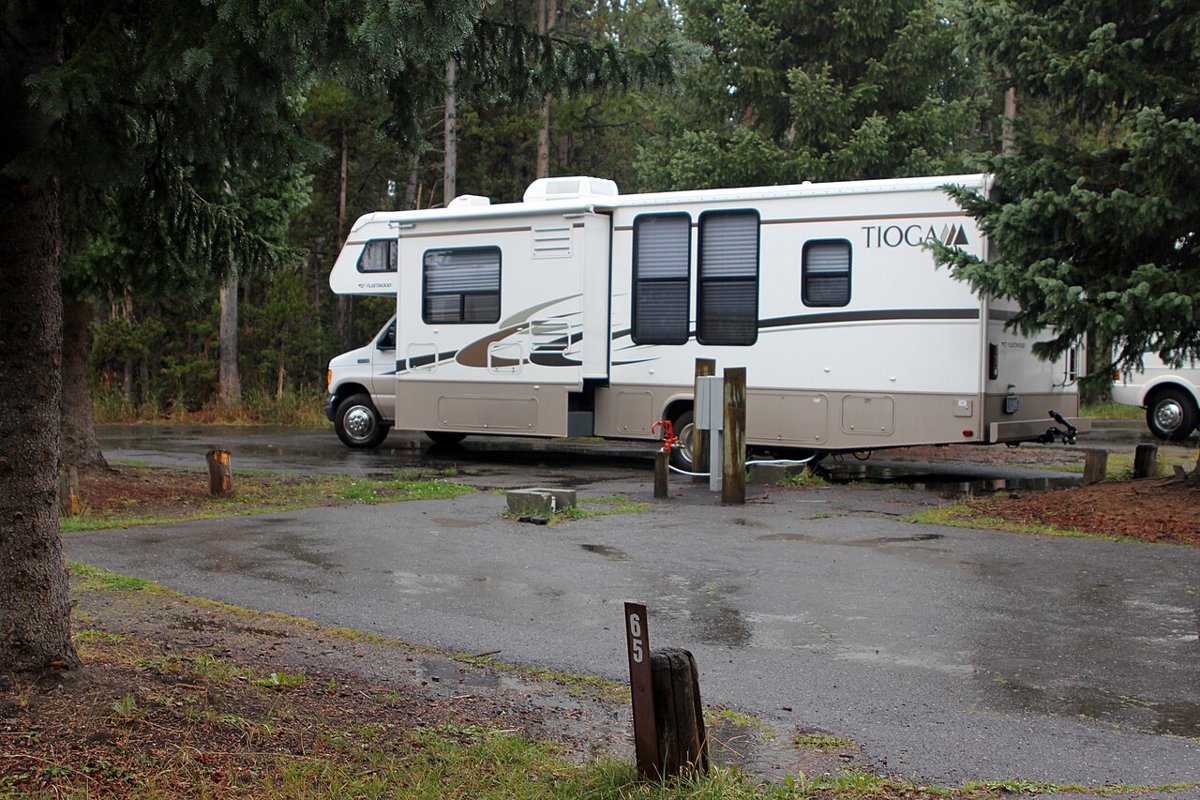
Harvest Hosts stays on the way to Houston
Partner link · Harvest Hosts
Crowds and Reservation Timing
Houston is a major international hub, meaning the city stays busy throughout the year. However, peak tourist crowds usually surge during the Houston Rodeo in early spring and major holiday weekends. During these times, popular restaurants in areas like Montrose or the Rice Village may require reservations days or even weeks in advance. If you are planning to visit popular sites like the NASA Johnson Space Center, it is essential to check the official site for current conditions and reservation requirements to ensure entry.
For those looking for a quieter experience, the weeks immediately following New Year's Day or the period in late August tend to be less crowded. Keep in mind that Houston’s size means traffic is a constant factor; regardless of the season, timing your movements to avoid peak commuting hours will make your visit much more relaxing. Planning your itinerary around specific neighborhoods can also minimize time spent in transit during these busy periods.
Seasonal Packing Essentials
Packing for Houston requires a strategy for variability. Even in the height of summer, the indoor air conditioning is famously powerful, so having a light sweater or jacket for indoor venues is a necessity. During the fall and spring, layers are your best friend. A breathable waterproof shell is useful for those sudden Gulf Coast downpours that can happen in any season. Comfortable walking shoes are a must, as the city's park systems and museum campus covers significant ground.
If you are visiting in the winter, a medium-weight coat is usually sufficient, as hard freezes are rare but not impossible. Sun protection is a year-round requirement in Texas; even on overcast days, the sun near the coast can be quite strong. For those heading out on the bayous for kayaking or hiking, moisture-wicking fabrics will help you stay comfortable in the humidity. Always keep a reusable water bottle handy to stay hydrated, a crucial habit for any Texas traveler exploring the outdoors.
More ways to book Houston
 Illustrative · Figure8
Buffalo Bayou Park Kayaking
One of the classic ways to experience Houston.
Varies (estimate)
Partner link · Viator