
Choosing the best time to visit Homer depends largely on whether you are coming for the world-class halibut fishing, the vibrant arts scene, or the quiet solitude of the Alaskan winter. While the town is famous for its summer energy, each season offers a distinct perspective of Kachemak Bay. You will find that the rhythm of life here is dictated by the tides and the migration of wildlife, making timing an essential part of your travel planning process.
The Peak Summer Rush
June through August is widely considered the best time to visit Homer for traditional outdoor activities. During these months, the Kachemak Bay comes alive with charter boats and the 'spit' is bustling with travelers from around the globe. Expect long daylight hours, often referred to as the midnight sun, which allow for late-evening hikes and extended fishing trips. Temperatures are generally mild, hovering between the mid-50s and low 60s Fahrenheit, though the coastal breeze can make it feel cooler.
Because this is the most popular window, you should expect larger crowds at popular trailheads and viewpoints. The Homer Spit becomes a vibrant hub of activity, but parking can become a challenge. To secure your preferred lodging or a spot on a specific fishing boat, it is wise to make reservations several months in advance. The lush greenery of the surrounding hills is at its peak, providing a stunning backdrop for photography and birdwatching along the coastline.
Fall Colors and Late Season
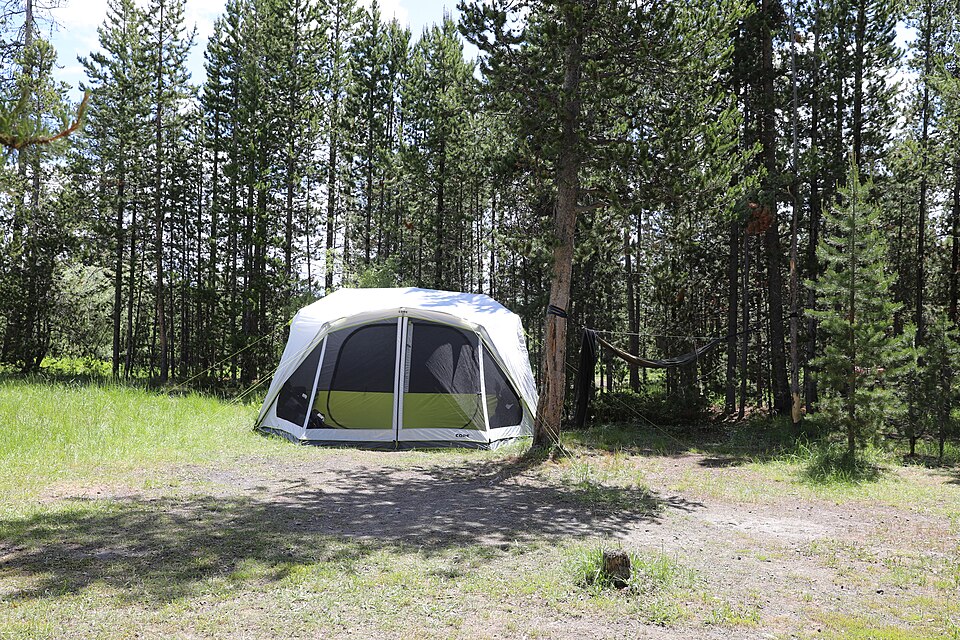
September marks the transition into autumn, offering a different kind of beauty. The crowds begin to thin out significantly after Labor Day, providing a more serene experience for those who prefer quiet exploration. The tundra and mountainsides turn vibrant shades of gold, orange, and deep red, making this an excellent time for photographers and hikers. While the weather becomes more unpredictable with increased rainfall and wind, the crisp air is refreshing.
Many seasonal businesses begin to wind down their operations by mid-September, so it is important to check the availability of specific tours or restaurants. However, this is also a prime time for spotting migratory birds and marine life as they prepare for the winter months. If you enjoy cooler temperatures and don't mind wearing extra layers, the shoulder season provides a unique opportunity to see Homer without the summer bustle while still enjoying most of the area's natural splendor.
Winter in the Halibut Capital
Winter in Homer is quiet, cold, and incredibly scenic. From November through March, the landscape is often blanketed in snow, and the surrounding peaks of the Kenai Mountains look particularly majestic against the blue winter sky. While fishing charters are less frequent, the town remains a tight-knit community with local galleries and cozy cafes staying open for residents and hardy visitors. This is the time for cross-country skiing, snowshoeing on local trails, and watching the steam rise off the bay.
Travelers should be prepared for limited daylight and icy road conditions. Driving the Sterling Highway during this time requires caution and a vehicle equipped for winter weather. However, the reward is a peaceful atmosphere and the chance to see the Aurora Borealis on clear, dark nights. Most large-scale tourist amenities are closed, so your stay will likely revolve around local hospitality and the raw beauty of the Alaskan winter landscape, offering a truly authentic northern experience away from the crowds.
Lock in a stay for this season
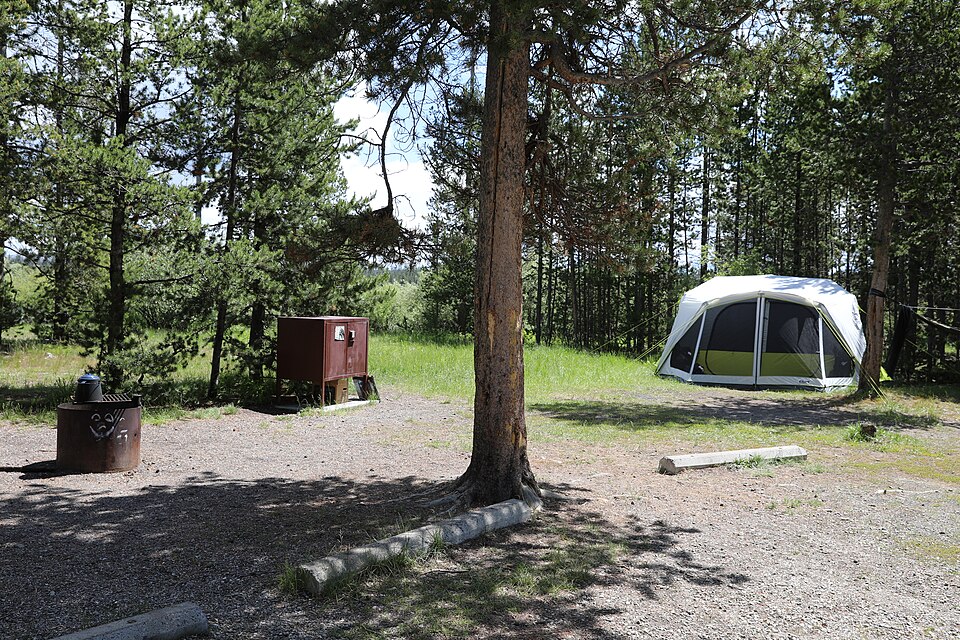
Harvest Hosts stays on the way to Homer
Partner link · Harvest Hosts
Spring Awakening and Migration
April and May represent the awakening of the Kenai Peninsula. As the snow melts and the first wildflowers begin to poke through the soil, Homer prepares for the upcoming season. One of the highlights of spring is the Shorebird Festival in May, which attracts birding enthusiasts from all over to witness the arrival of thousands of migratory birds. The energy in town begins to build as shops reopen their doors and the harbor starts to fill with boats being prepped for the water.
Weather during the spring can be 'muddy' and damp, so waterproof boots are a necessity for anyone planning to walk the beaches or trails. While it may not be as warm as mid-summer, the sense of renewal is palpable. It is a great time to find lower rates on accommodation before the peak season surge. You will witness the mountains transitioning from white to green, a slow but beautiful process that highlights the dramatic changes in the Alaskan environment.
Reservations and Planning Tips
Regardless of when you choose to visit, planning ahead is the key to a successful Homer trip. For the peak summer months, start looking at lodging and activities at least six to nine months out. The availability of RV parks and popular hotels near the Spit fills up quickly. If you are targeting a specific event like the halibut derby or a summer arts festival, earlier is always better. Always check the official National Park Service or state park websites for the most current information on trail conditions and park fees.
Budgeting for your trip should account for the seasonal nature of Alaska. Prices for tours and stays are at their highest in July and August, while shoulder season may offer more flexibility. Even in the height of summer, the weather can change in an instant, so your packing list should always include high-quality rain gear and thermal layers. Being prepared for the elements ensures that no matter what time of year you arrive, you can fully immerse yourself in the wild spirit of Kachemak Bay.
More ways to book Homer
 Illustrative · Christopher L. Riley
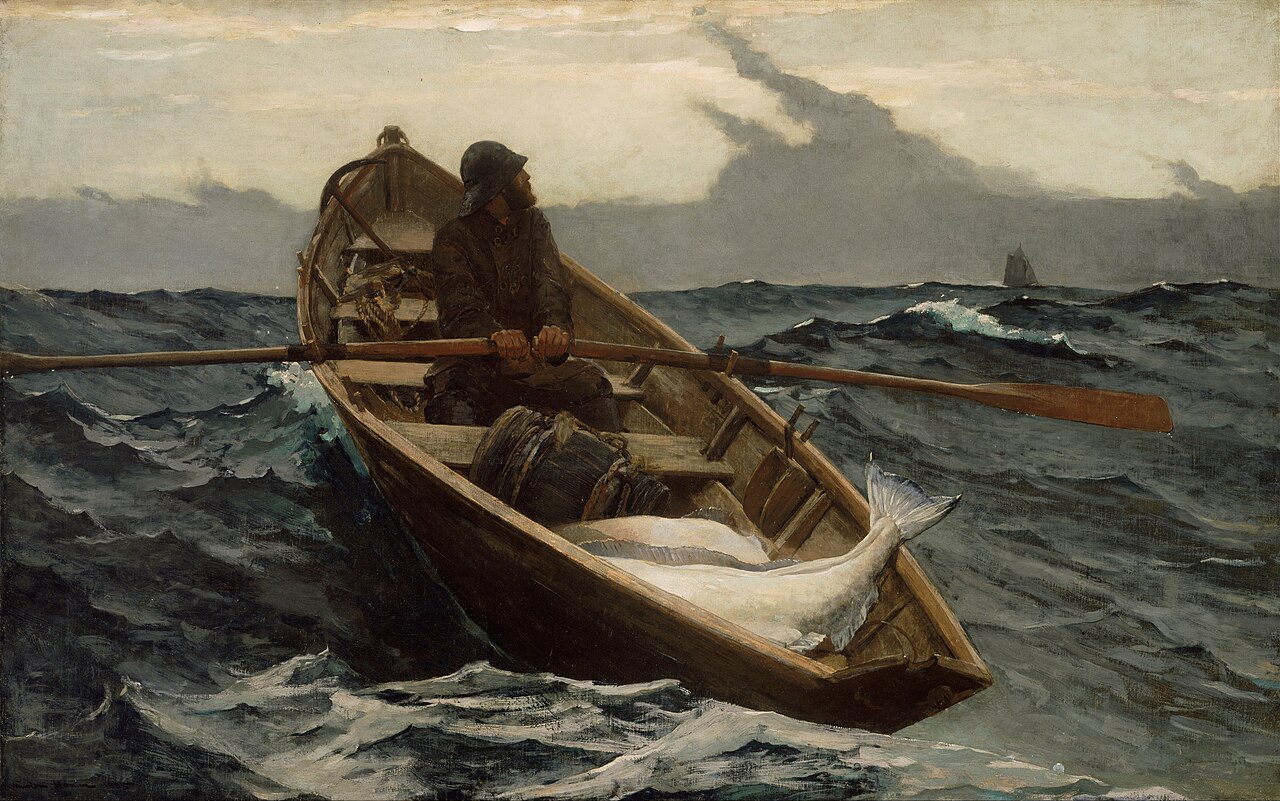
Halibut Charter Fishing
One of the classic ways to experience Homer.
Varies (estimate)
Partner link · Viator