
Hocking Hills glamping can mean a furnished tent, a yurt-style stay, or a compact cabin with more comfort than a basic campsite. The label is not standardized, so the useful question is what your particular booking includes. For a two- to four-day trip, focus on access to the trails you want, dependable sleeping arrangements, and the bathroom, cooking, and weather protection your group actually needs.
What Glamping Looks Like Around Hocking Hills
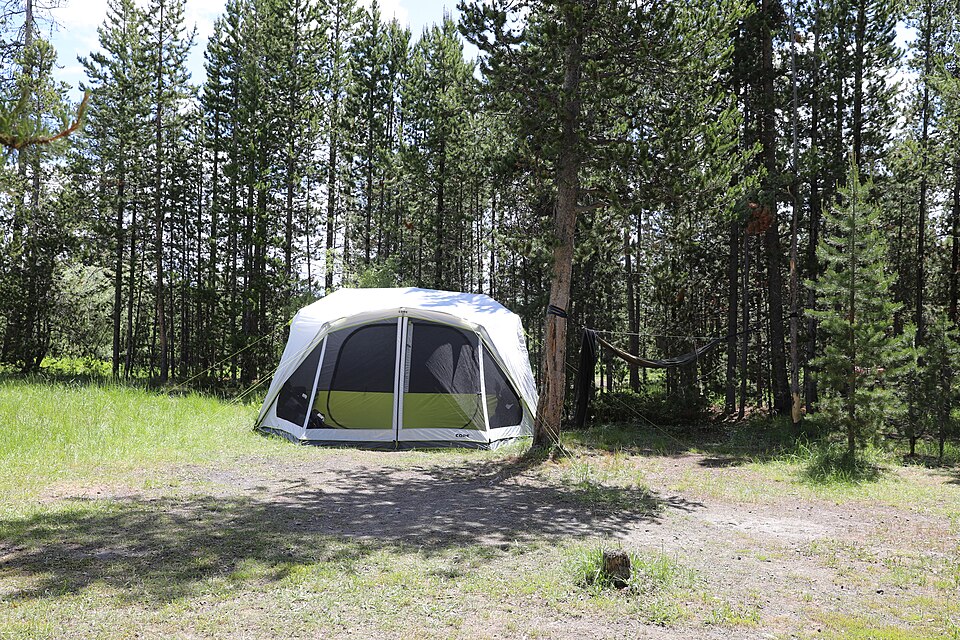
The area’s wooded hills and rural roads lend themselves to accommodations that emphasize outdoor space: decks, fire rings, furnished interiors, and forest views. Some stays marketed as glamping keep the canvas-and-camp atmosphere, while others function more like small vacation cabins. Judge the listing by its equipment and layout rather than its name. A real bed does not necessarily mean a private bathroom, climate control, or a full kitchen.
Before booking, confirm whether toilets and showers are inside the unit, shared, or a walk away. Ask about potable water, bedding, towels, refrigeration, cookware, and where parking sits relative to the entrance. Stairs, gravel paths, or steep approaches can matter when carrying bags or traveling with limited mobility. Read the occupancy details carefully, including where additional guests sleep. Photographs of a deck or view do not tell you how usable the interior will be during sustained rain.
Where to Look: Logan, Laurelville, and Rural Trail Areas
Logan is a practical search area if you want convenient access to groceries, meals, and other town services between hikes. Properties outside town may offer a more wooded setting, but do not assume a Logan mailing address means a short drive to every major trailhead. Check the exact location against Old Man’s Cave, Cedar Falls, and Ash Cave before deciding which stay fits your itinerary.
Laurelville and South Bloomingville are additional place names to use when comparing accommodations across the region. Rural stays can feel tucked away, with the tradeoff of longer drives for supplies or dinner. Map the actual route rather than judging straight-line distance. Ask about driveway grade, surface, and arrival instructions, especially for winter visits. If internet access matters, verify the property’s specific setup; do not assume either cellular reception or dependable Wi-Fi will be available simply because a listing mentions connectivity.
Choosing a Season for a Comfortable Stay
Spring pairs well with waterfall outings, but cool nights and rain make heating and a dry place for gear especially useful. For a furnished tent, ask what weather protection and heat source are actually provided. A covered porch can make a damp afternoon more pleasant, though it is not a substitute for appropriate shelter during severe weather. Check cancellation policies before booking a weather-sensitive accommodation.
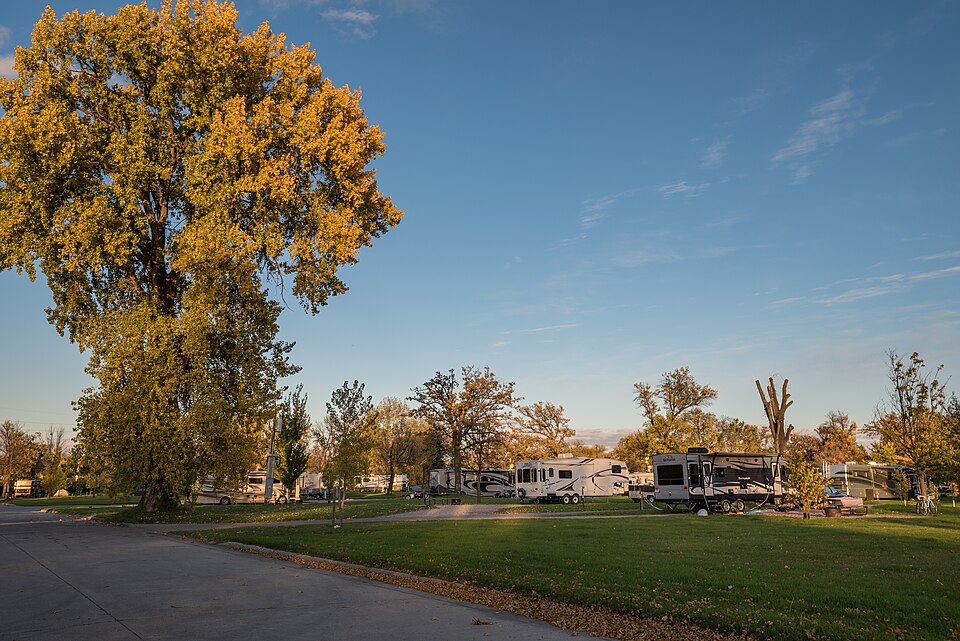
Summer brings longer evenings for cooking outside and sitting around camp, along with humidity and insects. Confirm ventilation, screens, and whether air conditioning is included if that matters to your sleep. Fall is popular for foliage trips, so reserve once your dates are firm, particularly on weekends. Winter requires closer attention to heating, plumbing, and driveway access. In every season, check the official Hocking Hills State Park website for current conditions and trail restrictions so your lodging choice supports a realistic outdoor plan.
Glamping Versus Tent Camping and RV Travel
Glamping makes sense when you want an outdoor setting without transporting a tent, sleeping pads, and all your bedding. It can be especially convenient for a short trip or travelers arriving by air. The tradeoff is that you may pay for design, privacy, or furnishings rather than additional access to nature. Compare bathroom arrangements and usable indoor space before deciding that a distinctive structure is worth the added cost.
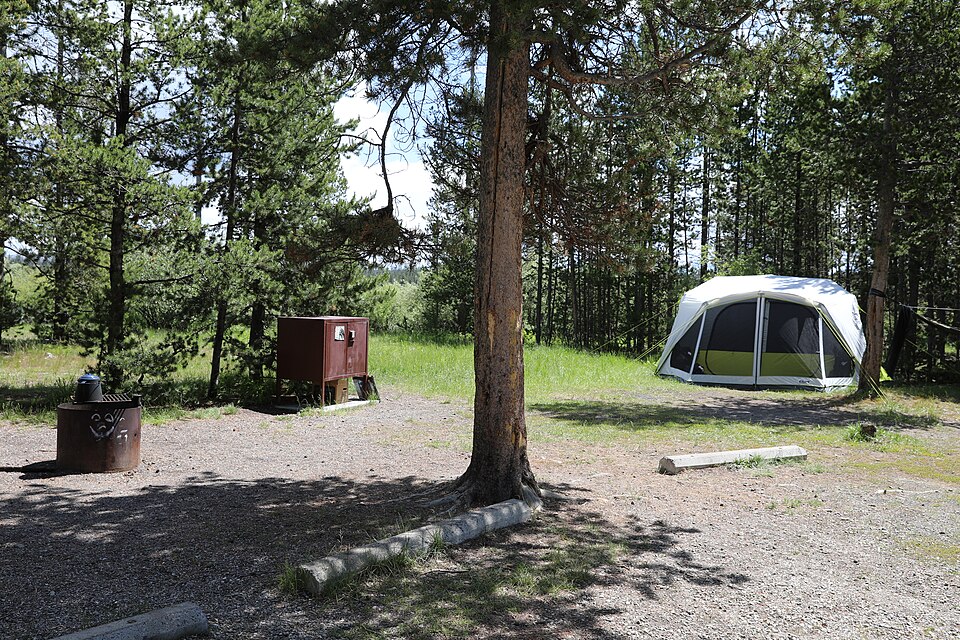
Tent camping generally offers a simpler, lower-cost approach if you already own equipment and are comfortable with changing weather. RV travel brings familiar sleeping and cooking facilities, but requires attention to site length, hookups, road access, and maneuvering space. Neither option automatically includes the same amenities at every campground. Check official state park campground information for reservations and site details. For any stay, compare the complete estimated cost, including cleaning charges, taxes, equipment needs, and the transportation required to reach trailheads.
Booking Checks and What to Pack
Before paying, verify the cancellation policy, check-in process, pet rules, minimum stay, and any extra charges. Ask whether outdoor amenities are private or shared, and whether firewood or cooking fuel is provided. Follow local fire restrictions and the property’s fire rules; obtain firewood locally rather than transporting it long distances. If a hot tub or other feature is central to your choice, confirm its availability and any usage requirements directly.
Pack as though you will still spend substantial time outdoors: hiking shoes, rain layers, a flashlight or headlamp, drinking water for outings, and bags for muddy clothing. Bring food suited to the actual cooking setup rather than assuming a kitchenette includes everything. Download directions and trail maps before arrival. Finally, check the official park website for conditions and reservations relevant to your activities. A comfortable overnight stay is most useful when it leaves you rested and prepared for the next morning’s hike.