
Hilton Head Island is a year-round destination, but timing your visit involves balancing the warm South Carolina sunshine against the busier crowds of the summer season. Whether you are looking to bike through maritime forests or lounge on white sandy beaches, understanding the seasonal shifts of the Lowcountry ensures a smooth experience. The shoulder seasons often provide the most comfortable weather for outdoor activities, offering a perfect mix of mild temperatures and manageable visitor volumes across the island's many parks and nature preserves.
Springtime in the Lowcountry
Spring is widely considered the best time to visit Hilton Head, particularly from late March through May. During this window, the island comes alive with blooming azaleas and jasmine, scenting the air as you explore the bike paths. Daytime temperatures typically range from the low 70s to the low 80s, making it ideal for tennis, golf, and hiking in the Sea Pines Forest Preserve without the intense heat of the later months.
This is also the season for major sporting events, which can cause accommodation prices to rise and availability to tighten significantly. While the Atlantic Ocean might still be a bit brisk for swimming in early April, the sunny skies are perfect for coastal birdwatching. If you plan to visit during the spring break weeks or during major regional festivals, you should look into securing your lodging and dinner reservations several months in advance to avoid limited options on the island.
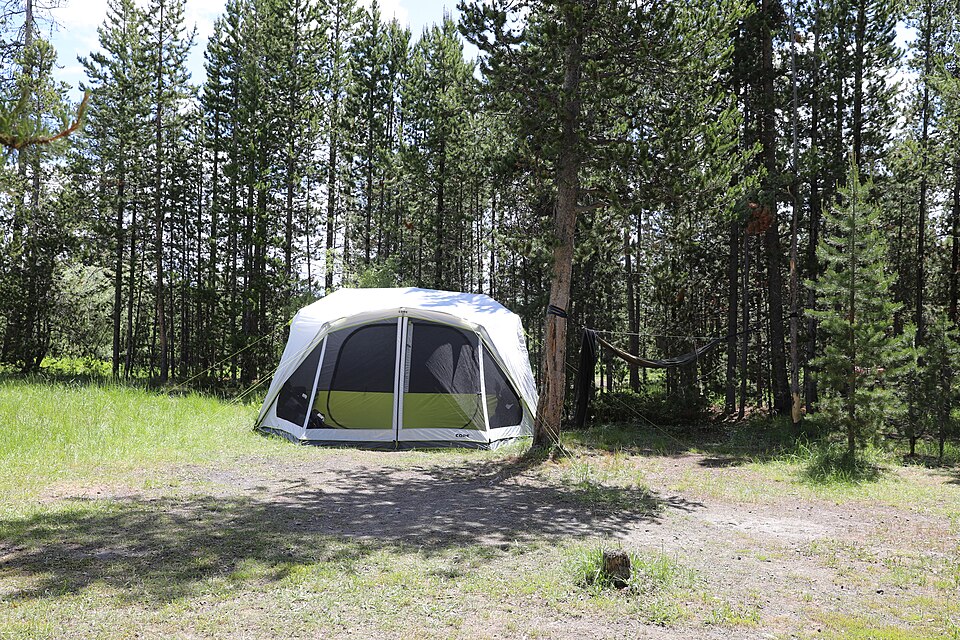
Summer Heat and Beach Days
Summer, spanning June through August, is the peak tourist season on Hilton Head. The weather is hot and humid, with temperatures frequently reaching the 90s, though sea breezes provide some relief along the shoreline. This is the prime time for families who want to spend every day in the water, as the Atlantic warms up to very comfortable swimming temperatures. Expect the beaches at Coligny and Folly Field to be bustling with activity, and traffic onto the island via the bridge from Bluffton to be at its highest.
Afternoon thunderstorms are a common occurrence in the Lowcountry during the summer, often providing a quick cooling effect before the sun returns. Because this is the most popular time for vacations, you will find the highest rates for vacation rentals and hotels. It is essential to book your preferred bicycle rentals and water sports excursions well ahead of time, as these services often reach capacity during the mid-summer rush.
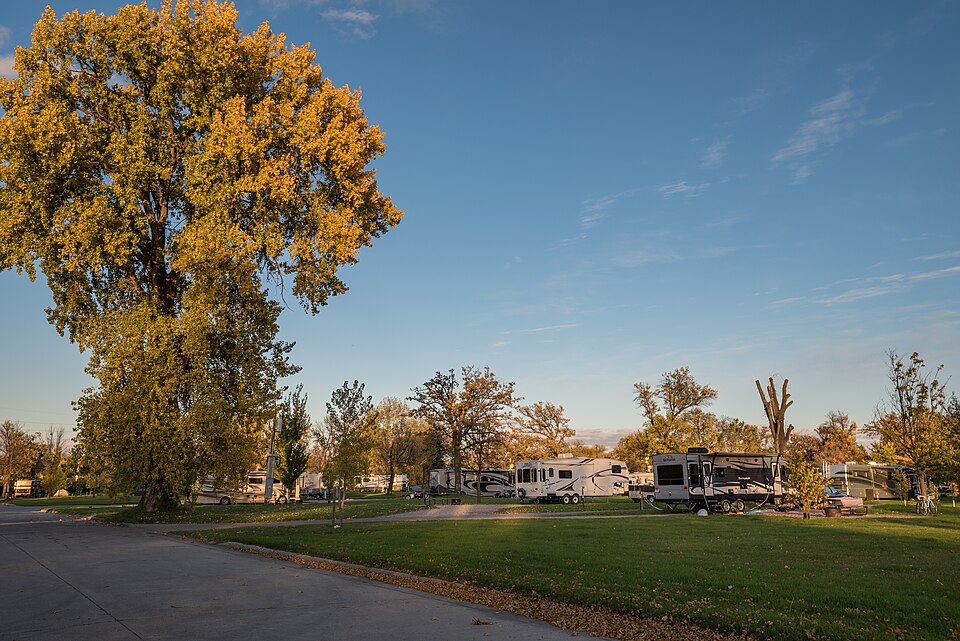
Fall Colors and Calm Waters
September and October represent a second "sweet spot" for visiting Hilton Head. As the summer humidity begins to dissipate, the weather remains warm enough for beach activities through much of October, but the large crowds of school-aged families have returned home. This period offers a more tranquil atmosphere, allowing for quieter walks along the 12 miles of shoreline and easier access to the island's famous golf courses.
However, it is important to remember that fall coincides with the peak of the Atlantic hurricane season. Travelers should keep a close eye on weather forecasts and consider travel insurance, as tropical systems can occasionally impact coastal South Carolina. Despite the weather risks, the late afternoon light during the fall is particularly beautiful for photography, especially near the Harbour Town Lighthouse or along the marshes of Pinckney Island. You will likely find that restaurant wait times are much shorter compared to the hectic summer months.
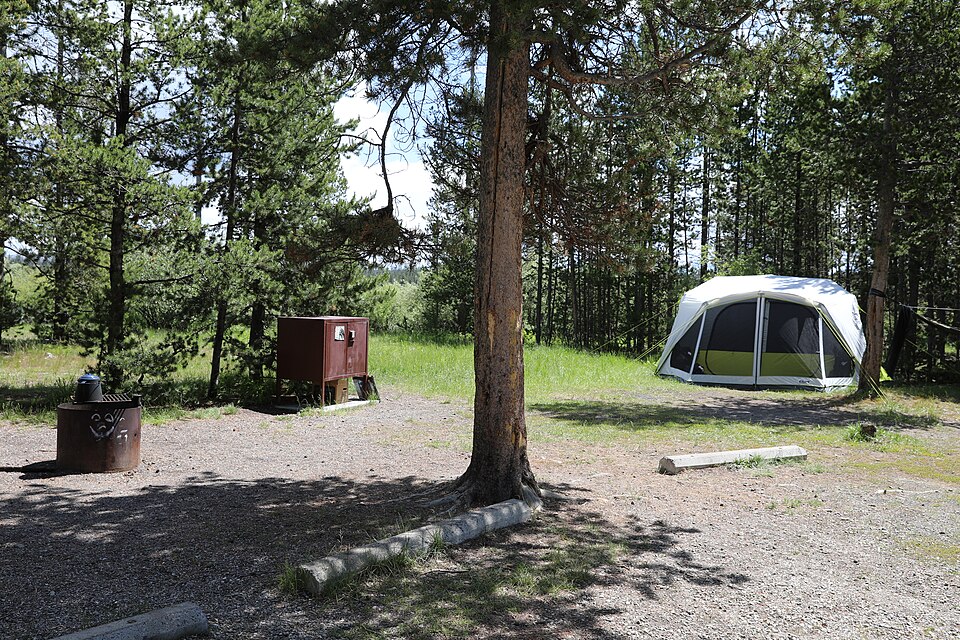
Lock in a stay for this season
Harvest Hosts stays on the way to Hilton Head
Partner link · Harvest Hosts
Winter Quiet and Mild Climates
From November through February, Hilton Head enters its quietest phase. While it is rarely truly cold by northern standards, temperatures can dip into the 40s at night, with daytime highs often hovering in the 60s. This is the off-season, meaning you can find significantly lower rates on luxury villas and oceanfront homes. While it may be too chilly for sunbathing, the weather is often crisp and clear, providing excellent conditions for long-distance cycling or exploring the historic sites of nearby Beaufort and Bluffton.
Many of the island's outdoor dining areas remain open, often utilizing space heaters to keep guests comfortable. Winter is also the best time for those who enjoy solitude, as you can often walk for miles on the beach without seeing another soul. Keep in mind that some seasonal excursions, like specific dolphin tours or water-based activities, may have reduced schedules or temporary closures during the deepest parts of the winter, so checking the official park or operator sites is recommended.
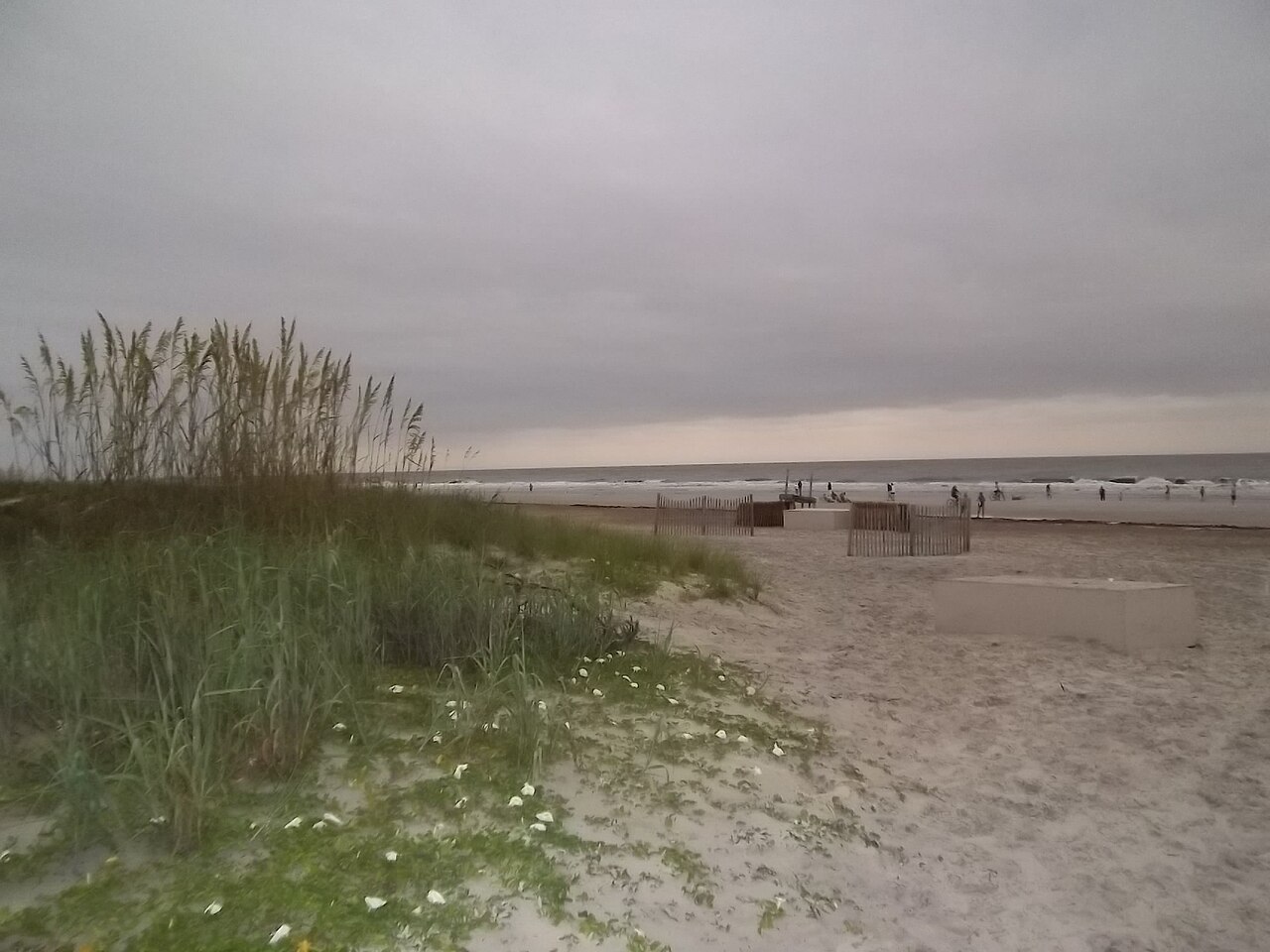
Navigating Crowds and Reservations
Regardless of when you choose to visit, managing your expectations regarding crowds will improve your trip. Holiday weekends, such as Memorial Day, the Fourth of July, and Labor Day, see the island reach its maximum capacity. During these times, parking at popular beach access points can be difficult to find after 10:00 AM. If you are visiting during these peak windows, consider using the islandâs seasonal trolley service to move between major shopping and beach areas without the stress of driving.
For those seeking the most affordable experience, the weeks immediately following Thanksgiving or the period in early January offer the lowest costs, though the activity level is much quieter. For any visit, always check the official National Park Service sites or local municipal pages for the latest updates on beach conditions, construction projects on the bridges, or any specific wildlife nesting closures, particularly during sea turtle season which runs from May through October.
More ways to book Hilton Head
 Illustrative · John Margolies
Harbour Town Lighthouse
One of the classic ways to experience Hilton Head.
Varies (estimate)
Partner link · Viator