
Hill Country glamping can mean a furnished canvas tent, a small cabin, a yurt-style stay, or another outdoor-focused rental with a real bed. The label does not tell you whether there is air conditioning, a private bathroom, or easy road access. Start with the landscape you want to explore, then compare the practical details that will make two to four nights comfortable for your group.
What Glamping Actually Looks Like Here
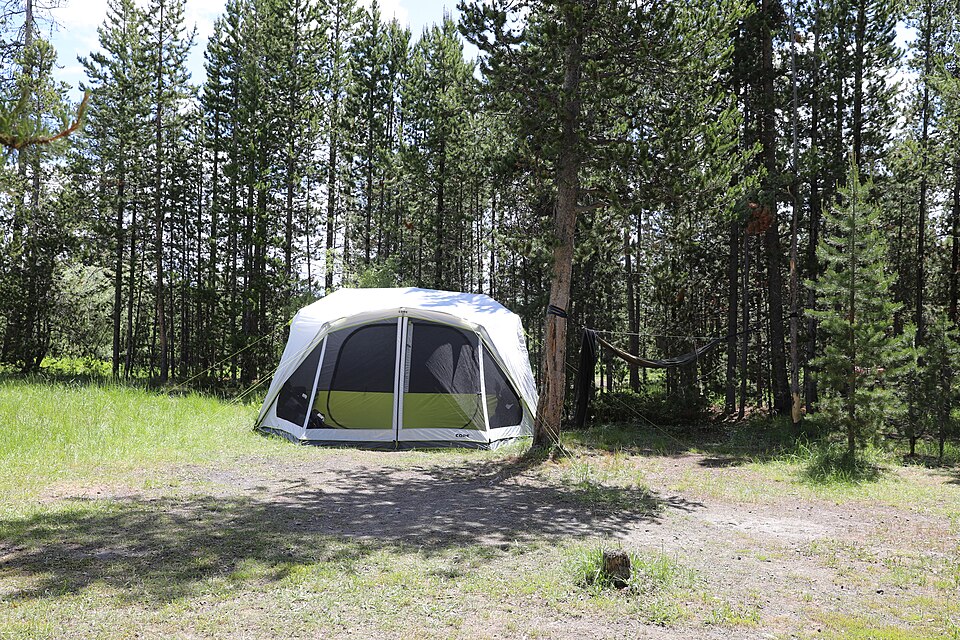
Across Hill Country, glamping generally bridges tent camping and a conventional vacation rental. Some stays emphasize canvas walls and outdoor living; others are essentially compact cabins with decks and views. A photogenic interior does not reveal how the property handles summer heat, winter cold, insects, or a nighttime walk to the bathroom. Read the full amenity list and recent guest information rather than booking from the headline alone.
Confirm whether the bathroom is private, shared, attached, or a walk away. Ask about drinking water, refrigeration, cooking equipment, heating, cooling, and electrical outlets. If traveling with children or anyone with mobility needs, verify steps, uneven paths, loft access, and parking distance. Rural properties may have gravel approaches or limited cell service. Download directions and clarify arrival procedures in advance. Do not assume that a creek, pool, or fire pit shown in photographs will be usable during your dates.
Choose a Base Near the Places You Want to Visit
Fredericksburg and nearby rural areas suit travelers combining town meals with Enchanted Rock and ranch-country scenery. Johnson City and Dripping Springs make more sense for an eastern itinerary that includes Pedernales Falls or continues toward Austin. Wimberley offers another town-centered base with access to the Blanco River landscape, but individual swimming destinations have their own reservations and restrictions. Staying nearby does not automatically grant water access.
For Guadalupe River outings, look around the broader New Braunfels, Canyon Lake, or Spring Branch areas, matching the address to your actual destination. Farther west, Concan and Leakey suit Frio River plans, while Vanderpool places you closer to Lost Maples. These areas are not interchangeable for a short trip. Map the property entrance, not just the town name, and compare drives to your main activities before paying. A secluded stay can add substantial backtracking if every meal and hike is elsewhere.
Pick the Season That Fits Your Comfort Level
Spring and fall are appealing for outdoor meals, hiking, and sleeping close to nature, though both seasons bring variable weather. Canvas lodging can amplify wind noise and temperature swings. Ask what happens during severe weather and whether the property has a clearly described shelter plan. In spring, popular wildflower weekends can tighten availability; in fall, stays near Lost Maples may draw foliage visitors.
Summer requires a closer look at cooling. A fan is not equivalent to air conditioning, and an unshaded tent may remain uncomfortable well into the evening. Plan outdoor activities early and confirm that any promised water feature is currently accessible. Winter favors well-insulated units with adequate heat and protected plumbing. Whatever the season, check official park websites for current conditions and reservations before organizing excursions. Drought restrictions and burn bans can affect the stay even when skies are clear and temperatures seem ideal.
Compare Glamping, Tent Camping, and RV Stays
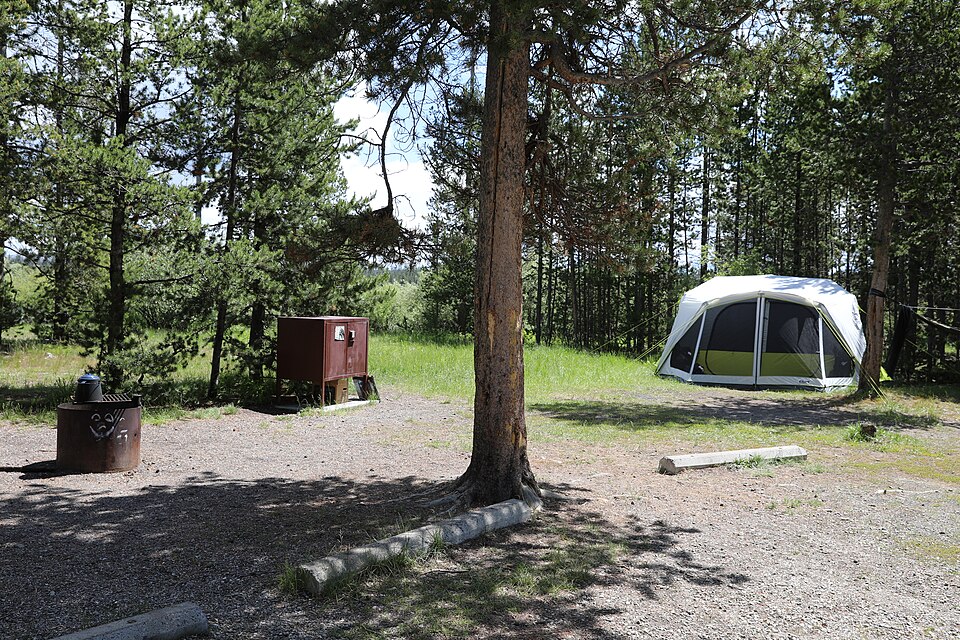
Choose glamping when you want an outdoor setting without transporting a full sleep system and shelter. It can simplify a short flight-based trip, but cooking gear, towels, linens, and bathroom arrangements still vary. Tent camping offers more control over your setup and often a lower lodging cost, particularly when you already own equipment. It also means managing weather, packing, and campsite chores yourself.
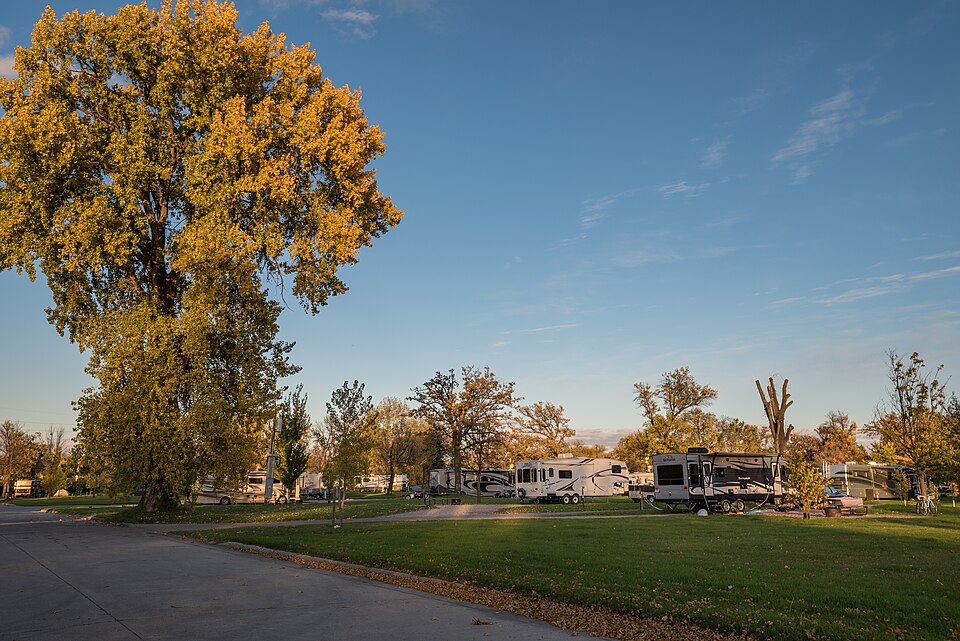
An RV adds enclosed living space and, depending on the vehicle and hookups, kitchen and bathroom convenience. Compare campsite length limits, electrical service, water connections, and dump-station access rather than assuming every site supports the same setup. Large vehicles also need suitable access roads and parking. Some public campgrounds offer basic cabins or screened shelters, but these should not be assumed to include bedding or full amenities. Check official park listings directly. The right choice depends on equipment, weather tolerance, mobility, and how much time you will spend at camp.
Budget for the Whole Stay and Respect the Landscape
Treat glamping costs as rough estimates until you price your exact dates and party size. Compare the full checkout total, including cleaning charges, extra-person fees, pet fees, deposits, and minimum-night requirements. A lower nightly rate may not mean a lower total for a short visit. Add groceries, restaurant meals, fuel, park entry, and any equipment you need to bring or rent.
Before booking, read cancellation and weather policies carefully, including what happens if nearby rivers or parks close while the property remains open. Ask whether firewood or cooking fuel is supplied, but plan meals that do not depend on an open fire. Follow current burn bans and property rules. Keep gates as instructed, stay out of neighboring ranchland, and secure food and trash. Use outdoor lighting sparingly where practical, and keep evening noise low. Hill Country's appeal comes partly from its rural character; thoughtful habits help preserve that experience.