
Choosing the best time to visit Gulf Shores depends on whether you prefer vibrant crowds or peaceful mornings by the water. Located along the Alabama Gulf Coast, this region experiences a humid subtropical climate that offers distinct personalities throughout the four seasons. While the sugar-white sands are a draw year-round, timing your visit to match the local weather patterns and wildlife migrations ensures you get the most out of these turquoise waters and coastal trails.
Spring: The Sweet Spot for Weather
Spring is widely considered the best time to visit Gulf Shores, particularly between March and May. During these months, the humidity remains relatively low while daily high temperatures hover comfortably in the 70s and low 80s. This is the ideal window for hiking the Hugh S. Branyon Backcountry Trail without the intense heat of mid-summer. However, travelers should be aware of spring break peaks. In late March, the area sees a surge in college students and families, making popular beach access points busier.
If you prefer a quieter experience, aim for the mid-April to early May window. During this time, the wildflowers along the coastal dunes are in full bloom, and the ocean temperatures begin to climb into a range suitable for swimming. It is a fantastic period for birdwatching as migratory species return to the Bon Secour National Wildlife Refuge. Because this is a high-demand season, booking your accommodations several months in advance is highly recommended to secure your preferred spot.
Summer: Peak Sunshine and High Energy
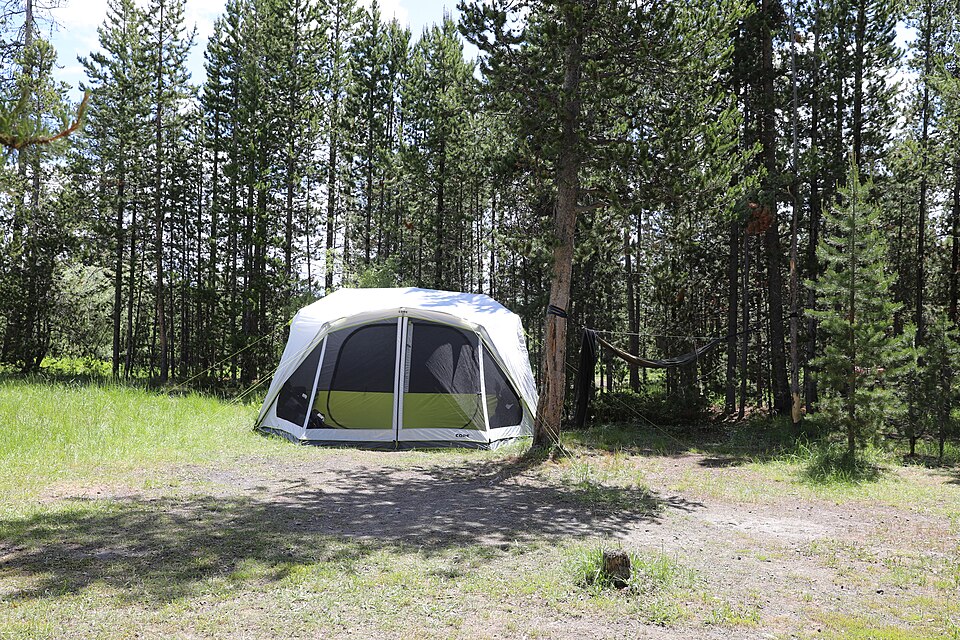
Summer in Gulf Shores is the most popular time for families, characterized by long, sunny days and warm Gulf waters. From June through August, temperatures consistently reach the upper 80s and 90s, with high humidity that makes the water even more inviting. This is the prime season for water sports, parasailing, and late-night beach walks under the stars. The atmosphere is festive, with bustling boardwalks and lively piers.
Visitors should prepare for the possibility of brief, intense afternoon thunderstorms, which are common in the deep South during summer. These usually clear quickly, leaving behind vibrant sunsets. Since this is peak season, expect higher lodging rates and more traffic in gateway cities like Foley and Orange Beach. You will want to arrive at public beach parking areas early in the morning to claim your spot. Despite the crowds, the summer energy is unmatched for those looking for a classic American beach vacation with plenty of amenities and open attractions.
Fall: Warm Waters and Fewer Crowds
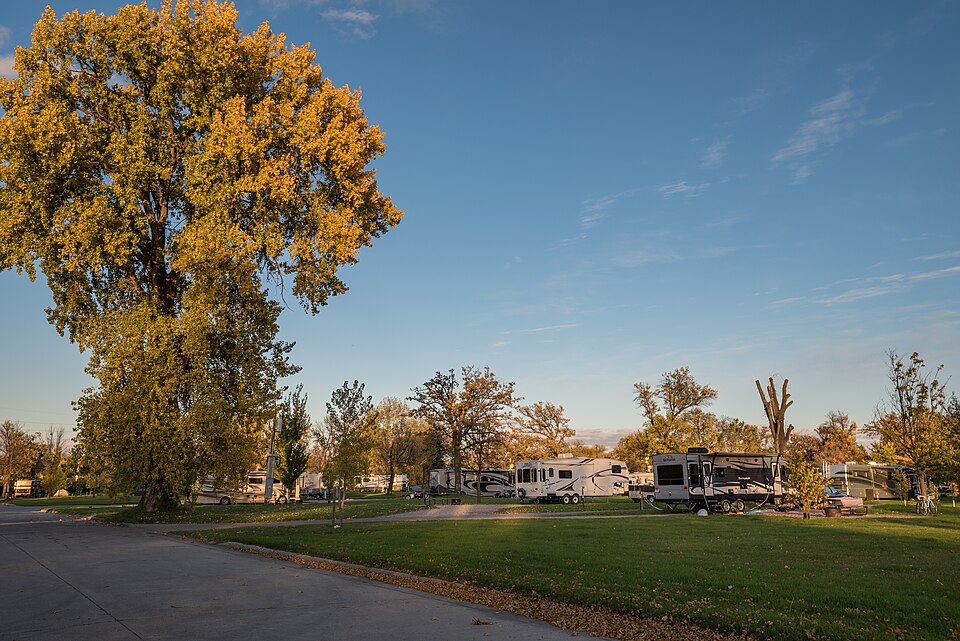
September and October represent a hidden gem for visitors seeking a more relaxed pace. Many locals believe this is actually the best time to visit Gulf Shores because the water remains warm enough for swimming well into October, even as the air temperature begins to cool. The stifling humidity of summer dissipates, replaced by crisp mornings and golden afternoons. This is also the season for major coastal festivals and fishing tournaments, adding a local flavor to your trip.
Crowds thin out significantly once the school year begins, making it easier to find a quiet stretch of sand. However, fall is also the peak of the Atlantic hurricane season. Travelers should keep a close eye on weather forecasts and the official National Park Service or local municipal sites for any weather-related advisories. If the weather holds clear, you will experience some of the most stunning, clear blue skies of the year. It is a great time for photography and long bike rides through the state park without the summer sun's intensity.
Lock in a stay for this season
Harvest Hosts stays on the way to Gulf Shores
Partner link · Harvest Hosts
Winter: A Quiet Coastal Retreat
Winter in Gulf Shores, spanning December through February, is a time of solitude and reflection. While it is generally too cold for swimmingâwith highs often in the 50s or 60sâthe beaches remain beautiful for walking and shelling. The region attracts 'snowbirds,' or winter residents from the North, who enjoy the mild climate compared to the freezing temperatures elsewhere. This is the most budget-friendly time to visit, as nightly rates for rentals and hotels typically drop to their lowest levels of the year.
While some seasonal water-based excursions might have limited schedules, the hiking trails and golf courses remain open. You won't face any wait times at local restaurants, and the pace of life slows down significantly. It is a wonderful time for those who enjoy the maritime atmosphere without the necessity of sunbathing. Be sure to pack layers, as the wind off the Gulf can feel quite chilly even on a sunny day. It is a peaceful period for exploring the historic sites and indoor museums in the region.
Planning and Reservations Timing
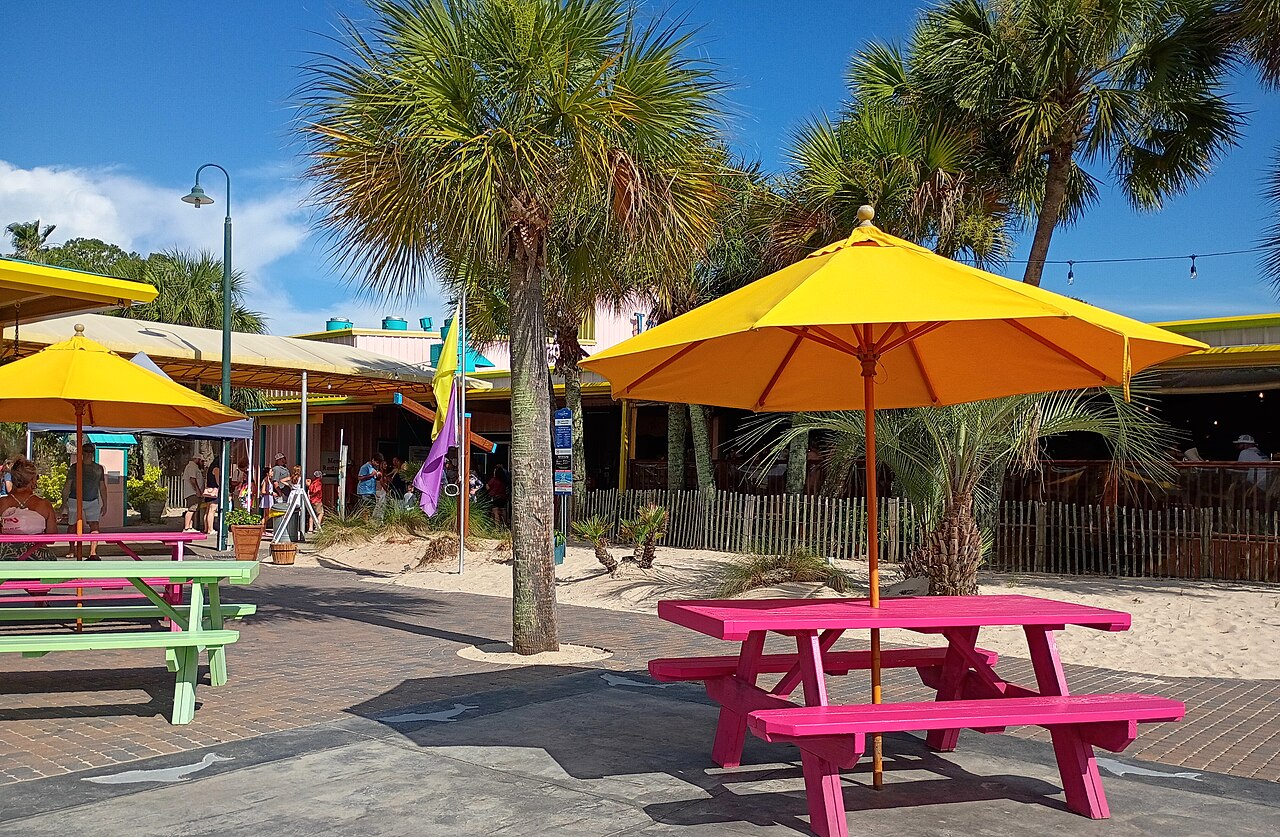
Regardless of when you decide to go, planning ahead is key for a smooth Alabama coast experience. For visits during the spring and summer peaks, start looking for rentals or campsites at least six to nine months out. Major holiday weekends like Memorial Day, Labor Day, and the Fourth of July see the area reach near-total capacity. If you are aiming for a fall visit, four months of lead time is usually sufficient, though popular beachfront properties still fill up fast.
Always check the official park websites for Gulf State Park before your trip, as they provide essential updates on trail closures, pier maintenance, or environmental notices like sea turtle nesting activity. During the nesting season (May through October), there are specific guidelines about lighting and beach gear to protect the hatchlings. Being an informed traveler helps preserve the delicate coastal ecosystem while ensuring you have the best possible experience. Remember to check local event calendars as well, as large festivals can suddenly limit hotel availability even in the shoulder seasons.
More ways to book Gulf Shores
 Illustrative · https://ourgulfshoresvacation.com
Fort Morgan Historic Site
One of the classic ways to experience Gulf Shores.
Varies (estimate)
Partner link · Viator