
Choosing the best time to visit Gulf Islands National Seashore depends on your preference for sun-drenched beach days or cool, quiet walks along historic ramparts. While the Florida Panhandle is a year-round destination, the shoulder seasons offer a delicate balance of comfortable temperatures and manageable crowds. Understanding the rhythm of the Gulf of Mexico, from the humidity of summer to the occasional frost of winter, ensures you experience these white quartz sands at their absolute finest.
Spring: The Sweet Spot for Shorelines
Many frequent travelers consider the window from March through May the absolute best time to visit Gulf Islands National Seashore. During these months, the humidity remains relatively low compared to the intense summer swelter, and the air temperatures hover comfortably in the 70s and low 80s. This is the prime season for birdwatching, as migratory species begin their journey across the Gulf. You will find the emerald waters are beginning to warm up enough for a brave dip, though the primary draw is the ability to hike the dunes without the risk of overheating.
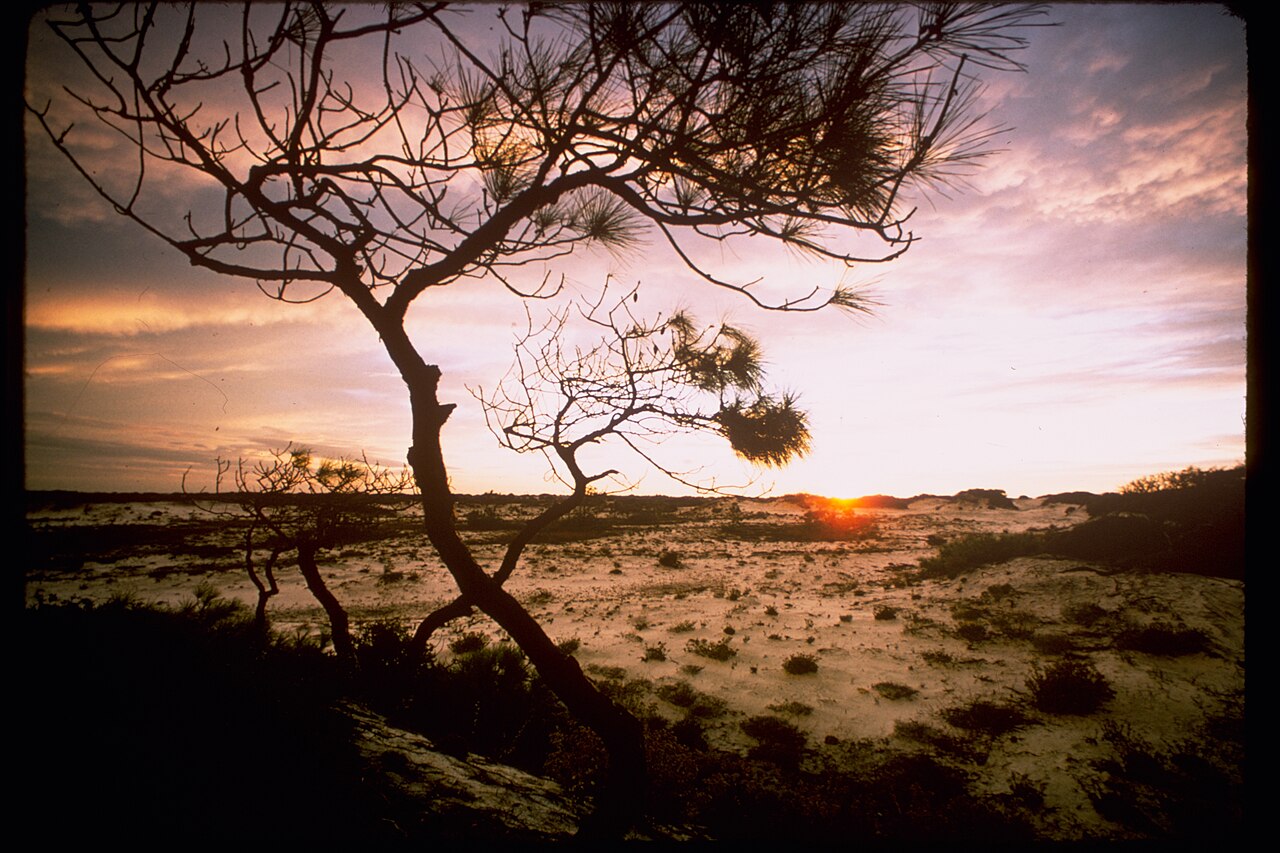
Wildflowers like the sea oxeye daisy start to bloom against the stark white sands, creating stunning photography opportunities. However, travelers should be aware of Spring Break crowds in late March and April. During this period, traffic in nearby Pensacola and Gulf Breeze can increase significantly, so arriving at the park gates early in the morning is highly recommended to secure a prime spot near the water.
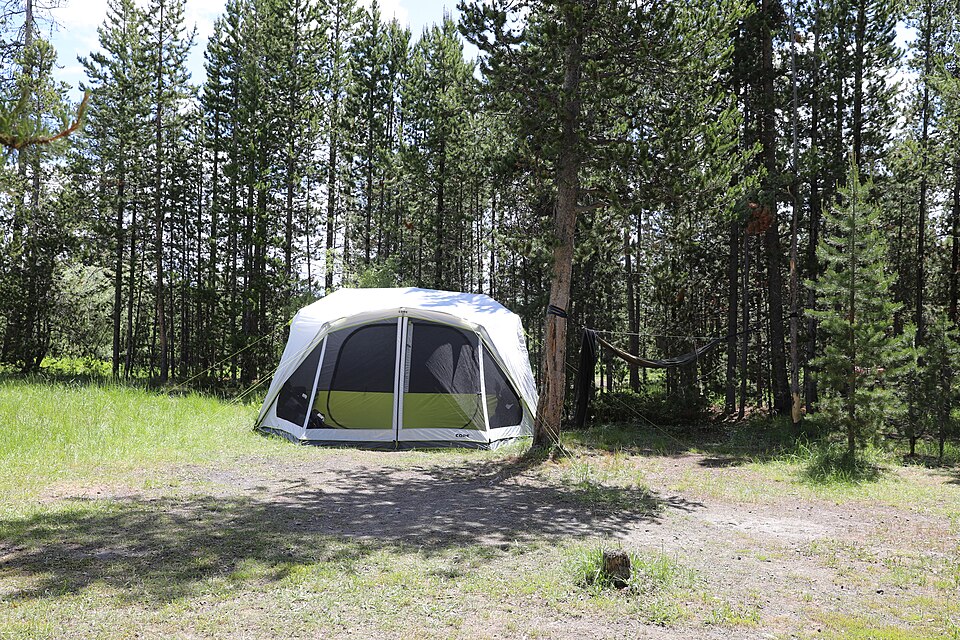
Lock in a stay for this season
RV parks near Gulf Islands National Seashore on RoverPass
Partner link · RoverPass
Summer: Peak Sun and Gulf Heat
Summer brings the quintessential Florida beach experience, characterized by high temperatures and even higher humidity. From June through August, the Gulf of Mexico becomes as warm as bathwater, making it the perfect time for swimming, snorkeling, and paddleboarding. However, this is also the most crowded time of year. Families flock to the Fort Pickens and Santa Rosa areas, filling parking lots by mid-morning. The heat can be intense, often exceeding 90 degrees Fahrenheit, so planning outdoor activities for the early morning or late afternoon is essential.
Afternoon thunderstorms are a daily occurrence in the summer, providing a brief but powerful respite from the heat. Travelers should monitor the weather closely, especially regarding lightning. This is also the start of the Atlantic hurricane season; while major storms are rare, they can cause temporary park closures. If you visit now, pack plenty of reef-safe sunscreen and consider a sun-shade for the beach, as the reflective white sand amplifies the sun's rays significantly.
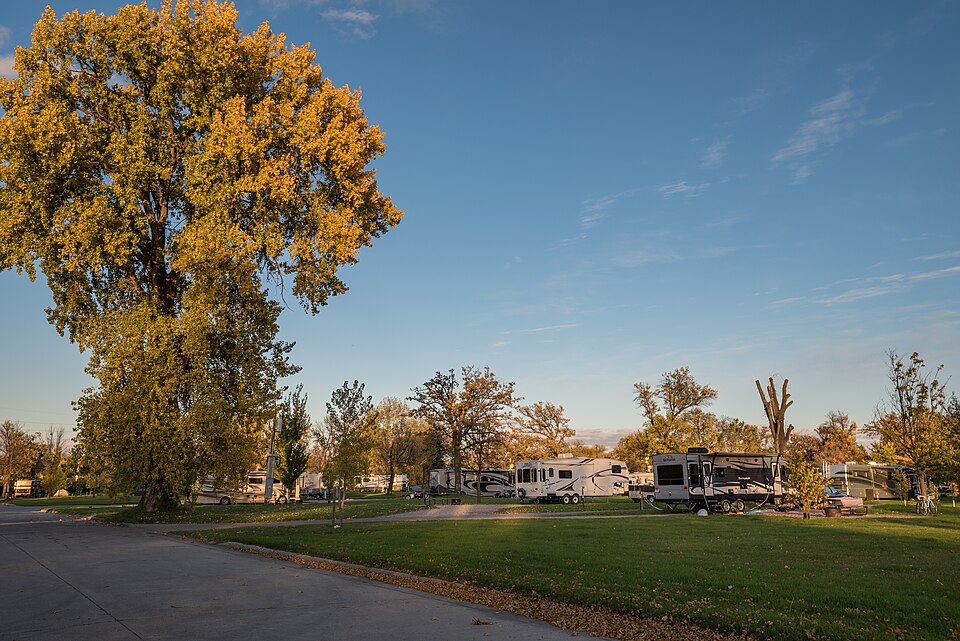
Lock in a stay for this season
Campsites near Gulf Islands National Seashore on Campspot
Partner link · Campspot
Fall: Crisp Air and Quiet Sands
As the calendar turns to October and November, the crowds dissipate, and the oppressive humidity of summer vanishes. Many locals argue this is the true best time to visit Gulf Islands National Seashore. The water remains warm enough for swimming through October, while the air turns crisp and clear. The sky often takes on a deeper blue hue, providing a sharp contrast to the white dunes and historic brickwork of the forts.
This is also a spectacular time for monarch butterfly migrations, as thousands of these delicate insects stop along the coast on their way south. Fishing enthusiasts will find this season particularly rewarding, as the cooling waters bring different species closer to the shore. Because the peak tourist season has ended, you can often find more availability at the Fort Pickens campground, though weekend spots still fill up quickly. The lack of crowds allows for a more contemplative exploration of the historic sites and a quieter, more personal connection with the coastal landscape.
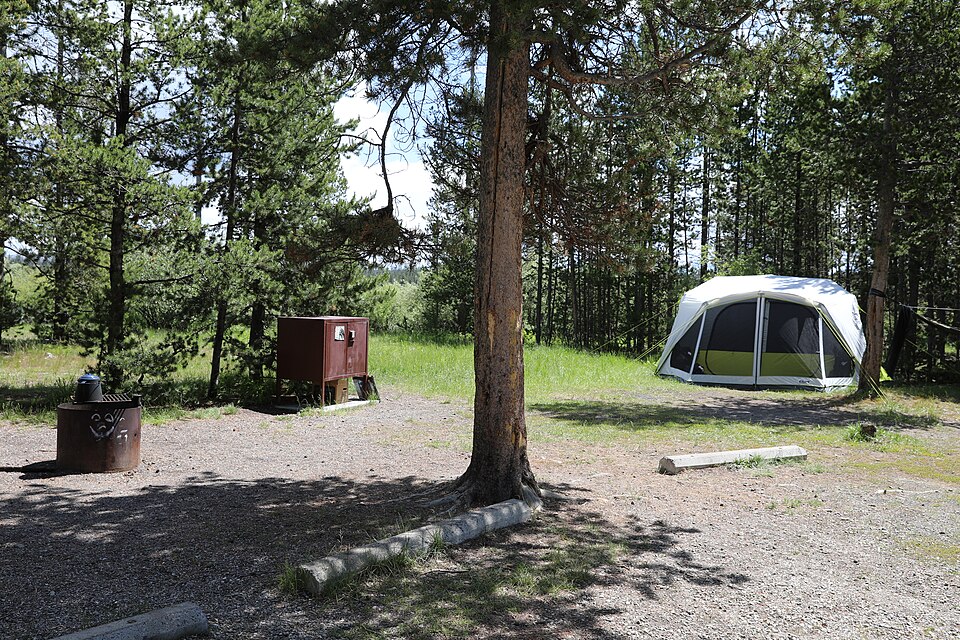
Lock in a stay for this season
Harvest Hosts stays on the way to Gulf Islands National Seashore
Partner link · Harvest Hosts
Winter: Solitude and Serenity
Winter at Gulf Islands is a time of profound peace. From December through February, temperatures can range from the 40s at night to the 60s during the day. While it is generally too cold for swimming, the weather is ideal for long walks along the beach or exploring the interior trails of the Naval Live Oaks Area. You will often have entire stretches of beach to yourself, shared only with the occasional shorebird.
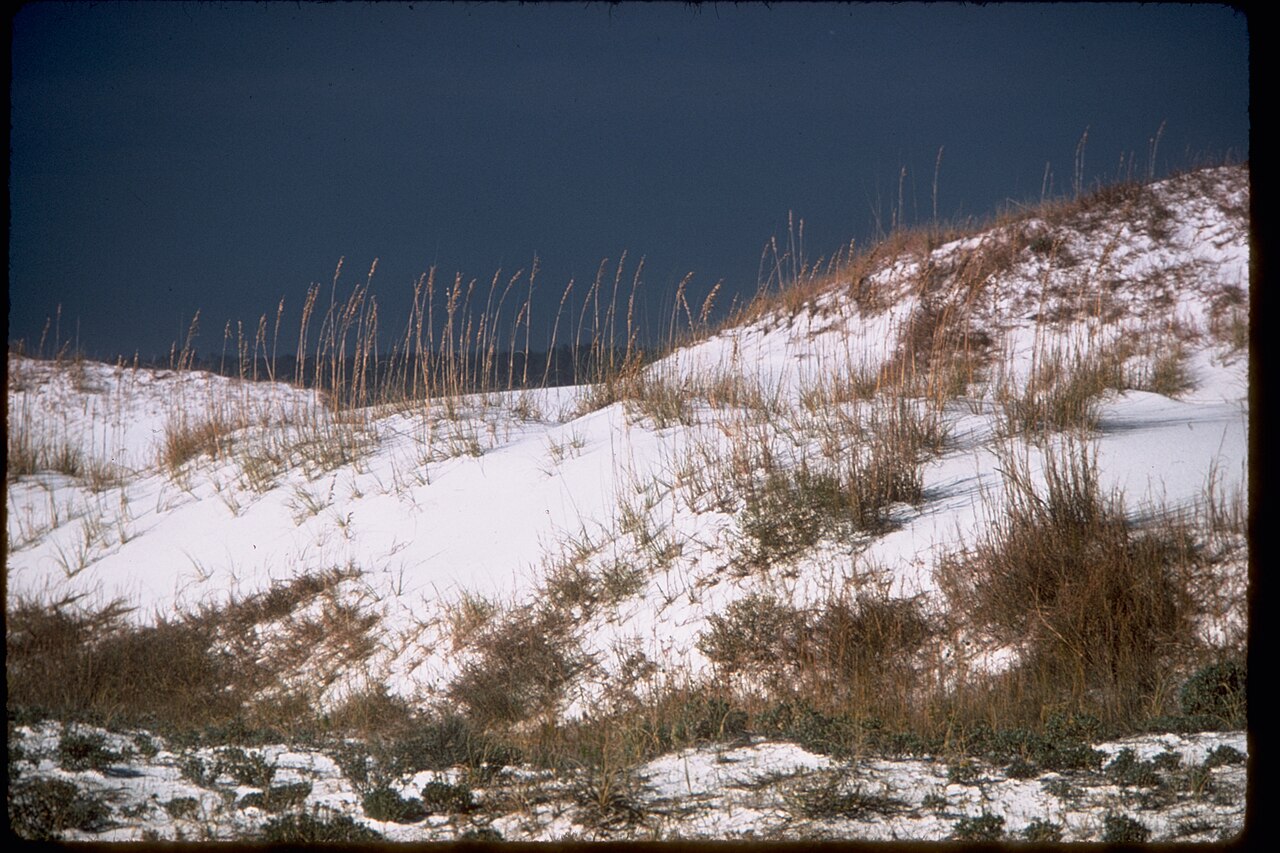
This season is perfect for history buffs who want to explore Fort Pickens or Fort Barrancas without the distraction of large tour groups. The air is exceptionally clear, making it a great time for stargazing at night. While the landscape is less vibrant than in the spring, the architectural details of the forts and the stark geometry of the dunes are more pronounced. Travelers should pack layers, as the wind off the Gulf can feel quite chilly even on a sunny day. It is the most affordable time to stay in the gateway cities of Pensacola and Navarre.
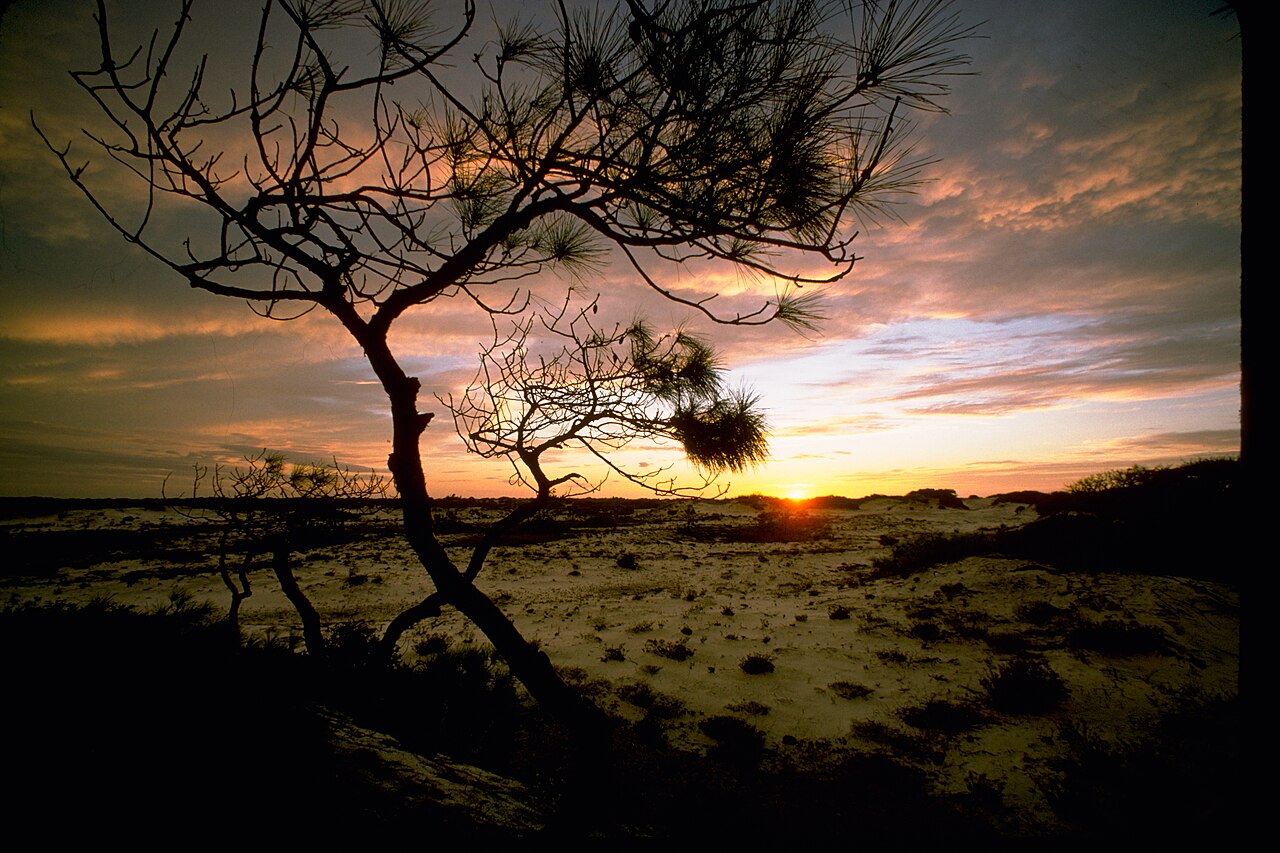
Reservation Timing and Tips
Regardless of when you choose to visit, planning ahead is vital for a successful trip. The Fort Pickens Campground is one of the most popular in the national park system; for peak spring and summer dates, reservations should be made exactly six months in advance via the official booking portal. If you are aiming for a weekend stay during the shoulder seasons, a three to four-month lead time is generally sufficient.
Always check the official National Park Service website before your departure for the most current information on entrance fees, road closures, and ferry schedules. Weather conditions can change rapidly on the coast, and sand shifts can occasionally close sections of J. Earle Bowden Way. If you are planning a trip around a specific event, such as the Blue Angels air shows in July or November, expect the area to be at maximum capacity and book your accommodations at least a year in advance. Flexibility is key to enjoying the natural beauty of the Florida Panhandle.
More ways to book Gulf Islands National Seashore
 Illustrative · National Park Service Digital Image Archives
Coastal Barrier Island Birding
One of the classic ways to experience Gulf Islands National Seashore.
Varies (estimate)
Partner link · Viator