The best time to visit the Great Smoky Mountains depends on whether you want wildflowers, long hiking days, fall color, or quieter roads. April through June and October are especially appealing, but elevation makes a big difference: a comfortable afternoon in a gateway town can feel much colder on a high ridge. Plan two to four days, keep your schedule flexible, and expect mountain weather to change your plans occasionally.
Spring: Wildflowers and Changing Mountain Weather
April through June brings a gradual wave of green leaves and wildflowers, starting in lower coves and moving uphill. Lower-elevation forest walks are a practical early-spring choice, while high ridges can remain cold after gateway towns warm up. Pack rain protection and a warm layer rather than planning around a single temperature forecast.
Spring break and holiday weekends draw more visitors, but ordinary weekdays can feel less hectic than summer. Waterfalls are popular after wet weather, though muddy trails and slippery rocks deserve caution. Check the official NPS site before choosing a hike: seasonal road openings and weather-related closures can affect access, especially early in the season.
Summer: Long Days, Busy Gateways, and Afternoon Storms
Summer works well for families who need school-vacation dates and want plenty of daylight. Lower elevations are often warm and humid, while higher overlooks can feel noticeably cooler. Start longer hikes early, carry water, and watch the forecast for thunderstorms rather than assuming a blue morning sky will last all day.
Expect busy parking areas, slow gateway traffic, and competition for popular campsites. Choose one main outing each day instead of stacking several trailheads into a tight schedule. A shaded forest walk or visitor-center stop can fill the afternoon without another long drive. Reserve lodging and campgrounds well ahead when your dates are fixed, and check current NPS reservation rules.
Fall: Colorful Ridges and Heavy October Traffic
October is a favorite for fall color, but there is no single reliable peak date across the park. Leaves generally change earlier at higher elevations and later in lower valleys, with weather influencing both timing and intensity. A route that spans several elevations gives you more variety than planning around one overlook.
Popular roads and gateway towns can be especially crowded on October weekends. Arrive early, allow generous driving time, and avoid treating a scenic loop as a quick transfer. Bring layers for chilly mornings and exposed viewpoints. Book fall lodging well in advance when possible, but keep daily routes flexible so rain, fog, or traffic does not derail the whole trip.
Winter: Quieter Valleys, Limited High-Country Access
Winter can offer open forest views, fewer visitors on many trails, and a quieter version of the park. It is not uniformly quiet, though: holiday periods still bring travelers to Gatlinburg and nearby towns. Lower-elevation walks are often the more practical choice, but conditions can vary sharply from one valley to another.
Snow, ice, and temporary road closures can disrupt high-elevation plans. Some roads and facilities also close seasonally, so do not build a winter trip around access to Kuwohi, formerly Clingmans Dome. Carry warm layers, traction appropriate to conditions, and enough daylight margin to turn back. Check official NPS road updates and local forecasts before leaving your lodging each morning.
When to Reserve and How to Avoid the Biggest Crowds
Once your dates are firm, prioritize lodging or a campsite, particularly for summer, October, and holiday weekends. Campgrounds have specific reservation windows; check Recreation.gov through the official NPS website rather than assuming every site opens for booking at the same time. Special programs and events may have separate reservation or lottery requirements.
The park generally does not require a timed-entry reservation, but parking tags are required for vehicles parked longer than 15 minutes. A tag does not reserve a space. For lighter traffic, favor weekdays, start early, and group activities by area. Before traveling, check the official Great Smoky Mountains National Park site for current conditions, closures, parking rules, and reservations.
Book it for Great Smoky Mountains

Harvest Hosts stays on the way to Great Smoky Mountains
Membership for overnight RV stays at farms, wineries and other unique spots along your route.
Partner link · Harvest Hosts
Campsites near Great Smoky Mountains on Campspot
Private campgrounds, cabins and glamping just outside the park, often with availability when park sites sell out.
Partner link · Campspot
RV parks near Great Smoky Mountains on RoverPass
Book RV parks and campgrounds online with full hookups near the park.
Partner link · RoverPass
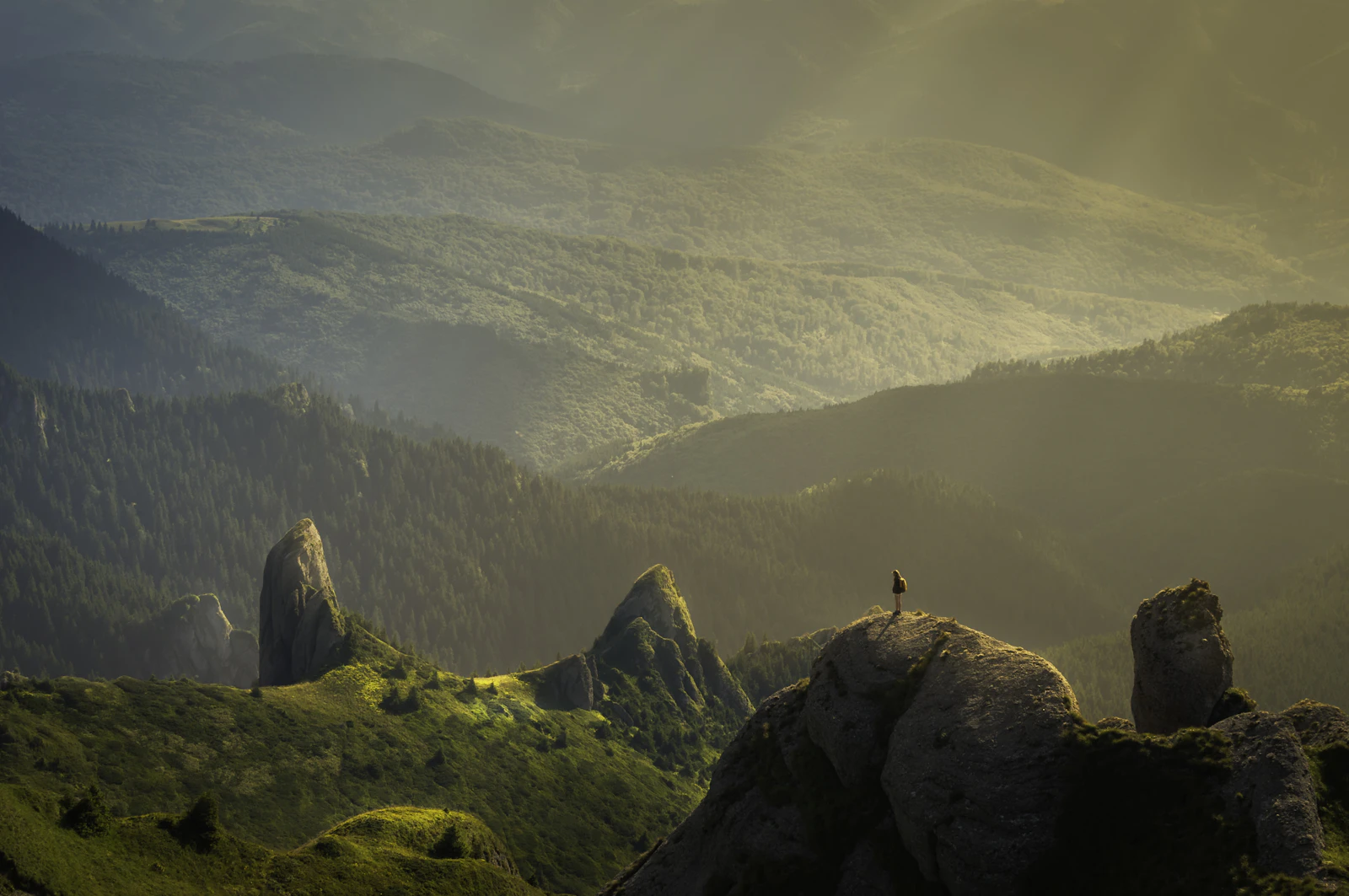
Clingmans Dome Sunset
Six states on a clear evening — and it's the easiest big view here.
Varies (estimate)
Partner link · Viator
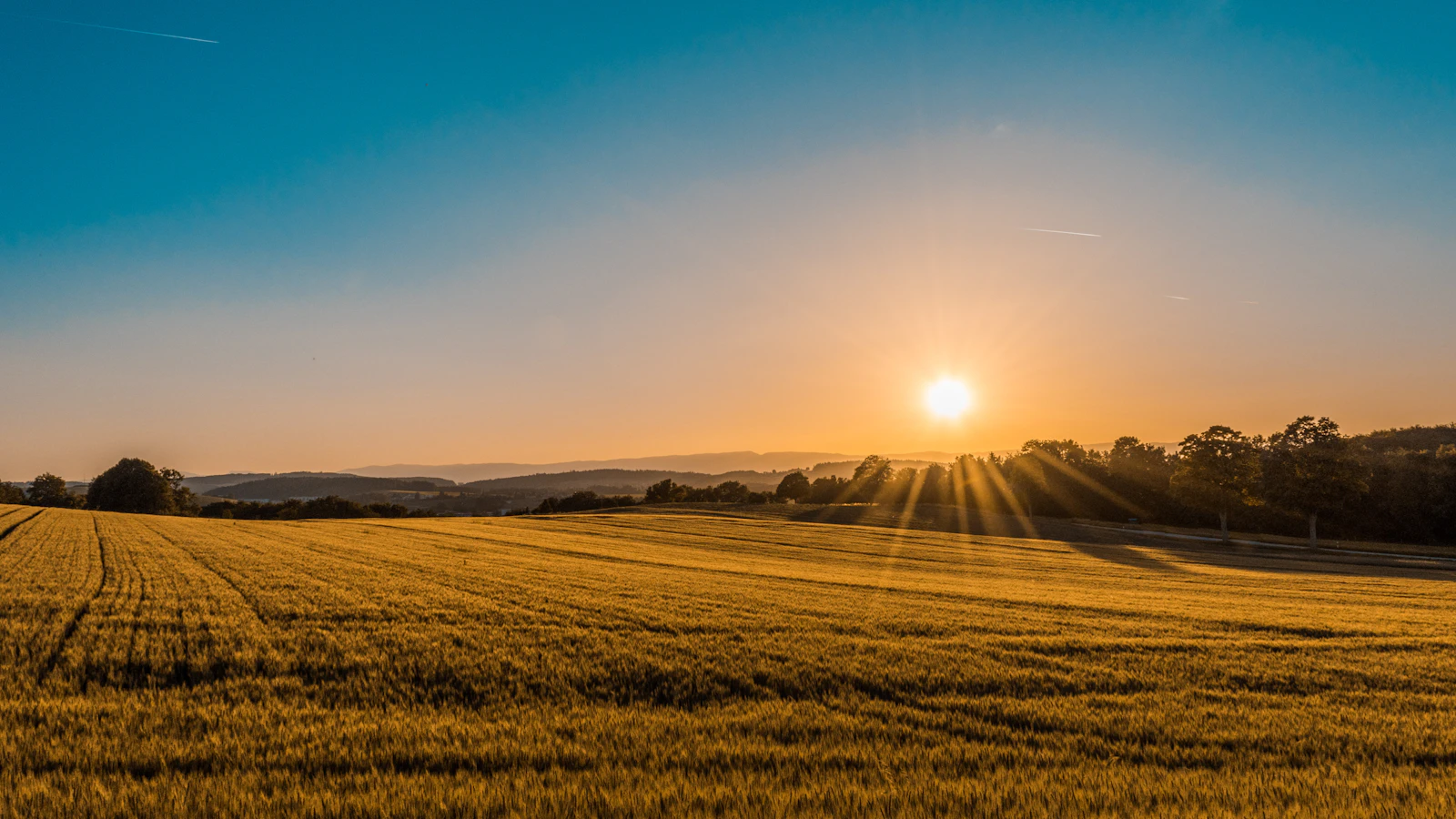
Cades Cove Loop Road
Best wildlife odds in the park, and cars-free some mornings.
Varies (estimate)
Partner link · Viator
Alum Cave to Mount LeConte
The one hike locals send visitors on — varied the whole way up.
Varies (estimate)
Partner link · Viator