Late June through September is the most practical window for a Grand Teton trip built around hiking, lakes, and scenic drives, though mountain conditions vary from year to year. Summer brings the widest access and biggest crowds, while spring and fall reward flexible travelers with quieter moments. Choose your dates around what you want to do, rather than expecting every trail, road, or visitor service to follow the same calendar.
Spring: Quiet Views, Snowy Trails, and Flexible Plans
Spring in Grand Teton is a transition season, not an early version of summer. Snow can linger on trails, lakes may remain partly frozen, and seasonal roads and visitor services reopen on different schedules. Lower-elevation sightseeing is usually a more realistic focus than ambitious mountain hikes.
Build your days around accessible valley viewpoints, wildlife watching from a distance, and short walks where conditions allow. Carry layers for cold mornings, wind, and sudden precipitation. Mud and lingering snow can make even modest trails slower than expected. Spring works well if you value open views and fewer visitors, but it is less dependable for boating or a full hiking itinerary.
Summer: The Widest Access and Busiest Trailheads
Late June through August offers long daylight hours and broad access to the park's signature experiences. Jenny Lake, Jackson Lake, and the valley's scenic roads make an easy framework for a first visit. Higher trails can still hold snow into summer, so a warm afternoon in Jackson does not tell you what conditions are like in the mountains.
Expect busy parking areas and popular paths, especially around Jenny Lake. Start early, keep an alternate destination in mind, and avoid building your day around finding one particular parking space. Afternoon thunderstorms are possible, so plan exposed hikes conservatively and turn around when conditions warrant. Book lodging and reservable campsites well ahead.
Fall: Cooler Days and a Shortening Season
September often offers a useful balance of hiking opportunities, cooler temperatures, and changing color in aspens and cottonwoods. Crowds may ease compared with midsummer, but popular viewpoints and trails can still be busy. Wildlife activity draws visitors too, especially during the elk rut; give animals space and never approach for a closer photograph.
As fall progresses, daylight shrinks and freezing nights become more common. Snow can affect mountain trails and eventually valley travel, while seasonal lodging, boating, and other services wind down. Earlier September generally gives you more options than late fall. Bring warm layers and verify that the facilities you need will operate during your dates.
Winter: A Different Kind of Teton Trip
Winter shifts the experience toward snowy landscapes, wildlife viewing from accessible roads, and snowshoeing or cross-country skiing where appropriate. Much of the park's summer road network and many visitor services are unavailable, so a winter visit needs a different plan rather than a shortened summer checklist.
Jackson can serve as a practical base, with indoor meals and lodging between outings. Cold, wind, icy roads, and short daylight hours require extra flexibility. Mountain travel can involve avalanche terrain; beginners should stick to suitable maintained or established options and seek qualified local guidance when needed. Check official road status and winter recreation information before choosing routes or relying on a particular access point.
When to Reserve and How to Handle Crowds
For a summer trip, start looking at lodging and camping several months ahead, especially if your dates are fixed or you want to stay inside the park. Reservation release schedules vary, so check each official booking policy instead of assuming everything opens on the same date. Backcountry camping requires a permit and separate planning.
Late June and September can offer a useful compromise, but neither guarantees quiet trails or snow-free conditions. For less crowded sightseeing, head out early and keep midday flexible for lunch or a less popular stop. Before departure, check the official Grand Teton National Park website for current conditions, road access, reservations, and seasonal service updates.
Book it for Grand Teton National Park

Harvest Hosts stays on the way to Grand Teton National Park
Membership for overnight RV stays at farms, wineries and other unique spots along your route.
Partner link · Harvest Hosts
Campsites near Grand Teton National Park on Campspot
Private campgrounds, cabins and glamping just outside the park, often with availability when park sites sell out.
Partner link · Campspot
RV parks near Grand Teton National Park on RoverPass
Book RV parks and campgrounds online with full hookups near the park.
Partner link · RoverPass
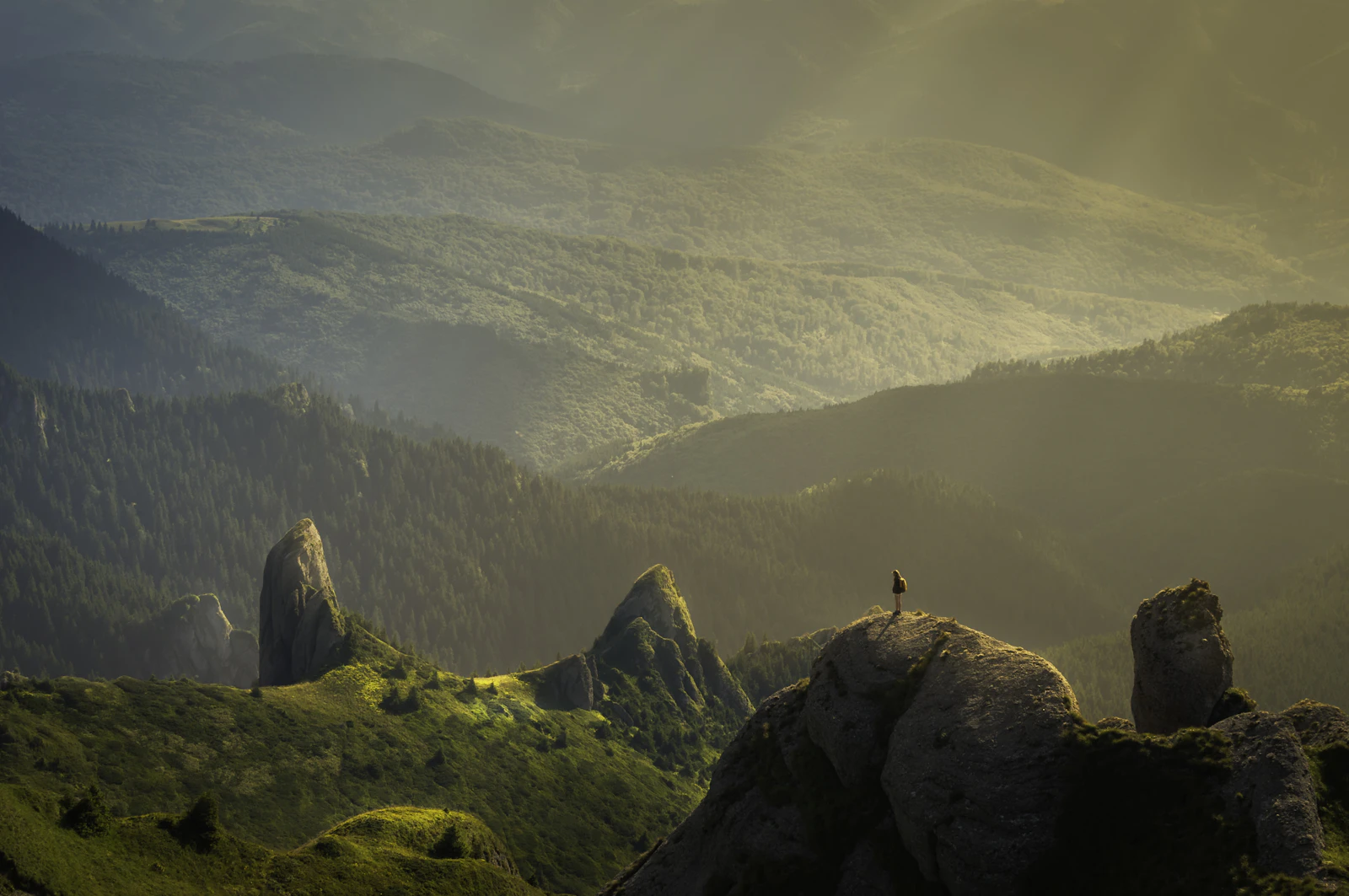
Jenny Lake Shuttle & Hidden Falls
Cuts four miles of flat trail so you spend the day at the good part.
Varies (estimate)
Partner link · Viator
Snake River Scenic Float
No rapids, no experience needed, and the best angle on the range.
Varies (estimate)
Partner link · Viator
Mormon Row Sunrise Photo Walk
The single most photographed sunrise in Wyoming — get there first.
Varies (estimate)
Partner link · Viator