
Glamping near Grand Lake offers the perfect middle ground for those who want to wake up to the sound of wind through the pines without the hassle of setting up a tent. As the western gateway to the Rockies, this area provides a variety of elevated outdoor stays that allow you to stay connected to nature while enjoying the comforts of a real bed and, often, a warm heater. It is an ideal way to experience the rugged beauty of Grand County with a touch of luxury.
What to Expect from Glamping Here
In the Grand Lake area, glamping typically takes the form of safari-style wall tents, rustic-chic yurts, or specialized small cabins. Unlike traditional camping, these accommodations come pre-furnished with comfortable mattresses, high-quality linens, and often decorative touches like rugs and lanterns. Many sites are situated on the edge of the forest or near the Colorado River, offering immediate access to the sounds and sights of the wilderness.
While you are 'roughing it' in style, remember that you are still in a high-alpine environment. Most glamping units are not as well-insulated as a standard hotel room. Even in the height of summer, temperatures in Grand Lake can drop into the 40s at night, so your glamping host will often provide wood-burning stoves or propane heaters. The experience is designed to be immersive, focusing on outdoor living with communal fire pits and shared outdoor kitchen spaces, encouraging a social atmosphere among travelers who love the outdoors.
Glamping vs. Traditional Camping and RVs
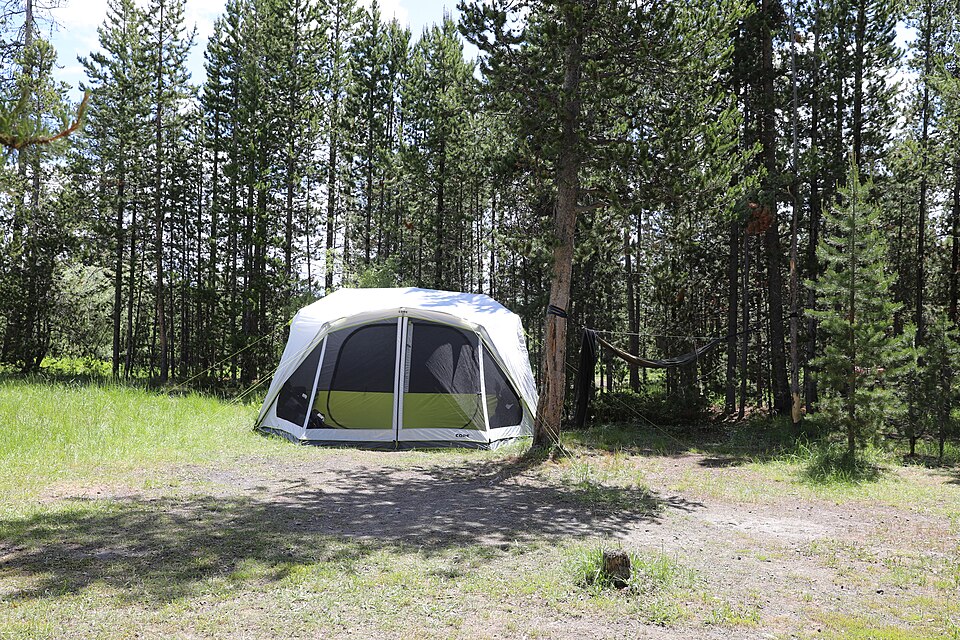
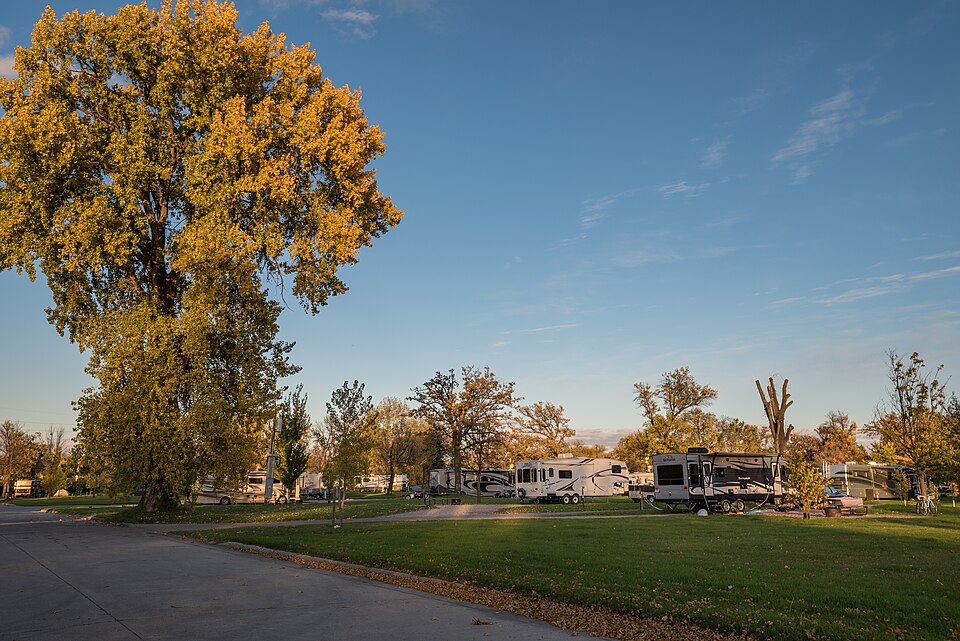
Choosing between glamping, camping, and RVing depends on the level of effort you want to put into your trip. Traditional camping in a tent requires the most gear and preparation, but it offers the most seclusion and the lowest cost. RVing is a popular choice for those traveling through Grand County, as there are several well-equipped parks in the area, but it requires driving a large vehicle through winding mountain passes and managing hookups.
Glamping removes the logistical hurdles of both. You don't need to pack a stove, a sleeping bag, or a tent. It is a 'turn-key' outdoor experience. For families or couples who want the campfire experience without the discomfort of sleeping on the ground, glamping is the superior choice. However, keep in mind that glamping is generally the most expensive of the three options, reflecting the curated experience and amenities provided. It allows you to spend more time hiking and boating and less time managing your campsite.
Where to Find Glamping Sites
Most glamping opportunities are located just outside the town limits of Grand Lake or in the nearby gateway communities of Granby and Hot Sulphur Springs. There are established retreats along the Highway 34 corridor that offer canvas tents with stunning views of the Shadow Mountain Lake area. These locations are strategically placed to provide a sense of isolation while still being a short 10-to-15-minute drive from the restaurants and shops of Grand Lake village.
Some of the more unique sites are located on private ranch lands nearby, where you can stay in a yurt surrounded by rolling hills and hay meadows. Staying slightly outside of town often provides better stargazing opportunities, as the light pollution is minimal. When searching for sites, look for those that emphasize their proximity to the Arapaho National Forest or the Colorado River, as these will offer the best natural ambiance and easiest access to trailheads.
Seasonal Considerations for Glampers
The glamping season in Grand Lake is relatively short compared to lower-elevation destinations. Most canvas tent operations open in late May or early June and close by late September or early October. This is due to the heavy snowfall and freezing temperatures that characterize the region for much of the year. If you are looking for a winter 'glamp,' you will likely need to look for hard-sided yurts or tiny cabins that are specifically designed for four-season use.
Early June can still be quite chilly and damp, so the peak 'sweet spot' for glamping is July and August. During these months, the daytime weather is near perfect for enjoying an outdoor deck or a hammock. September is also a fantastic time for glamping, as the changing aspen leaves provide a stunning backdrop, though you should be prepared for much colder nights. Always check with your host about what heating options are available if you are booking during the shoulder weeks of the season.
Essential Packing and Logistics
Even though your glamping site will provide the basics, there are a few essentials you should bring to ensure a comfortable stay in the Grand Lake area. High-altitude sun can be intense, so bring plenty of sunscreen and a hat. Even if your tent has a heater, a pair of warm slippers or heavy wool socks is highly recommended for walking around on the wood floors at night. A headlamp is also useful for navigating to communal bathrooms or fire pits after dark.
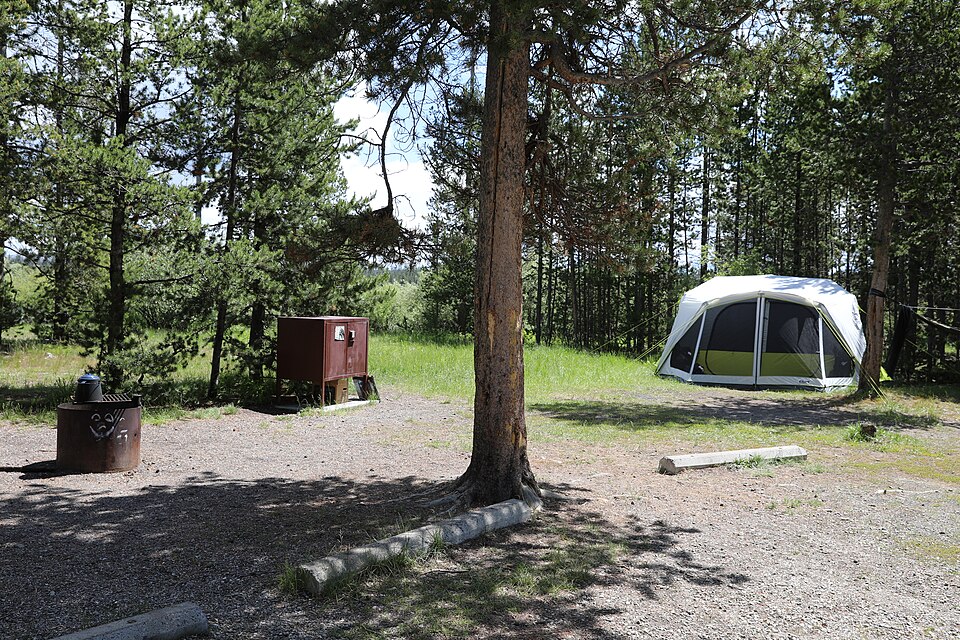
Since Grand Lake is in bear country, proper food storage is critical. Most glamping sites will provide bear-proof lockers or have strict rules about keeping food out of the tents. Never leave snacks or scented items like toothpaste inside your tent, as this can attract wildlife. Finally, because these sites are in high demand and limited in number, you should aim to book your glamping stay at least four to six months in advance, especially for weekend stays during the summer months.