
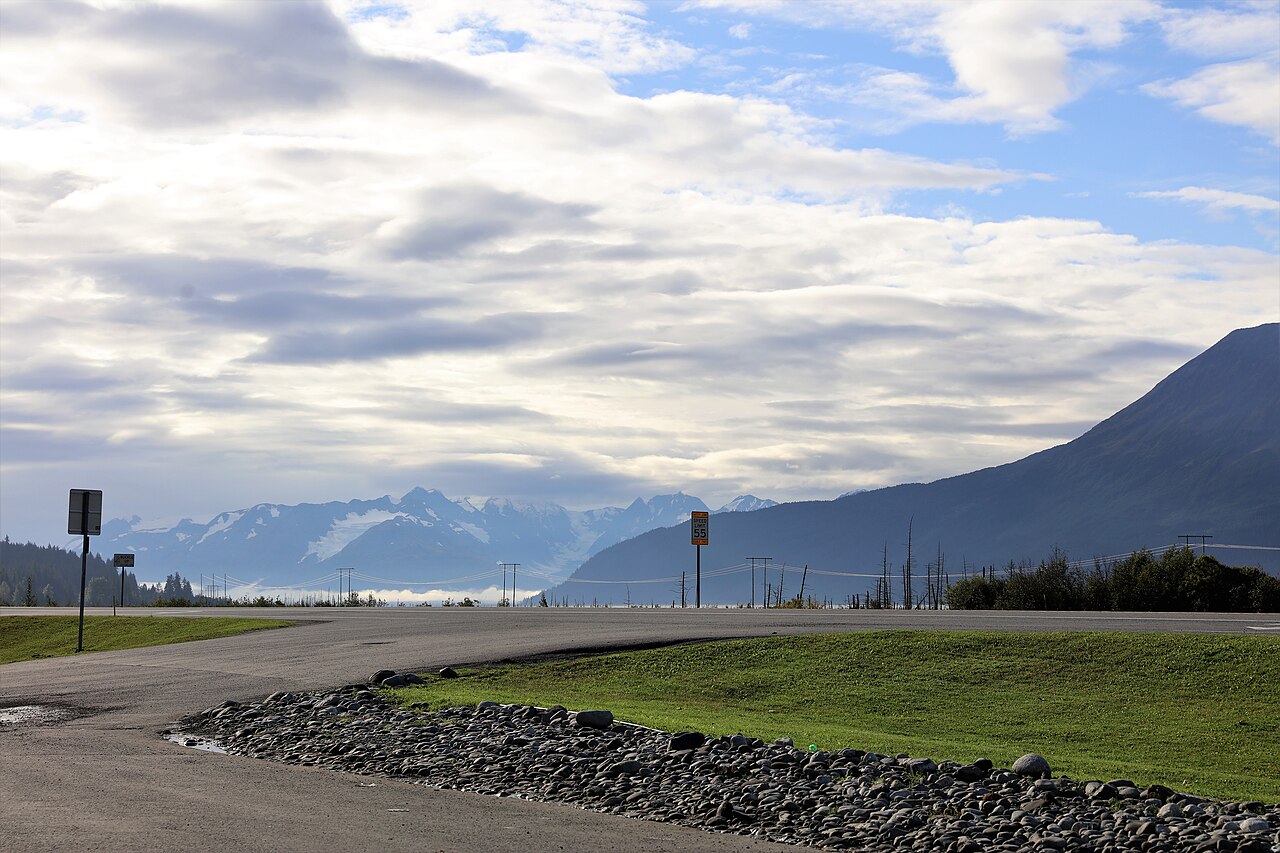
Girdwood is a rare gem where the rugged Chugach Mountains meet the lush northernmost reaches of the temperate rainforest. Choosing the best time to visit Girdwood depends entirely on whether you prefer carving through world-class powder or hiking through fields of wildflowers under the midnight sun. Located just forty miles south of Anchorage, this valley experiences a coastal climate that brings heavy snowfall in the winter and refreshing, cool temperatures throughout the summer months.
Summer: The High Season of Daylight
Summer, spanning from June through August, is widely considered the best time to visit Girdwood for outdoor enthusiasts who want to maximize their time on the trails. During this period, the valley is vibrant green, and the days are exceptionally long, with nearly 20 hours of daylight to explore the surrounding wilderness. Temperatures are mild, typically ranging from the mid-50s to the low 70s, making it perfect for strenuous hikes like the Winner Creek Trail or the steep climb up North Face.
Because this is the peak travel window for Alaska, you should expect higher volumes of visitors and increased prices for local lodging. Early summer offers the best chance for clear skies, while August tends to bring more frequent rain showers as the season transitions. It is a fantastic time for berry picking, watching salmon run in nearby streams, and enjoying the lively atmosphere of the town's small-scale summer festivals and outdoor markets.
Winter: A Paradise for Snow Seekers
For many, the best time to visit Girdwood is during the deep winter months from January to March. As a premier destination for downhill skiing and snowboarding, Girdwood transforms into a bustling winter wonderland when the snow accumulates in the high alpine bowls. The town receives a staggering amount of snowfall, often measured in hundreds of inches, which provides a reliable base for winter sports.
While December is the darkest month, the return of the sun in February and March brings longer days and often clearer skies, ideal for seeing the aurora borealis dancing over the peaks. Winter visitors should be prepared for cold temperatures and variable conditions, ranging from crisp, dry mountain air to wet coastal snow. Beyond the ski slopes, this season offers opportunities for snowshoeing, fat biking through the woods, and cozying up in local eateries while watching the snow fall against the dramatic mountain backdrop.
Shoulder Seasons: Spring and Autumn
The shoulder seasons in Girdwood, occurring in May and September, offer a quieter, more contemplative experience for travelers looking to avoid the crowds. May is often referred to as 'breakup' season, where the snow melts and the valley begins to wake up. While some higher elevation trails may still be muddy or snow-covered, it is a great time to spot wildlife emerging from winter slumber and to see the waterfalls at their most powerful due to the melting snowpack.
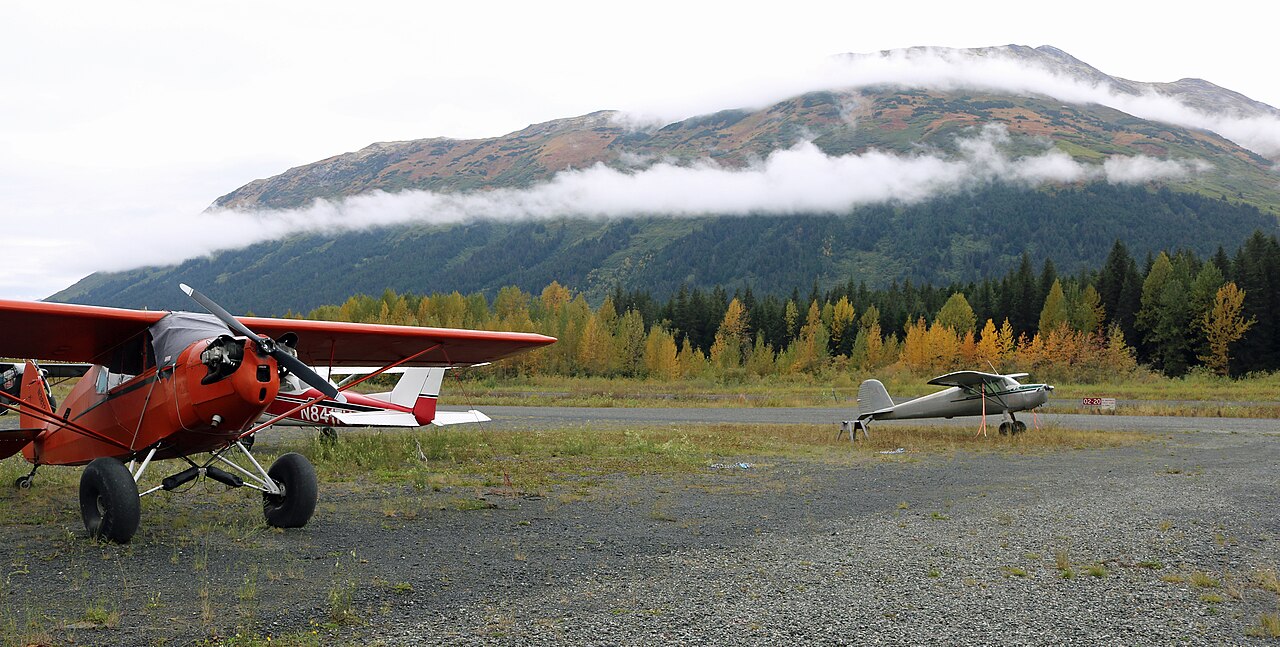
September is particularly stunning as the tundra on the mountain slopes turns vibrant shades of red and gold. The air becomes crisp, and the first dusting of snow, known locally as 'termination dust,' begins to appear on the highest peaks. While many seasonal tours begin to wind down, the sense of solitude is palpable. It is a budget-friendly time to visit, though travelers should pack plenty of waterproof layers and be prepared for shorter days and unpredictable weather shifts.
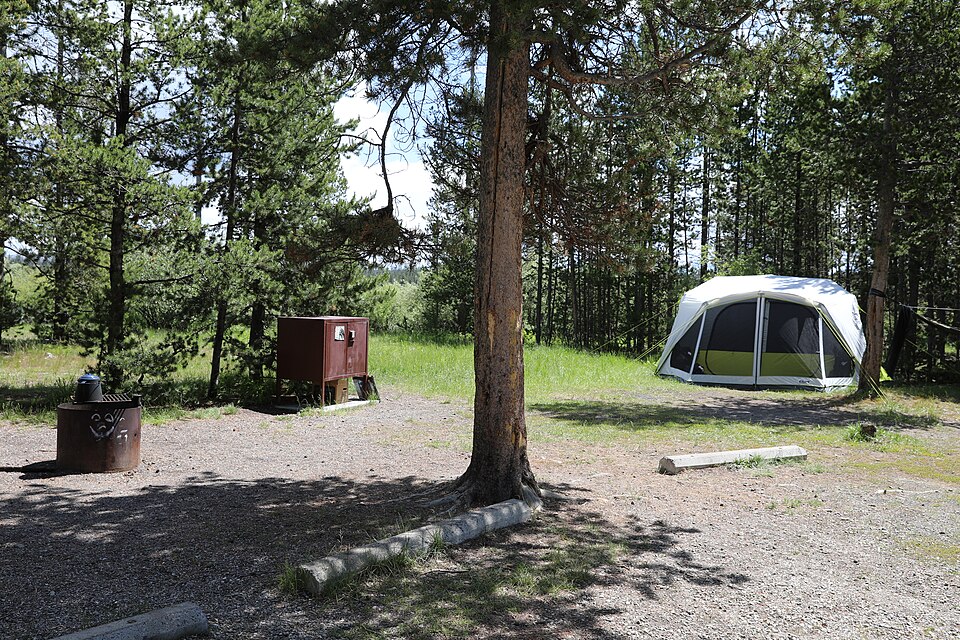
Lock in a stay for this season
Harvest Hosts stays on the way to Girdwood
Partner link · Harvest Hosts
Managing Crowds and Logistics
Girdwood is a popular weekend getaway for residents of Anchorage, meaning that Saturdays and Sundays are consistently busier than weekdays throughout the year. If your schedule allows, visiting mid-week will provide a much more tranquil experience at local trailheads and restaurants. During the peak of winter and the height of summer, the town can feel quite full, and parking at popular spots may become competitive by mid-morning.
Reservations are highly recommended for any guided excursions, such as glacier trekking or dog sledding tours, at least several months in advance. Similarly, lodging in Girdwood is limited compared to larger cities, so booking your stay early is essential to secure your preferred location. Always check the official National Forest or state park websites before heading out, as trail closures due to bear activity or weather conditions can occur unexpectedly during any season.
Weather Patterns and Packing Essentials
Regardless of when you decide is the best time to visit Girdwood, the key to a successful trip is preparation for the maritime climate. The valley is known for its humidity and frequent precipitation, which fuels the lush rainforest ecosystem. Even in the middle of summer, a waterproof rain jacket and sturdy, moisture-wicking layers are non-negotiable. Temperatures can drop significantly as you gain elevation on the mountain, so a warm mid-layer is useful even on sunny days.
In the winter, high-quality insulated boots and windproof outerwear are necessary to stay comfortable in the sub-freezing temperatures and heavy snowfall. If you are visiting during the transition months, waterproof footwear is particularly important for navigating muddy trails. By packing versatile clothing and staying flexible with your itinerary, you can enjoy the dramatic beauty of Girdwood regardless of what the Alaskan sky decides to do. Always keep a close eye on local forecasts and mountain weather reports for the most accurate daily information.
More ways to book Girdwood
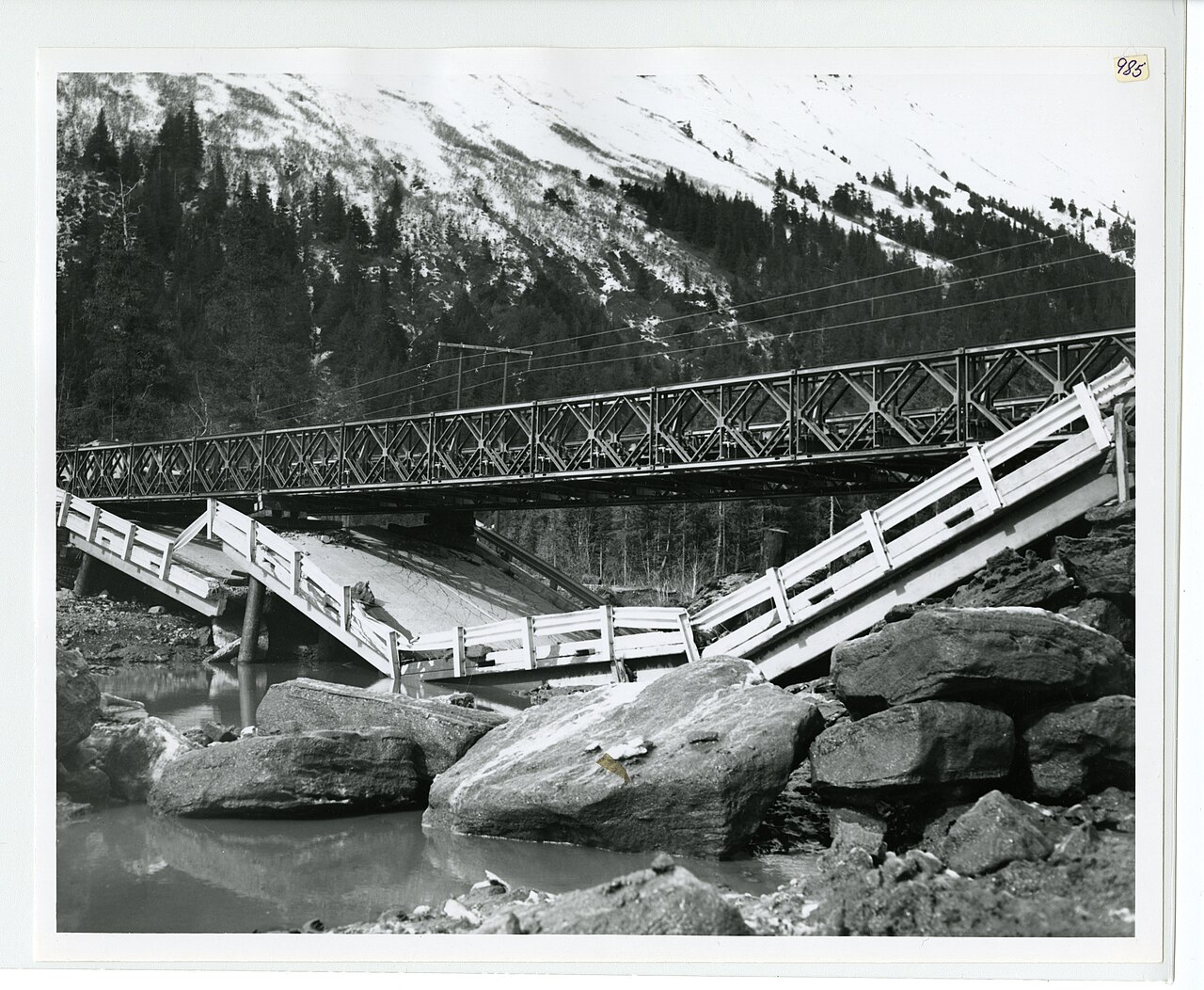 Illustrative · The U.S. National Archives
North Face Trail Hike
One of the classic ways to experience Girdwood.
Varies (estimate)
Partner link · Viator