
Gatlinburg glamping usually means staying outside the busiest downtown blocks in a furnished tent, a dome-style unit, or another comfort-focused outdoor rental. The label varies widely, so the bathroom, heating, road access, and cooking setup matter more than the photos. For a two- to four-day mountain trip, choose a location that supports your planned park outings without turning every meal or trail visit into a long drive.
What Glamping Actually Includes
Glamping sits between a traditional campsite and a conventional hotel, but there is no single standard package. A furnished tent might provide a bed and electricity while using shared bathrooms. Another rental might have an enclosed bathroom, heating, air conditioning, and a kitchenette. Cabins are also marketed alongside glamping stays, even when the experience is closer to a vacation rental than camping.
Read the complete amenity list and ask about anything essential. Confirm whether bathrooms are private, how far you must walk to them, whether linens are supplied, and what cooking equipment is included. Check whether parking is beside the unit or requires carrying bags uphill. Mountain properties can have stairs, uneven paths, and limited accessibility. If traveling with children, review sleeping arrangements and outdoor hazards rather than assuming every elevated deck or open fire area suits every age.
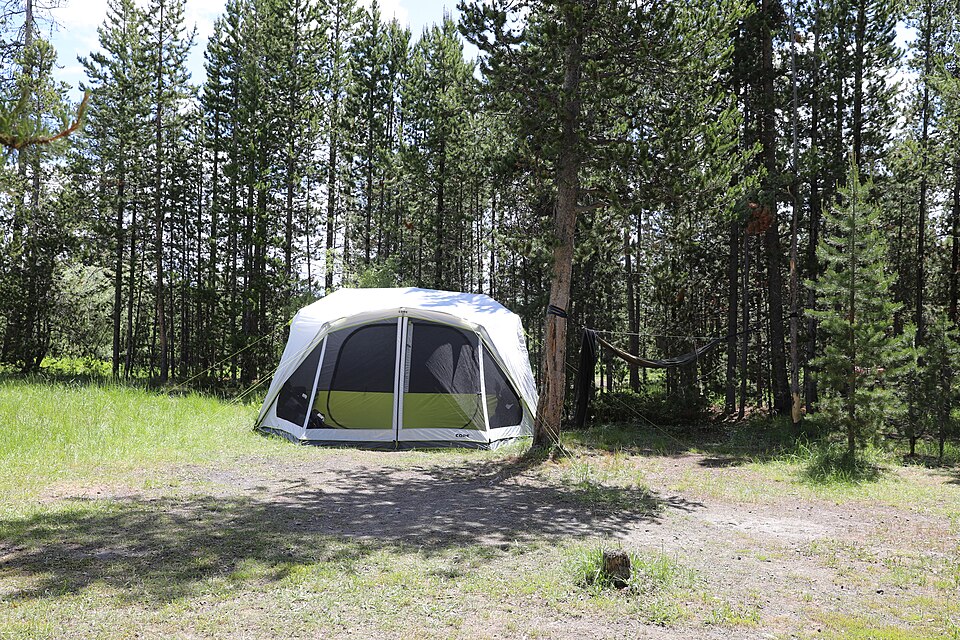
Where to Look Around Gatlinburg
Begin your search with Gatlinburg's outskirts if you want reasonable access to downtown and the Sugarlands entrance area. The Pittman Center area east of town can appeal to travelers looking for a less urban setting, though reaching specific park destinations still requires route planning. Farther toward Cosby, the atmosphere is generally more rural, with a different balance of services and driving needs.
Sevierville and the Wears Valley area offer additional lodging territory beyond Gatlinburg itself. Wears Valley may be useful for outings toward the western side of the park, while a Sevierville address can cover a broad area with very different travel times. Do not book from the town name alone. Compare the property's actual location with your intended trailheads, grocery stops, and evening plans. Ask about steep access roads and parking, especially if arriving after dark or during colder weather.
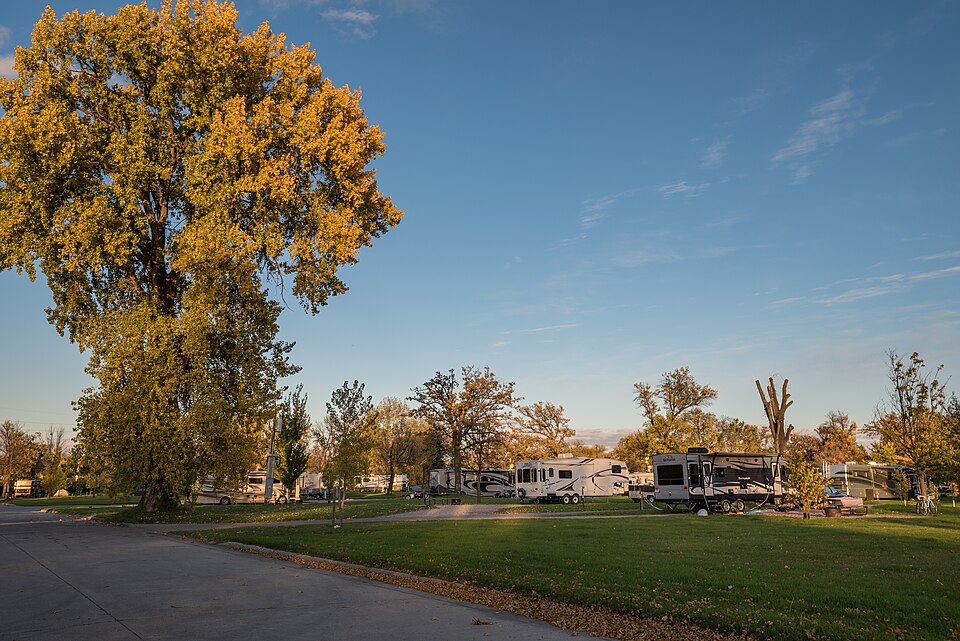
Choose the Season to Match the Shelter
Spring and fall can be appealing for outdoor meals and evenings around camp, but overnight temperatures vary sharply with elevation and weather. A comfortable afternoon in Gatlinburg does not tell you how a tent will feel after midnight. Ask whether heat is available, what type it is, and whether the rental is intended for colder nights.
Summer brings warm, humid conditions and insects, making screened openings, ventilation, or air conditioning worth checking. Rain is possible in every season, so look for a covered area where your group can sit without being confined to the sleeping space. Winter requires closer attention to insulation, plumbing, road access, and operating dates; not every glamping property stays open year-round. Reserve earlier for summer holidays and fall foliage weekends. Before departure, check local forecasts and the official park site for current road and trail conditions.
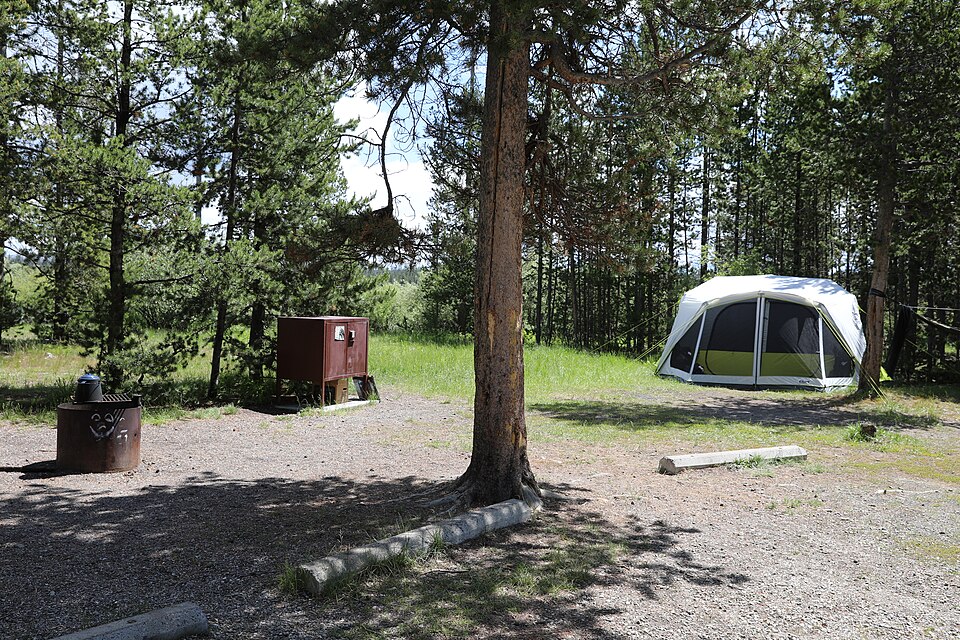
Glamping Versus Tent Camping, Cabins, and RVs
Choose glamping when you want an outdoor setting without transporting a full sleeping and shelter system. Traditional tent camping offers more control over your setup and may cost less, but you supply the gear and manage wet-weather comfort yourself. Park campgrounds have their own facilities and rules; do not assume they offer showers, hookups, or the same amenities as private campgrounds.
A cabin often works better when your group needs a full kitchen, separate bedrooms, or dependable indoor space for several rainy days. An RV provides its own living area, but site length, hookups, dump facilities, and mountain-road suitability require planning. Not every driveway or campsite can accommodate a large rig. Compare total costs as rough estimates rather than assuming one category is always cheaper. Cleaning fees, equipment rental, fuel, food storage needs, and minimum-stay rules can change the overall picture.
Booking Details and Responsible Mountain Stays
Before paying, review cancellation terms, minimum stays, pet policies, and the full total with required fees. Ask whether the setting is genuinely private or part of a cluster of closely spaced units. Photos may not show nearby roads, neighboring decks, or shared facilities. Confirm cell reception or Wi-Fi if you need connectivity, but download directions before traveling regardless.
Black bears live throughout the Smokies region, including areas outside the national park. Follow the property's food-storage instructions, keep trash secured, and never leave food on a deck or in a tent. Use only approved fire areas, follow current burn restrictions, and check firewood rules rather than transporting wood from home. For park visits, consult the official NPS website for parking tags, road conditions, campground reservations, and permits. Your lodging reservation does not automatically include park parking or access to separately managed activities.