
Franconia Notch glamping usually means staying near the state park rather than finding a furnished tent beside its most famous landmarks. Look around the surrounding White Mountains towns for cabins, furnished outdoor accommodations, and other comfort-focused stays, then check exactly what each listing includes; a real bed, private bathroom, reliable heat, and a place to cook are separate features, not promises built into the word glamping.
What Glamping Looks Like Near Franconia Notch
Glamping is a broad description here, not a standardized lodging category. A search may turn up a furnished tent, a small cabin, a yurt-style accommodation, or a compact rental with outdoor space. Availability changes, so use those as search categories rather than assuming every style is offered near your preferred trailhead.
Read the practical details before focusing on photographs. Ask whether bedding is included, whether the bathroom is private or shared, and how far you must walk from parking. A cabin with electricity can still require a trip outdoors to reach toilets. A tent with a comfortable mattress may have no heat or running water.
Also check cooking arrangements, drinking-water access, and rules for food storage. These details matter after a long hike when restaurants require another drive. Treat the stay as a base for exploring Franconia Notch, and confirm its exact map location instead of relying on a broad White Mountains label.
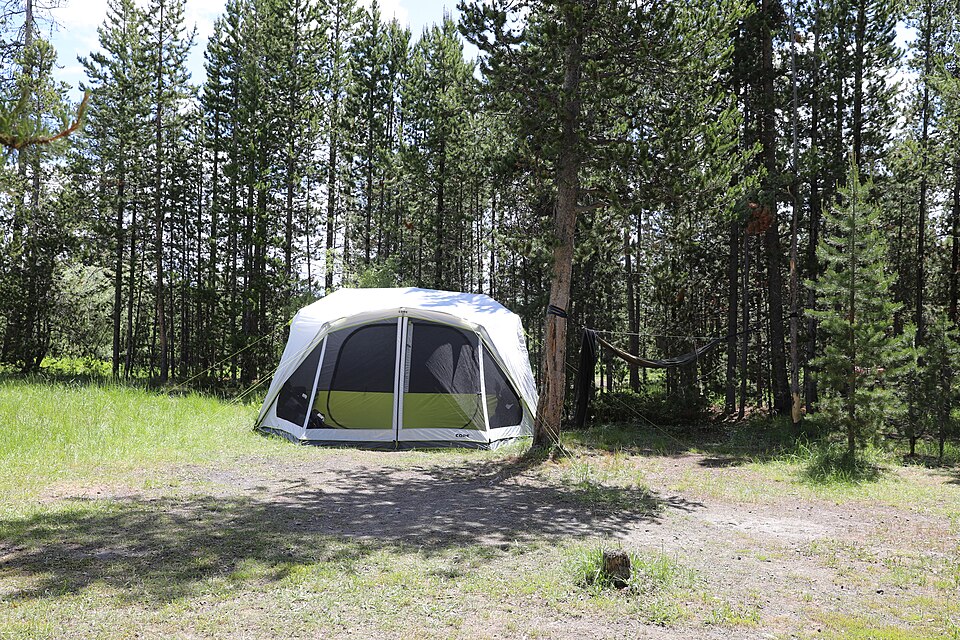
Where to Search: Lincoln, Woodstock, and Franconia
Lincoln and Woodstock are practical search areas south of the notch, especially if you want access to meals, groceries, and the route toward Flume Gorge. They also work well for travelers adding a drive on the Kancamagus Highway. A listing outside town may feel secluded while still requiring a car for nearly every errand.
Franconia is a useful northern base for visits centered on Cannon Mountain, Echo Lake, and the upper end of the park. Nearby Sugar Hill can appeal to travelers looking for a quieter rural setting. Littleton offers another town-based search area, though staying there adds travel between your lodging and the notch.
Compare actual addresses, not just destination tags. Some properties marketed as White Mountains stays are far from your planned activities. Check the route to both your lodging and your first trailhead, including whether access involves unpaved roads. Confirm seasonal road access directly with the host before booking a remote stay.
Choose the Season Around Your Accommodation
Summer is the most straightforward season for tent-based glamping because nights are generally milder and the park's warm-season activities are more widely available. Even then, mountain evenings can feel cool, and heavy rain can expose the difference between an attractive setup and a well-equipped one. Look for a covered place to sit and a way to dry wet layers.
Spring requires more questions about heat, mud, and seasonal opening dates. Snow can linger on nearby mountain trails long after lower roads are clear. In late spring and early summer, insect screens and a comfortable indoor or enclosed space can make a substantial difference.
Fall is appealing for foliage, but an unheated tent may be uncomfortable during cold nights. Confirm the heating system rather than accepting a general description of coziness. Winter calls for explicitly winterized lodging, dependable access, and clear water and bathroom arrangements. Do not assume a summer glamping accommodation operates year-round.
Glamping vs. Tent Camping vs. an RV Stay
Choose glamping when you want less equipment to transport and a more comfortable place to sleep after hiking. The tradeoff is that the accommodation may cost more than a basic campsite while still lacking some hotel conveniences. Compare the complete setup, including bathrooms, linens, cleaning expectations, and cooking facilities, before deciding that it simplifies your trip.
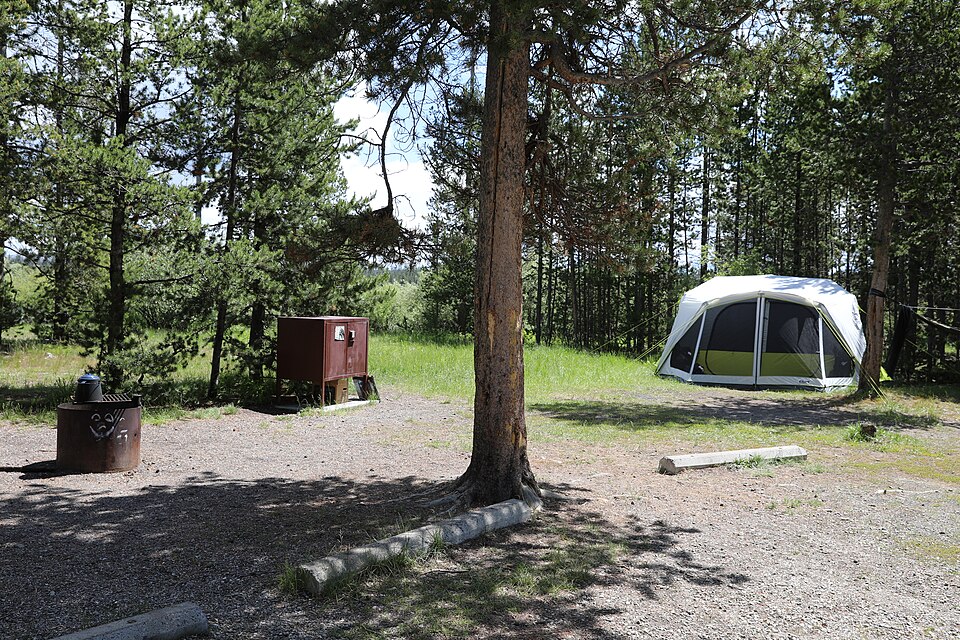
Traditional tent camping offers a more direct outdoor experience and lets you bring familiar equipment. Lafayette Place is the state park's established camping area, but check the official New Hampshire State Parks website for current site details, seasonal operations, and reservations. Do not assume conventional campsites include furnished shelters.
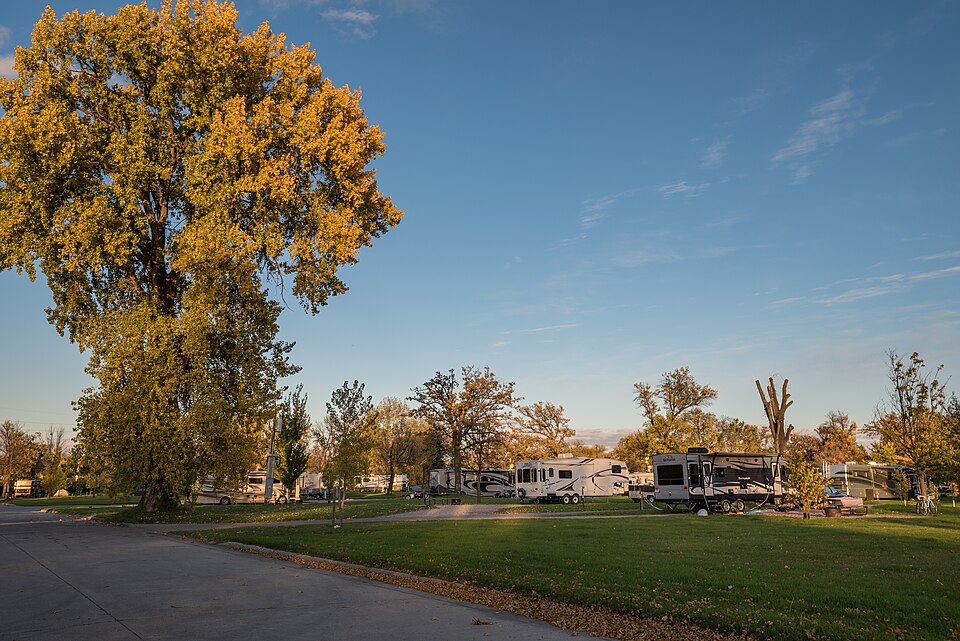
An RV provides its own living space but introduces vehicle-size restrictions, hookup questions, and parking logistics. Review the current arrangements for Cannon Mountain RV camping if considering an in-park option. A reserved overnight space does not solve daytime parking at popular attractions, and a large vehicle can make spontaneous stops less convenient.
Booking Checklist, Rough Costs, and Park Etiquette
Glamping costs vary widely with season, accommodation type, and how much privacy or infrastructure is included. Use advertised nightly rates only as rough starting estimates, then review cleaning charges, taxes, minimum stays, and cancellation terms. A furnished tent with shared facilities and a heated cabin with a private bathroom are not directly comparable products.
Before booking, confirm pet rules, child suitability, parking, check-in arrangements, and the response plan if severe weather affects the accommodation. Ask whether campfires are allowed and whether a fire ring is provided. Follow current fire restrictions and local guidance on firewood rather than transporting wood from far away.
Keep food secured, respect quiet hours, and use designated waste facilities. The surrounding woods are wildlife habitat even when your bed has proper linens. Separately check the official New Hampshire State Parks website for attraction reservations and current conditions. Lodging hosts can offer useful local context, but their advice does not replace current park notices.