
This Flaming Gorge itinerary uses three days as a comfortable middle ground, with options to shorten the trip or add another lake day. Because no arrival airport or drive estimate is specified, treat the first day as an adjustable arrival day rather than a fixed travel schedule. The reservoir spans Wyoming and Utah, so choose your overnight base before deciding how much driving to include.
Day 1: Arrive Through Wyoming and Settle In
If you are approaching from Interstate 80, Green River or Rock Springs makes a practical place to buy groceries, fill the tank, and check the forecast before heading toward the reservoir. Choose a Wyoming-side base if open-water scenery and convenient access from the interstate are your priorities. Buckboard is one established recreation area to consider when researching camping and boat access.
Keep the first afternoon simple: check in, organize food and equipment, and take a short shoreline walk near your base. An arrival-day paddle only makes sense if you have adequate daylight, suitable conditions, and equipment already arranged. Otherwise, save the water for a fresh morning.
If your lodging is near Manila or Dutch John in Utah, continue there instead of adding a Wyoming overnight solely to match this outline. Check the official recreation area pages for access updates, and download maps before leaving a town with reliable connectivity.
Day 2: Give the Reservoir Your Best Weather Window
Make the second day your main lake day, but let the forecast determine the order. After checking wind and storm conditions, launch from an established access point close to your overnight base. Keep a recreational kayak outing near shore and within your group's experience, with enough time to return before fatigue or changing conditions narrow your choices.
Bring life jackets, food, drinking water, sun protection, and an extra layer. If renting equipment, confirm where pickup and return happen; a rental reservation does not necessarily include delivery to your campsite or preferred launch. Avoid adding a distant scenic drive immediately after a demanding outing.
Spend the afternoon resting at camp, exploring another nearby viewpoint, or taking a short walk. Anglers should verify the appropriate state license and rules for the exact water they plan to fish. End the day by checking tomorrow's roads and weather before committing to the southern canyon sights.
Day 3: Explore the Utah Canyon Country
Use the third day for the southern reservoir's canyon scenery. From a Wyoming base, this can involve substantial driving, so start with a realistic map check rather than assuming nearby-looking sights connect directly. Red Canyon overlooks are a strong priority, with a short rim walk offering more time to absorb the landscape than a quick photo stop.
Choose either Sheep Creek Geological Loop near Manila or the Flaming Gorge Dam area as your additional focus, depending on your base, departure direction, and current access. Trying to include every scenic road, the dam, and a long hike can turn a rewarding day into a rushed circuit.
Carry lunch and water so you can stop where facilities and parking allow. If you want to enter a visitor center or join a dam program, confirm availability ahead of time. Return to your base or continue toward your next destination while leaving a comfortable daylight buffer.
Day 4, or How to Make This a Two-Day Trip
With a fourth day, resist the urge to add another long transfer unless it serves a specific interest. An extra morning at the reservoir gives you a backup if wind disrupted the original paddle. You could also research a guided Green River outing below the dam, recognizing that it requires separate arrangements and is not simply another reservoir launch.
If you prefer walking, return to the Red Canyon area for a longer route appropriate to current conditions and your abilities. A fourth day also makes changing from a Wyoming base to a southern Utah base more reasonable, since you have time to unpack and enjoy both.
For a two-day visit, stay in one area. Pair arrival-day viewpoints with a lake morning, or choose the southern overlooks and dam as a scenic trip. Skip the full reservoir circuit; time spent driving can otherwise consume much of a short weekend.
Airport Choices, Reservations, and Travel Logistics
No airport or airport-to-destination mileage was supplied, so there is no single transfer estimate built into this plan. Salt Lake City is one major-airport option to compare, while Rock Springs offers a closer regional option to research for current service. Compare flight schedules, rental vehicles, and the drive to your actual campsite or lodging before booking.
Reserve overnight stays first, especially for summer weekends, then arrange any equipment rental or guided activity. Check official Ashley National Forest, Flaming Gorge National Recreation Area, and Recreation.gov listings for current reservation rules, road access, fire restrictions, and available campground services. Dam-specific updates belong on the Bureau of Reclamation's official site.
Allow a flexible budget for fuel: distances between your base, launches, and viewpoints can add up. Lodging, campsite, and rental costs vary, so use current quotes rather than a fixed daily promise. Keep offline maps and extra supplies handy for stretches with limited services.
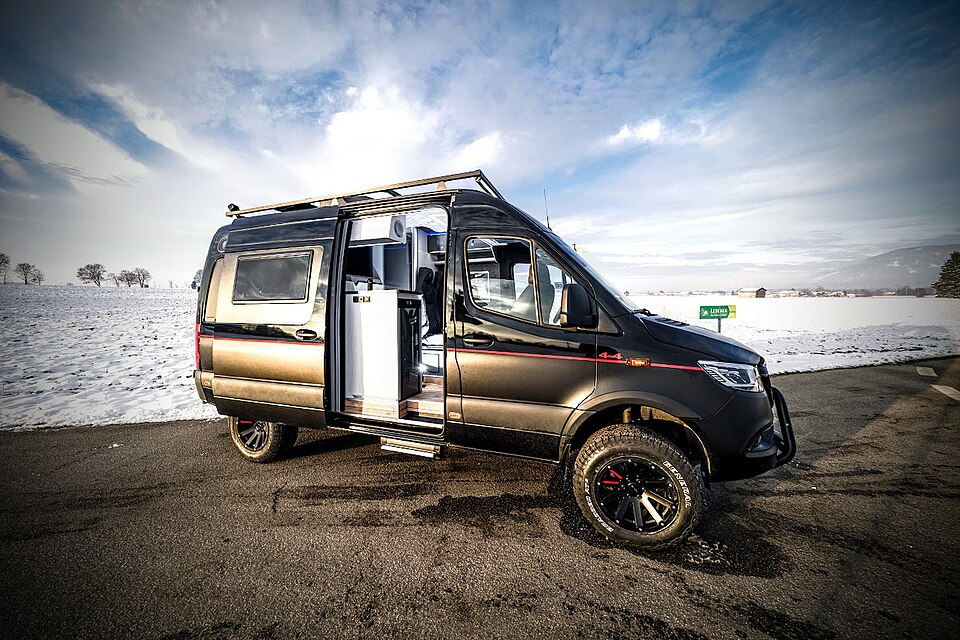
More ways to book Flaming Gorge
 Illustrative · Diego Angel
Sprinter Adventure Van
Small enough to park at the trailhead, comfy enough to sleep in.
$189/day (estimate)
Direct link · RVshare