
Escalante is a high-desert landscape where timing is everything for a safe and enjoyable adventure. The region experiences dramatic temperature swings, from freezing winter nights to blistering summer afternoons. Finding the sweet spot between the extreme heat and the monsoon rains allows you to explore the deep slot canyons and expansive plateaus of the Grand Staircase-Escalante National Monument comfortably. Most travelers find that the shoulder seasons provide the most reliable conditions for trekking and camping in this rugged terrain.
Springtime Bloom and Mild Temperatures
March through May is widely considered the best time to visit Escalante. During these months, the desert awakens with vibrant wildflowers and blooming cacti. Daytime temperatures typically hover between the 60s and 70s, which is ideal for long-distance hiking through dry washes and up steep slickrock inclines. However, spring in Southern Utah can be notoriously windy, with gusts that kick up fine red sand, so eye protection and buffs are essential gear.
While the air is warm, water temperatures in canyons like Zebra or Peek-a-Boo remain quite chilly from the winter runoff. If you plan on doing any hike that involves wading, be prepared for cold feet. This is also a period of high demand for local lodging and campsites, so it is wise to secure your arrangements several months in advance. The region's Bureau of Land Management visitor centers are great resources during this time to check on the navigability of unpaved roads after spring rain showers.
Autumn Clarity and Stable Weather
September and October represent another peak window for Escalante travelers. As the summer heat fades, the days become crisp and clear, offering some of the best visibility for photographers looking to capture the golden hues of the Navajo sandstone. The threat of monsoon-driven flash floods begins to diminish by mid-September, making it a safer time for deep canyon exploration. You will find that the cottonwood trees along the Escalante River turn a brilliant gold in late October, contrasting sharply against the deep blue desert sky.
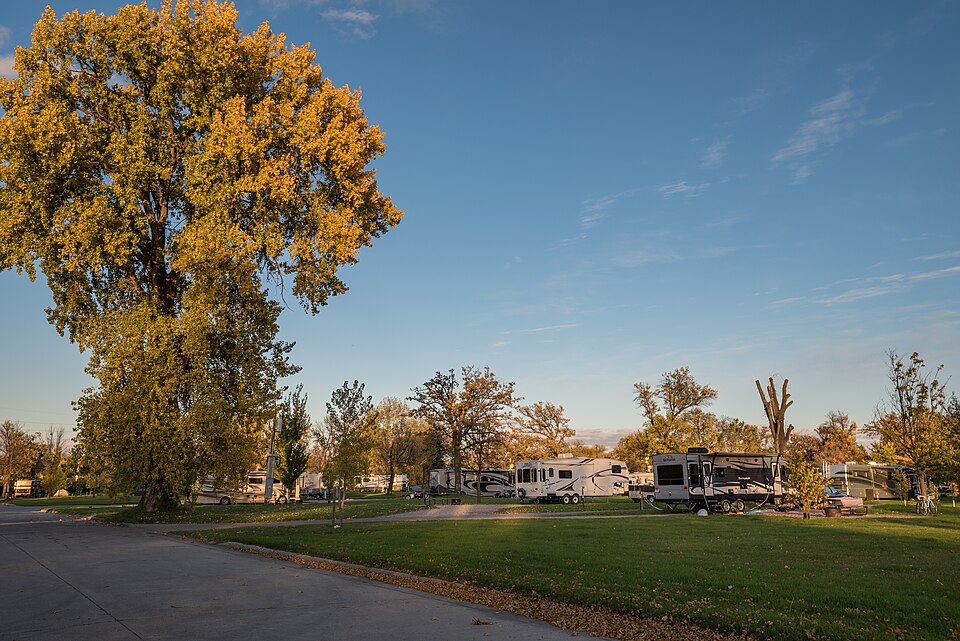
Nighttime temperatures start to drop significantly in the fall, often dipping near freezing. If you are camping or staying in an RV, ensure your sleep system is rated for cold weather. The crowds are slightly thinner than in the spring, but the town of Escalante remains busy with through-hikers and road-trippers enjoying the last of the temperate weather before the winter snow begins to dust the higher plateaus and surrounding peaks.
Navigating the Summer Heat and Monsoons
Summer in Escalante, spanning June through August, is a season of extremes. Daytime temperatures frequently soar above 100 degrees Fahrenheit, making strenuous hiking dangerous during the middle of the day. If you visit now, plan your outdoor activities for the very early morning hours and retreat to shade by noon. This is also the primary season for the North American Monsoon, which brings sudden, violent thunderstorms that can turn dry washes into raging torrents in minutes. Flash floods are a life-threatening reality in the slot canyons, and hikers must be hyper-vigilant about weather forecasts.
Despite the heat, summer is popular for those visiting the higher elevations of the nearby Aquarius Plateau, where temperatures are much cooler. The town itself feels quieter during the day as people hide from the sun. Always check the official NPS or BLM websites for current flash flood potentials before entering any narrow drainage, as storms miles away can cause water levels to rise rapidly in the canyons below.
Lock in a stay for this season
Harvest Hosts stays on the way to Escalante
Partner link · Harvest Hosts
Winter Solitude and Snowy Vistas
From November to February, Escalante enters a quiet hibernation. Winter is the least crowded season, offering a rare sense of solitude for those who don't mind the cold. High temperatures may only reach the 40s, while nights are consistently well below freezing. Snow is common, especially on the higher benches and along the scenic drive toward Boulder. While the white snow against the red rock is breathtakingly beautiful, it makes many of the unpaved backcountry roads impassable. The clay-heavy soil, known locally as gumbo, becomes incredibly slick and sticky when wet.
Many local businesses, including smaller cafes and gear shops, may operate on reduced hours or close entirely for the season. For the prepared traveler with a high-clearance 4WD vehicle and heavy winter gear, this is an excellent time for photography and short hikes. However, you should be self-sufficient and carry extra supplies, as rescue services are more difficult to coordinate in the remote backcountry during the winter months.
Crowds and Reservation Timing
Escalante has transitioned from a hidden gem to a bucket-list destination, meaning that planning ahead is more important than ever. During the peak months of April and October, campsites at places like Petrified Forest State Park fill up months in advance. If you are seeking backcountry permits for overnight trips into the canyons, these are often required and should be researched via the official Bureau of Land Management portals before your arrival. The town of Escalante serves as the primary hub, and its limited lodging options can reach capacity quickly during holiday weekends.
To avoid the largest crowds, try visiting during the mid-week period rather than Friday through Sunday. The remote nature of the Grand Staircase-Escalante National Monument means that even during busy times, you can find peace if you are willing to drive further down Hole-in-the-Rock Road. Just remember that the further you go, the more you rely on your own preparation. Always leave your itinerary with someone and check current road conditions at the interagency visitor center before heading out on any unpaved route.
More ways to book Escalante
 Illustrative · TheManFromVisayas
Hole-in-the-Rock Road Drive
One of the classic ways to experience Escalante.
Varies (estimate)
Partner link · Viator