
Choosing the best time to visit Duluth depends entirely on your appetite for adventure and the legendary power of Lake Superior. Located on the edge of the world's largest freshwater lake, this port city experiences dramatic seasonal shifts that transform the landscape from a lush green playground to a frozen wonderland. Whether you are chasing the summer breeze or the crisp winter air, understanding the timing of the North Shore is essential for a successful trip.
Summer Solstice and Lake Breezes
Summer, particularly from late June through August, is widely considered the best time to visit Duluth for outdoor enthusiasts. During these months, the city comes alive with festivals, outdoor concerts at Bayfront Festival Park, and bustling activity along the Lakewalk. The average daytime temperatures hover in the comfortable 70s, though the lake acts as a natural air conditioner, often dropping temperatures by ten degrees or more the closer you get to the water.
This is the peak season for sailing, kayaking, and hiking the Superior Hiking Trail. Because of the ideal weather, this is also when the city is most crowded. Hotels in Canal Park often reach capacity months in advance, and popular trailheads can become busy by mid-morning. If you plan to visit during the Fourth of July or the Tall Ships festival, making reservations at least six months ahead is highly recommended to secure your preferred lodging and activities near the waterfront.
Autumn Colors and Hawk Ridge Migrations
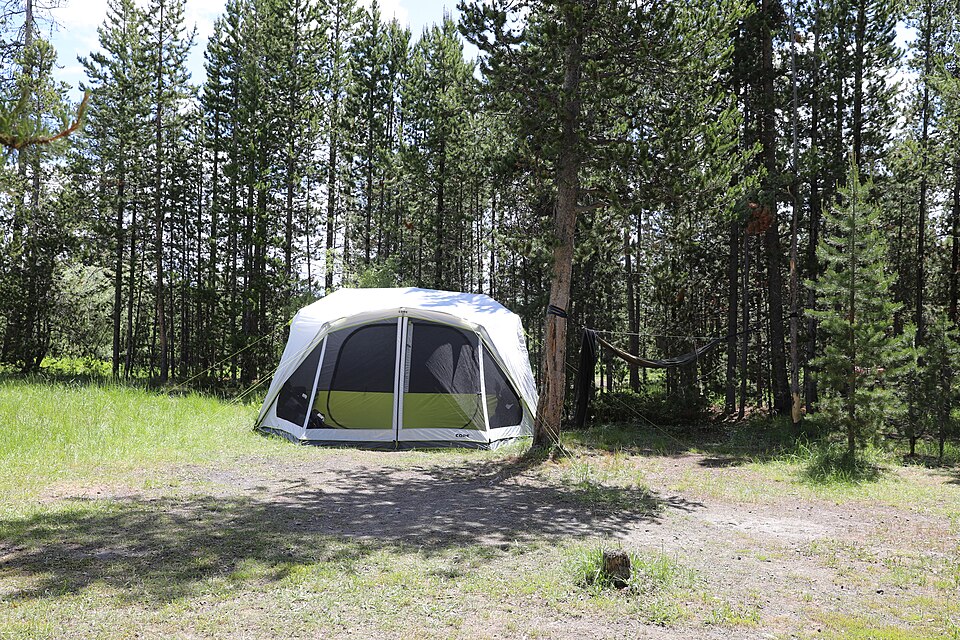
September and October offer a breathtaking transition as the boreal forests surrounding the city turn vibrant shades of crimson, gold, and orange. Many locals argue this is the true best time to visit Duluth, as the summer humidity vanishes and the air becomes crisp and invigorating. One of the highlights of fall is the raptor migration at Hawk Ridge, where thousands of hawks and eagles can be seen soaring over the bluffs.
Driving along Skyline Parkway during the peak of autumn provides some of the most spectacular vistas in the Midwest, with the deep blue of Lake Superior providing a stark contrast to the fiery foliage. While the daytime temperatures are perfect for hiking, nights can get quite chilly, often dipping toward freezing by late October. Crowds remain steady during weekend leaf-peeping trips, so mid-week visits are ideal for those seeking a quieter experience. It is important to pack layers, as the wind off the lake becomes significantly sharper during the autumn months.
Winter Adventures and Frozen Great Lakes
Winter in Duluth, spanning from December through March, is not for the faint of heart, but it offers a unique beauty found nowhere else. This is the season for downhill skiing at Spirit Mountain, fat biking on groomed snowy trails, and ice fishing on the protected bays of the lake. The city takes on a cozy atmosphere, with the Bentleyville Tour of Lights transforming the waterfront into a glowing holiday village.
Temperatures frequently drop below zero, and heavy snowfall is common due to the lake effect. However, this creates a paradise for winter sports enthusiasts. The sight of massive freighter ships navigating through chunks of harbor ice is a perspective few travelers get to witness. While tourism slows down compared to summer, winter weekends remain popular for regional skiers. If you visit during January or February, ensure your vehicle is equipped for snow and always check the official NPS or local weather sites for road conditions, as blizzards can occur suddenly along the North Shore.
Lock in a stay for this season
Harvest Hosts stays on the way to Duluth
Partner link · Harvest Hosts
The Quiet Beauty of Spring
Spring in Northern Minnesota, often referred to as 'mud season' or 'waterfall season,' typically lasts from April through May. As the ice begins to break up on Lake Superior and the snow melts in the highlands, the area's rivers and waterfalls reach their peak flow. Places like Lester Park and Congdon Park showcase rushing cascades that are far more impressive now than in the drier summer months.
While the weather can be unpredictableâranging from sunny 60-degree days to late-season snowstormsâthis is the most affordable time to visit. You will find the lowest lodging rates and the fewest crowds at popular attractions like the Great Lakes Aquarium. It is a time for quiet reflection by the shore, watching the lake's moods shift as the seasons turn. Be prepared for damp trails; many hiking paths are sensitive during the thaw, so staying on paved sections like the Lakewalk is a great way to enjoy the scenery without impacting the environment.
Navigating Crowds and Planning Ahead
Regardless of the season you choose, planning is the key to a smooth Duluth experience. The city hosts several major events, including Grandmaâs Marathon in June, which brings tens of thousands of visitors and closes many streets. During these peak windows, dining wait times can be long and parking near Canal Park can be challenging.
To avoid the heaviest crowds, consider exploring the city's western neighborhoods or the higher ridges away from the immediate harbor area. Mid-week stays generally offer a more relaxed pace and better availability at local eateries. Always remember that the North Shore weather is famously fickle; check the official park websites for current trail closures or weather advisories before heading out. Budgeting for your trip should account for higher seasonal demand in the summer, with daily costs often increasing for lodging and tours. By booking your permits and rooms early, you can ensure that your visit to this rugged gateway is both comfortable and memorable.

More ways to book Duluth
 Illustrative · Tony Webster
Canal Park Exploration
One of the classic ways to experience Duluth.
Varies (estimate)
Partner link · Viator