
Planning a trip to the Wind River Valley requires a balance between active adventure and taking the time to soak in the vast, open landscapes. This Dubois itinerary is designed to help you experience the best of the high desert and the alpine peaks in a compact three-day timeframe. Starting from your arrival at Central Wyoming Regional Airport or a scenic drive through the valley, you will quickly find yourself immersed in the authentic spirit of the American West.
Day 1: Arrival and Red Rock Exploration
Begin your Dubois itinerary by arriving at Central Wyoming Regional Airport (RIW) in Riverton. From there, it is a scenic 82-minute drive through the valley, covering approximately 74 miles. As you approach Dubois, the landscape shifts from flat plains to dramatic red rock badlands. After checking into your lodging, spend your first afternoon exploring the 'Red Desert' side of town. Take a light hike or a slow drive through the overlooks to see the striped hills that glow vibrantly at sunset.
For dinner, head to Main Street to experience the local hospitality. Dubois has a distinct cowboy feel, and many of the eateries reflect this with hearty western fare. Take a walk along the wooden boardwalks and get your bearings for the days ahead. If you are visiting during the summer, check the local calendar for the Friday night rodeo, which is the perfect way to kick off your immersion into Wyoming culture. End your evening by looking up; the lack of light pollution here makes for some of the best stargazing in the country.
Day 2: Alpine Lakes and Mountain Vistas
On the second day of your Dubois itinerary, itâs time to head into the mountains. Drive south toward the Trail Lake area, which serves as a major trailhead for the Wind River Range. One of the most popular hikes is the trail to Lake Louise. This moderate 4-mile round-trip hike takes you through rocky terrain to a stunning turquoise lake surrounded by towering cliffs. It is a great place to enjoy a packed lunch and take in the silence of the wilderness.
In the afternoon, continue your exploration by visiting the Torrey Basin to see the ancient petroglyphs. These rock carvings are thousands of years old and offer a powerful connection to the history of the Sheep Eater people. The drive itself is beautiful, passing through narrow canyons and alongside shimmering lakes. Keep an eye out for moose in the marshy areas near the water. By evening, head back to town to relax. If you have any energy left, a short walk along the Wind River via the townâs riverwalk is a peaceful way to wind down before dinner at a local bistro or tavern.
Day 3: Wildlife and High Passes
Dedicate the final day of your Dubois itinerary to the high country and the local wildlife. Start your morning at the National Bighorn Sheep Center to learn about the herd you might spot later. Then, drive west toward Togwotee Pass. This drive climbs significantly in elevation, offering breathtaking views of the Teton Range in the distance. There are numerous pullouts where you can stop to photograph the sprawling meadows and jagged peaks of the Absaroka Range.
Spend the afternoon at Whiskey Basin, where the bighorn sheep are most likely to be seen, especially in the cooler months. If you are a fan of history, stop by the Dubois Museum to see the exhibits on the Tie Hack eraâthe men who hand-hewed railroad ties from the local forests. As your trip concludes, take one last look at the Wind River flowing through town. Whether you are heading back to the airport in Riverton or continuing your road trip toward Yellowstone, the rugged charm of Dubois will likely stay with you long after you leave the valley.
Travel Tips for a Smooth Trip
When following this Dubois itinerary, keep in mind that the town sits at roughly 7,000 feet, and your hikes will take you even higher. Hydration is key to avoiding altitude sickness, so drink plenty of water throughout the day. The weather can change in an instant, even in mid-summer, so always carry a waterproof jacket and extra layers. Cell service can be spotty once you leave the main highway, so it is a good idea to download offline maps or carry a physical topographic map of the Shoshone National Forest.
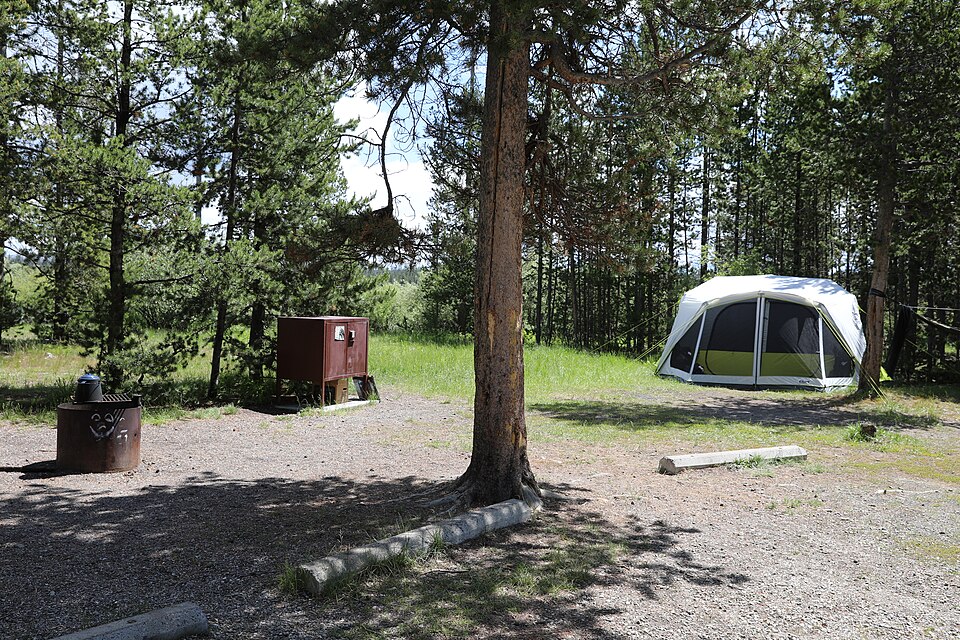
Additionally, be mindful that you are in grizzly bear territory. Carrying bear spray is a requirement for safety, and knowing how to store food properly if you are camping or picnicking is essential. Most local shops sell bear spray and can give you a quick tutorial on its use. Lastly, check the official NPS or forest service websites for any sudden road closures or fire restrictions, especially during the dry summer months. Being prepared allows you to focus on the beauty of the landscape rather than logistics.
Extending Your Stay
If you have more than three days, consider adding a day for fly fishing on the Wind River or a guided horseback ride through a local ranch. Many visitors use Dubois as a quieter alternative to Jackson Hole, staying here for a week to explore the southern entrance of Yellowstone National Park, which is about a 90-minute drive away. You could also spend a full day exploring the backroads of Union Pass, which offers endless miles for ATV riding or mountain biking.
For those who enjoy a slower pace, dedicating a day to just 'being' in townâvisiting the local library, chatting with residents at the bakery, and watching the sunset from the red hillsâcan be just as rewarding as a strenuous hike. Dubois is a place that rewards those who take the time to slow down. Regardless of how long you stay, ensure your itinerary remains flexible enough to account for the whims of mountain weather and the chance discovery of a hidden trail or a local event.

More ways to book Dubois
 Illustrative · Diego Angel
Sprinter Adventure Van
Small enough to park at the trailhead, comfy enough to sleep in.
$189/day (estimate)
Direct link · RVshare