
DeSoto National Forest represents the largest remaining expanse of the longleaf pine ecosystem in Mississippi. Choosing the right season is essential for enjoying the Black Creek Wilderness and the rolling hills of the coastal plain. While the forest is open year-round, the subtropical climate of southern Mississippi brings high humidity and intense heat during the summer months. For the most comfortable experience, visitors typically target the cooler window from mid-autumn through early spring when the air is crisp and the forest trails are most accessible.
Fall: The Prime Hiking Window
Autumn is widely considered the best time to visit DeSoto National Forest. Starting in October, the stifling humidity of the Gulf Coast begins to recede, replaced by mild afternoons and cool, refreshing nights. This is the ideal season for tackling long-distance stretches of the Tuxachanie Trail or the Black Creek National Scenic Trail. The forest floor becomes a tapestry of goldenrod and wild sunflowers, and the changing light filters beautifully through the towering pine canopy.
Because the ground is generally drier in the fall, low-lying areas near the creeks are easier to navigate without deep mud. Backpackers favor this window because campfire temperatures become comfortable, and the risk of afternoon thunderstormsâa staple of Mississippi summersâdrops significantly. By late November, the deciduous trees nestled along the riverbanks, such as red maples and sweetgums, provide a subtle but beautiful display of fall color against the evergreen backdrop of the longleaf pines.
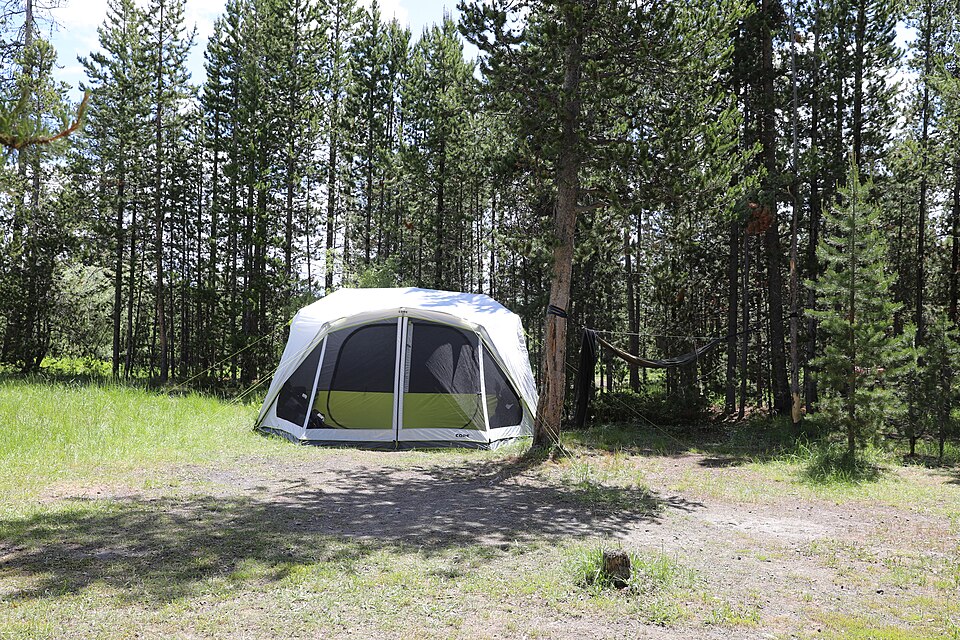
Lock in a stay for this season
RV parks near DeSoto National Forest on RoverPass
Partner link · RoverPass
Spring: Wildflowers and High Waters
Spring arrives early in southern Mississippi, usually by late February or early March. This is a spectacular time for botany enthusiasts, as the forest undergoes a massive transformation. You will find native azaleas, pitcher plants in the boggy savannahs, and dogwoods blooming throughout the understory. The weather is generally pleasant, though March and April can be quite rainy.
For those interested in paddling the Black Creek, spring provides the most consistent water levels. The winter rains fill the tributaries, ensuring that canoes and kayaks can glide over sandbars that might be exposed during the drier summer months. However, visitors should be mindful of the fluctuating temperatures; a warm 75-degree day can quickly be followed by a chilly night in the 40s. It is also the beginning of the active season for local wildlife, so birdwatchers will find migratory songbirds returning to the pine stands in high numbers.
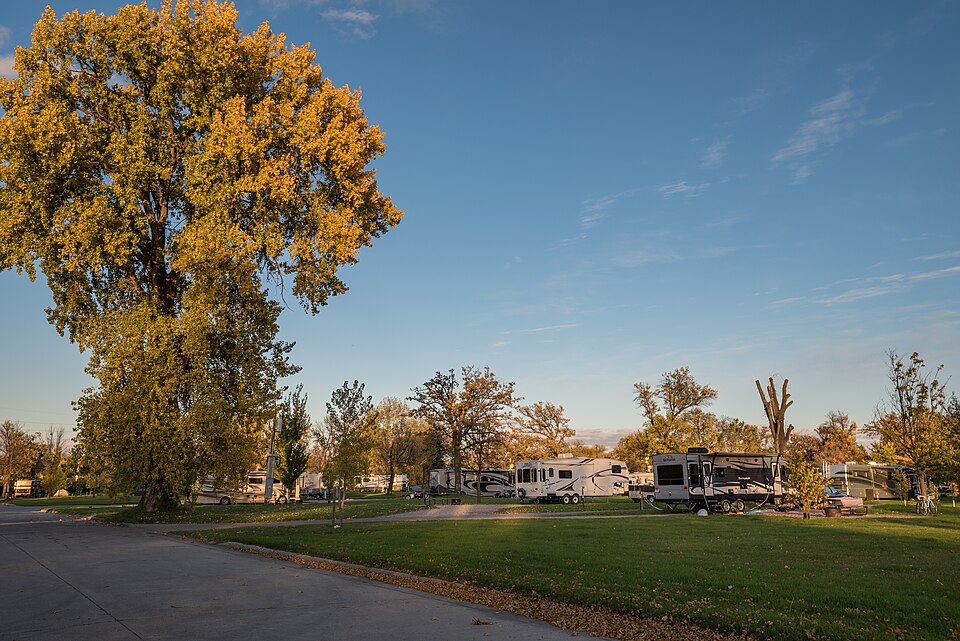
Lock in a stay for this season
Campsites near DeSoto National Forest on Campspot
Partner link · Campspot
Winter: Quiet Solitude and Clear Vistas
Winter in DeSoto National Forest is remarkably mild compared to northern climates. While freezing temperatures occur, they rarely last more than a day or two. For many, this is the most peaceful time to visit. With the deciduous undergrowth thinned out, visibility through the woods increases, making it easier to spot the rare red-cockaded woodpecker or white-tailed deer moving through the brush.
Campsites are rarely crowded in January and February, offering a sense of deep solitude that is harder to find in the spring. Biting insects, which can be a significant nuisance in the South, are virtually non-existent during these months. This makes winter the perfect season for primitive camping and long-distance horseback riding on the forest's extensive equestrian loops. If you enjoy crisp air and having the trails entirely to yourself, the winter months are a hidden gem for Mississippi outdoor recreation.
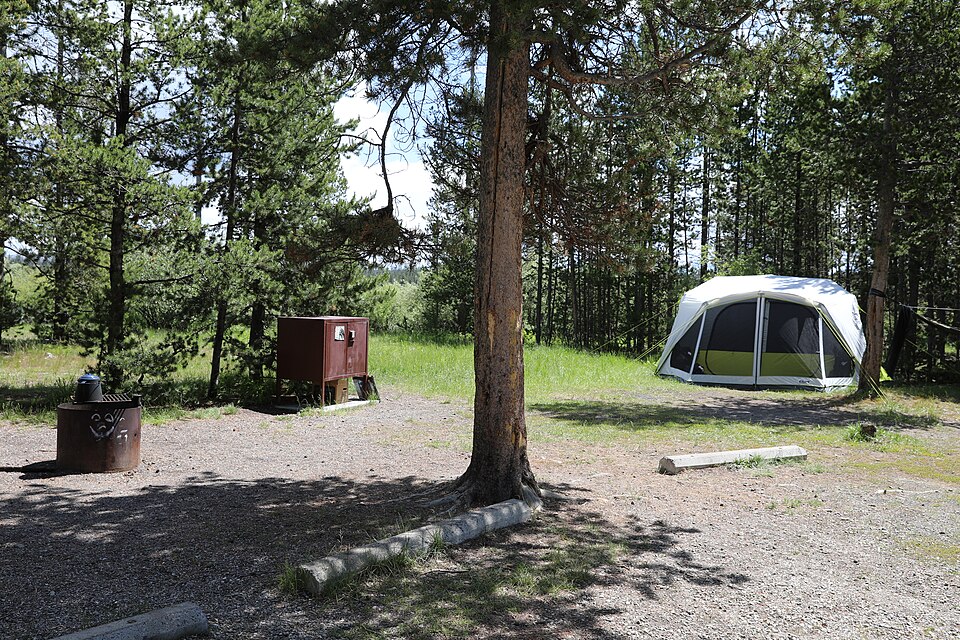
Lock in a stay for this season
Harvest Hosts stays on the way to DeSoto National Forest
Partner link · Harvest Hosts
Summer: Heat, Humidity, and River Life
Visiting during the summer requires careful planning due to the extreme heat and humidity characteristic of the Deep South. From June through September, temperatures frequently soar into the 90s, with heat indices often exceeding 100 degrees. During this time, the forest is best experienced on the water. Floating down the Black Creek is a popular way to stay cool, as the tea-colored water and shaded banks provide relief from the sun.
If you choose to hike in the summer, it is best to start at sunrise and be off the trail by midday. Afternoon thunderstorms are incredibly common and can be intense, though they often bring a temporary drop in temperature. Be prepared for a high population of mosquitoes and ticks; long sleeves and repellent are essential. Summer is also the peak season for local families visiting the swimming holes, so expect more company near the designated recreation areas and boat ramps.
Reservations and Crowd Management
DeSoto National Forest generally does not experience the overwhelming crowds seen in major National Parks, making it a great destination for those seeking a low-stress getaway. Most primitive camping areas operate on a first-come, first-served basis, providing significant flexibility for last-minute travelers. However, developed campgrounds like those near Big Biloxi or Ashe Lake may see higher traffic during holiday weekends in the spring and fall.
It is always wise to check the official National Forest Service website for current conditions, especially regarding controlled burns. The Forest Service frequently uses prescribed fire during the late winter and spring to maintain the longleaf pine ecosystem. These burns can lead to temporary trail closures or smoky conditions in specific sectors of the forest. Planning your visit around these management activities ensures a clearer, safer experience. For those bringing RVs, checking site availability during the popular March spring break window is highly recommended to secure a spot with hookups.
More ways to book DeSoto National Forest
 Illustrative · Forest Service Photography
Bethel Off-Road Trails
One of the classic ways to experience DeSoto National Forest.
Varies (estimate)
Partner link · Viator