

Denver is a rare four-season destination where the sun shines roughly 300 days a year, making it an outdoor lover's paradise regardless of the month. While the city itself stays relatively temperate, its proximity to the Front Range means you are always subject to the whims of mountain weather patterns. Determining the best time to visit Denver depends entirely on whether you are looking for high-altitude hiking, vibrant fall colors, or the excitement of a snowy urban winter.
Summer Highs and Peak Season
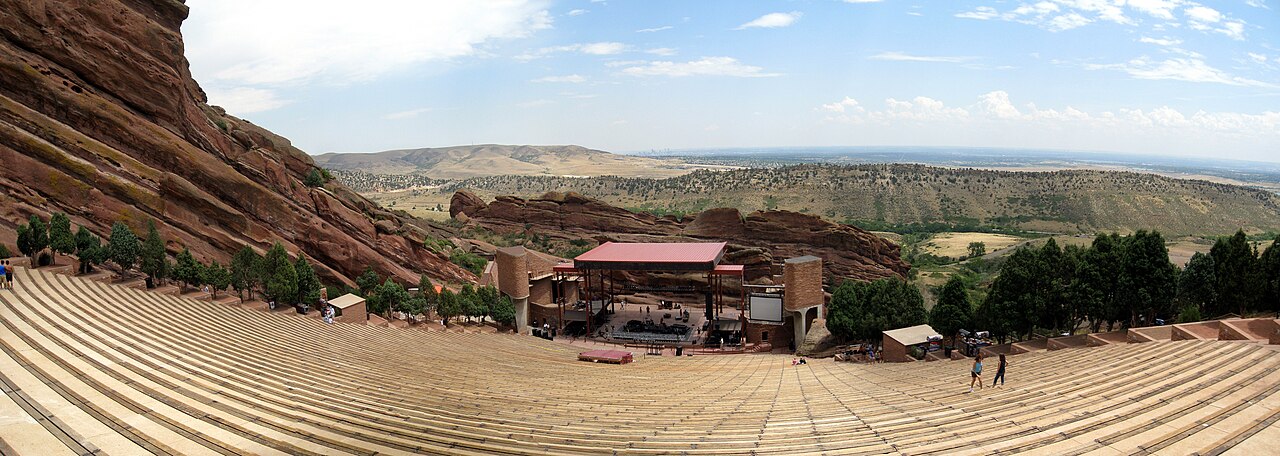
June through August is widely considered the peak season for Denver and the surrounding Rocky Mountain region. During these months, the high-altitude trails are finally clear of snow, allowing hikers to reach alpine lakes and jagged summits. In the city, the atmosphere is electric with outdoor concerts at Red Rocks Amphitheatre and bustling farmers markets in neighborhoods like LoDo and the Highlands. Temperatures frequently climb into the 80s and 90s, but the low humidity keeps the heat manageable compared to the humid East Coast or South.
However, this is also the most crowded time of year. Trailheads fill up by dawn, and popular attractions require advanced planning. You can expect higher rates for lodging and more traffic on the I-70 corridor as locals and tourists alike head into the mountains. If you enjoy long days with maximum daylight for exploring, summer is hard to beat, but be prepared for afternoon thunderstorms that roll off the mountains quickly.
The Golden Glow of Autumn
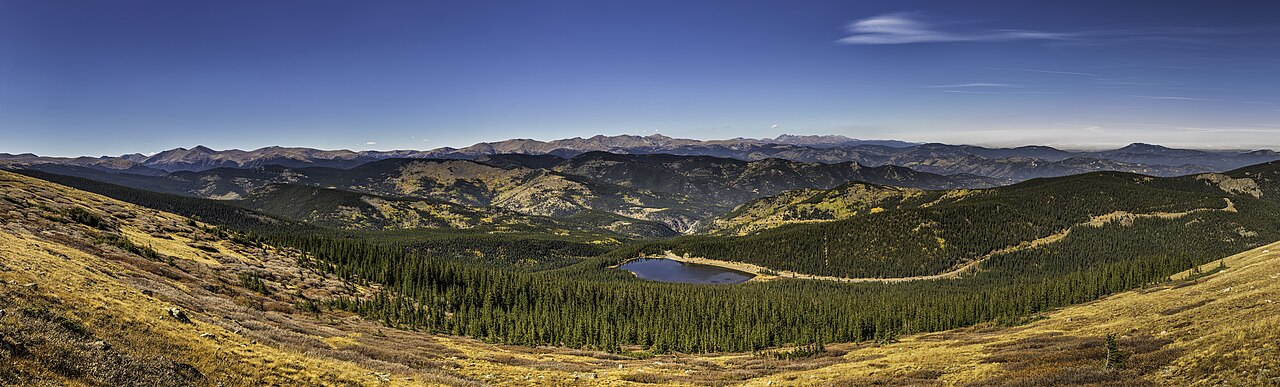
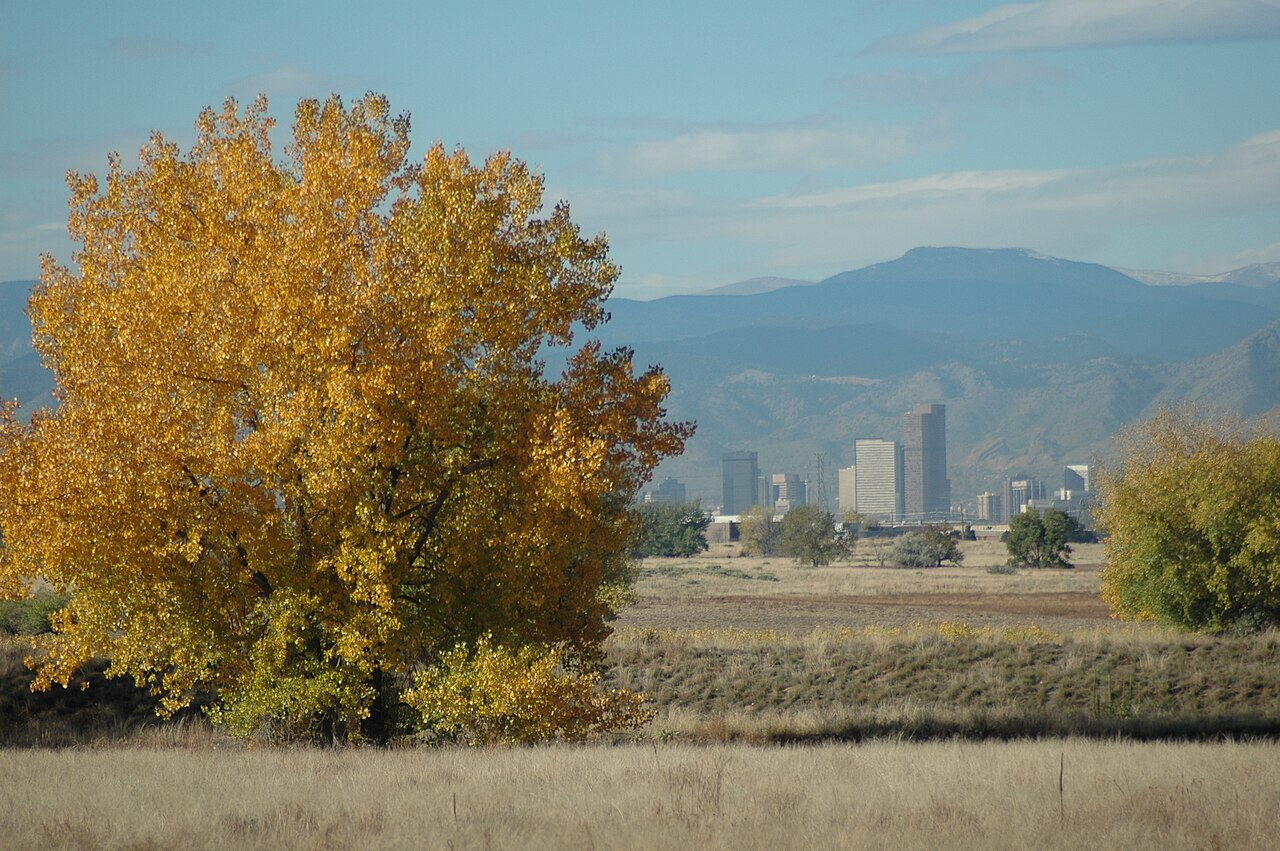
September and October represent a sweet spot for many travelers. The intense heat of mid-summer fades into crisp, cool mornings and comfortable afternoons, usually ranging from the 60s to low 70s. This is the prime window for leaf-peeping, as the aspen trees in the nearby foothills turn a brilliant, shimmering gold. A short drive toward Golden or Estes Park offers some of the most spectacular fall foliage in the American West. The crowds begin to thin out significantly after Labor Day, making it easier to snag restaurant reservations or a quiet spot on a brewery patio.
Keep in mind that Colorado weather is unpredictable in the fall. It is not uncommon to see a light dusting of snow in late September, followed by a 70-degree day. Layers are essential during this transition period. The cultural calendar remains full, with beer festivals and harvest celebrations taking center stage. For those seeking a balance of good weather and fewer crowds, the early autumn months are arguably the best time to visit Denver.
Winter Adventures and City Lights
Winter in Denver, from December through March, is a tale of two environments. While the city often remains dry and sunny with temperatures hovering in the 40s, the mountains just an hour away are buried in feet of powder. This makes Denver a perfect basecamp for those who want to ski or snowboard during the day but enjoy a world-class dinner and a warm hotel in the city at night. The holiday season brings festive displays to Union Station and the Denver Botanic Gardens, creating a magical atmosphere despite the chill.
If you aren't a skier, winter offers the lowest hotel prices of the year, outside of holiday weeks. You can explore the city’s extensive museum collection or catch a professional basketball or hockey game without the summer hustle. Just be aware of the 'upslope' snowstorms that can occasionally dump significant accumulation on the city, potentially impacting travel to and from Denver International Airport. Always check the local forecast and road conditions before heading into the high country.
Lock in a stay for this season
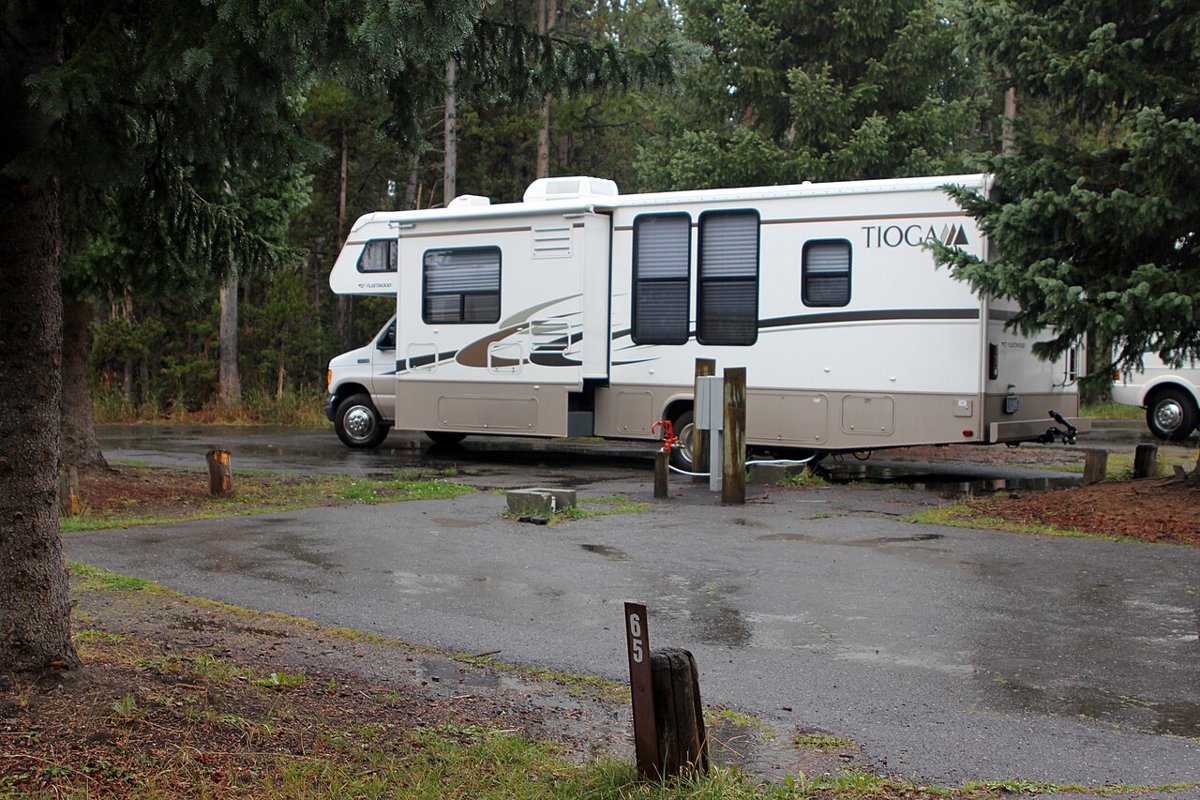
Harvest Hosts stays on the way to Denver
Partner link · Harvest Hosts
Spring Awakening and The Mud Season
Spring in Denver, spanning April and May, is a period of dramatic change. The city begins to bloom with tulips and cherry blossoms, while the higher elevations are still deep in snow. This is often referred to as 'mud season' in the mountains, as the snowpack begins to melt, making many trails slushy or impassable. However, in the city, it is a lovely time for urban hiking and cycling along the Cherry Creek Trail. You will find that the parks are turning green, and the outdoor cafes start to fill up again.
Budget-conscious travelers can find excellent value during the spring. While you might encounter a stray blizzard in March—statistically Denver’s snowiest month—the sun usually returns within 24 hours to melt it all away. It is a great time for visiting the Denver Zoo or the Museum of Nature and Science before the summer school crowds arrive. Just remember that high-altitude hiking remains limited until late June, so keep your itinerary focused on lower-elevation activities and urban exploration.
Navigating Crowds and Reservations
Regardless of when you visit, the growing popularity of the Front Range means that timing is everything. For peak summer and fall weekends, it is highly recommended to book your accommodations at least three to four months in advance. Many of the most popular natural areas, including Rocky Mountain National Park, now utilize timed-entry reservation systems during the busiest months. You should check the official NPS website and local park sites well before your trip to secure your entry slot, as these can sell out weeks ahead of time.
To avoid the largest crowds, try to schedule your outdoor activities for weekdays. Tuesdays and Wednesdays are significantly quieter at places like Red Rocks or the Mount Blue Sky scenic byway. Additionally, starting your day at sunrise not only helps you secure a parking spot at popular trailheads but also ensures you are off the peaks before the common afternoon lightning storms. Planning around these logistical realities will ensure your Denver experience is as seamless and enjoyable as possible.
More ways to book Denver
 Illustrative · USFWS Mountain-Prairie
City Park Stroll
One of the classic ways to experience Denver.
Varies (estimate)
Partner link · Viator