
Glamping near the Delaware Beaches offers a unique way to immerse yourself in the coastal landscape without sacrificing the comforts of a traditional getaway. From safari-style tents tucked away in maritime forests to well-appointed cabins near the salt marshes, the region provides several elevated camping experiences. This approach allows you to wake up to the sound of the Atlantic breeze and spend your evenings under the stars, all while enjoying a comfortable bed and modern amenities.
What Glamping Looks Like Here
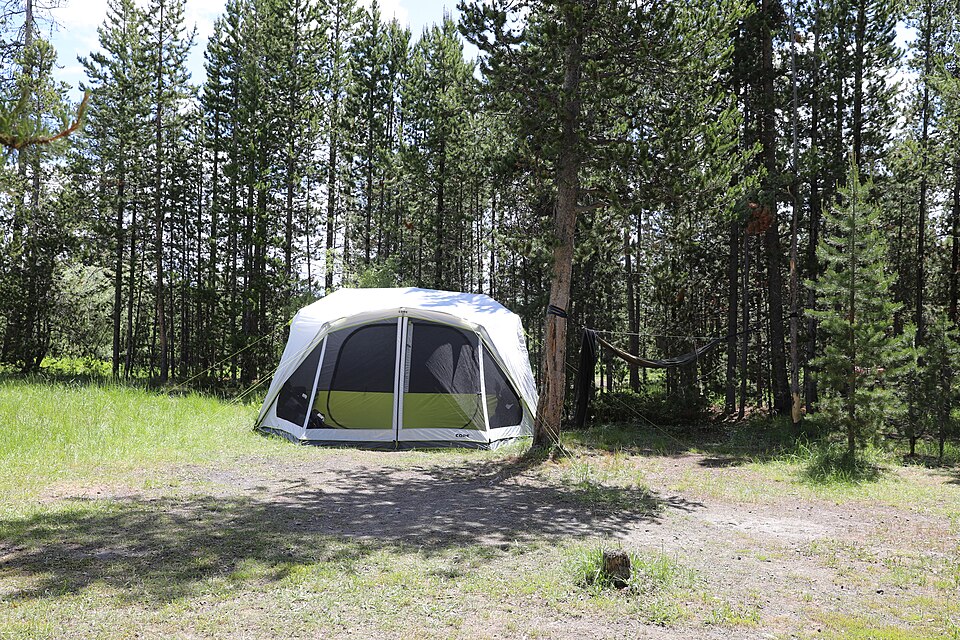
In the Delaware Beach region, glamping typically bridges the gap between the ruggedness of the outdoors and the convenience of a hotel. Most glamping sites are located just a few miles inland from the primary gateway cities of Lewes and Rehoboth Beach, providing a sense of seclusion while remaining close to the shore. You can expect to find large canvas wall tents mounted on wooden platforms, often featuring real mattresses, linens, and sometimes even small heating or cooling units to manage the Mid-Atlantic humidity.
Common amenities at these sites might include private fire pits, outdoor seating areas, and shared luxury bathhouses that are a significant step up from standard campground facilities. The focus here is on the 'experience' of natureâwatching the sunrise over the marsh or hearing the wind through the loblolly pinesâwithout the hassle of pitching a tent or sleeping on the ground. It is an ideal middle ground for couples looking for a romantic retreat or families who want to introduce their children to the outdoors with a safety net of comfort.
Top Glamping Locations and Gateway Areas
While you won't find glamping directly on the sand of the public beaches, the surrounding areas of Lewes and Millsboro offer excellent settings for these stays. Many sites are situated near the edges of the state parks or along the various creeks and tributaries that feed into the Delaware Bay. Staying in the Lewes area puts you in close proximity to Cape Henlopen State Park, where you can spend your days on the trails and your nights in a quiet, forested glamping site.
Further south, near Bethany Beach and the Indian River Inlet, you may find elevated cabin experiences that offer a similar 'glamorous camping' vibe. These areas provide a more tranquil environment compared to the bustling boardwalks, allowing for a deeper connection with the coastal environment. By choosing a site in these gateway areas, you maintain easy access to the region's best dining and shopping while ensuring your nights are spent in the peaceful surroundings of Delawareâs natural landscapes.
Seasonality and Reservations
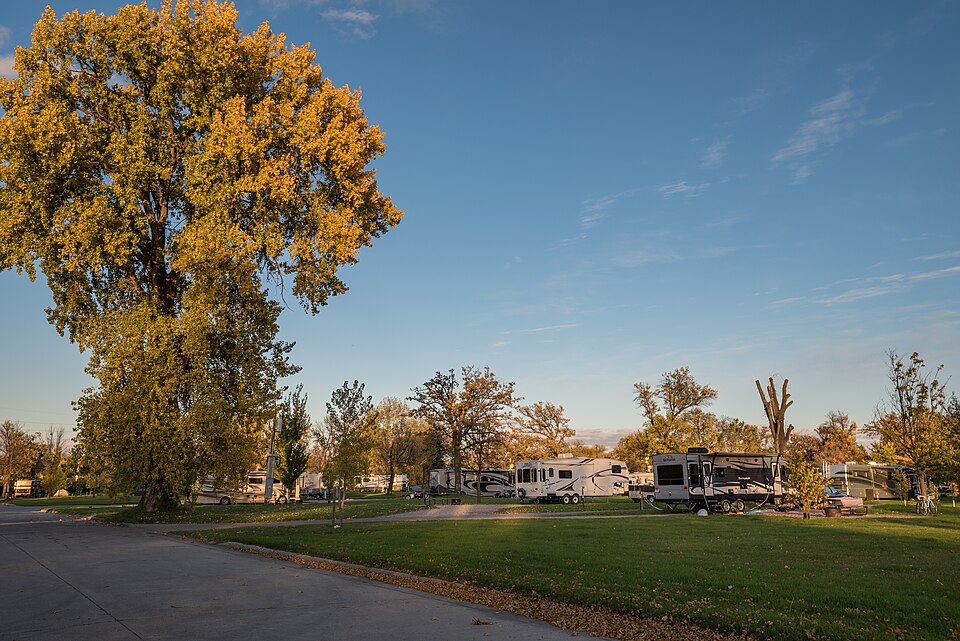
The glamping season in Delaware generally runs from late spring through late autumn, mirroring the best time to visit the region. Most operators open their sites in April or May and close down by the end of October. The peak months of July and August are the most popular, and because glamping sites are often limited in number, they tend to book up very quickly. If you are planning a summer stay, it is wise to look for reservations at least four to six months in advance.
For a more serene experience, consider glamping in the shoulder seasons of May or September. During these months, the daytime temperatures are ideal for hiking and biking, and the cooler nights are perfect for gathering around a campfire. Additionally, you may find that availability is slightly better and the overall atmosphere at the sites is even more quiet and relaxed. Always check with the specific provider regarding their weather policies, as coastal storms can occasionally impact the availability of canvas-walled accommodations.
Glamping vs. Traditional Camping and RVs
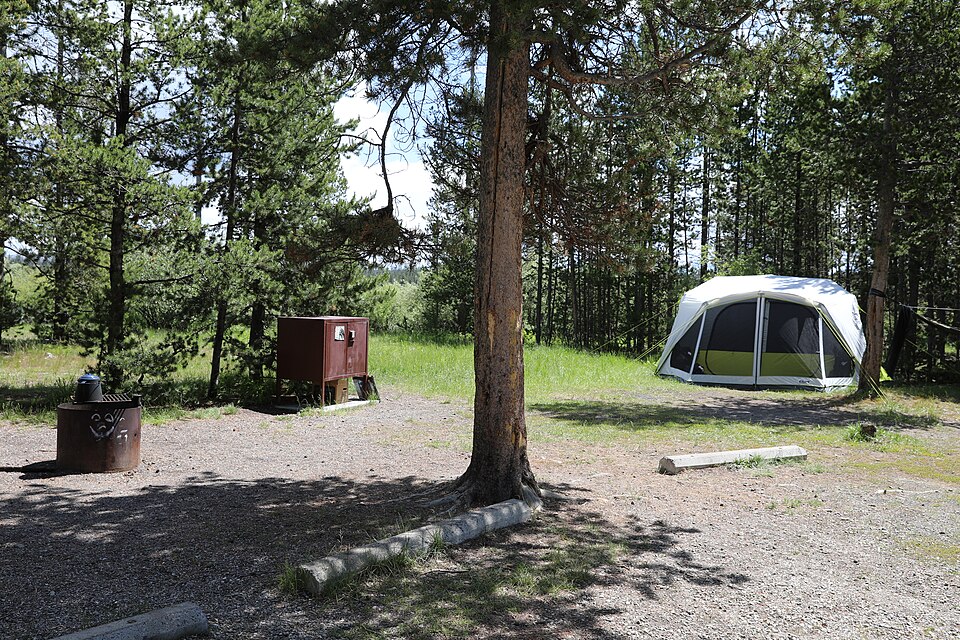
When deciding how to stay in Delaware, it is helpful to compare glamping with other outdoor options. Traditional camping is widely available in state parks like Cape Henlopen and Delaware Seashore, but it requires you to bring all your own gear and can be quite basic. RV camping is another popular choice, offering high levels of mobility and comfort, with many parks providing full hookups. However, glamping stands out because it removes the need for expensive equipment or the stress of driving a large vehicle.
Glamping provides a curated aesthetic that traditional camping lacks, often incorporating local decor and thoughtful touches that make the stay feel special. It is also a more sustainable way to enjoy the coast, as many glamping sites have a smaller physical footprint than permanent hotel structures and focus on low-impact tourism. For those who want the sound of the wind and the feeling of being outside but also want to enjoy a glass of wine in a comfortable chair at the end of the day, glamping is the superior choice.
Preparing for Your Coastal Glamping Trip
Even though you are glamping, you should still prepare for the realities of the Delaware outdoors. The coastal environment can be buggy, especially near the salt marshes, so bringing eco-friendly insect repellent is a must. The weather can also change rapidly; a sunny afternoon can turn into a cool, breezy evening, so packing layers and a waterproof jacket is essential. Most glamping sites provide the basics, but you might want to bring your own beach towels, a favorite headlamp for nighttime walks, and perhaps some local snacks to enjoy by the fire.
Keep in mind that while you are 'camping,' you are still a guest in a sensitive ecosystem. Following 'Leave No Trace' principles is just as important in a glamping site as it is in the backcountry. Always keep food stored properly to avoid attracting local wildlife and be mindful of noise levels to preserve the tranquil atmosphere for other guests. For the most up-to-date information on site availability and park rules, always consult the official Delaware State Parks website or the specific glamping providerâs guidelines.