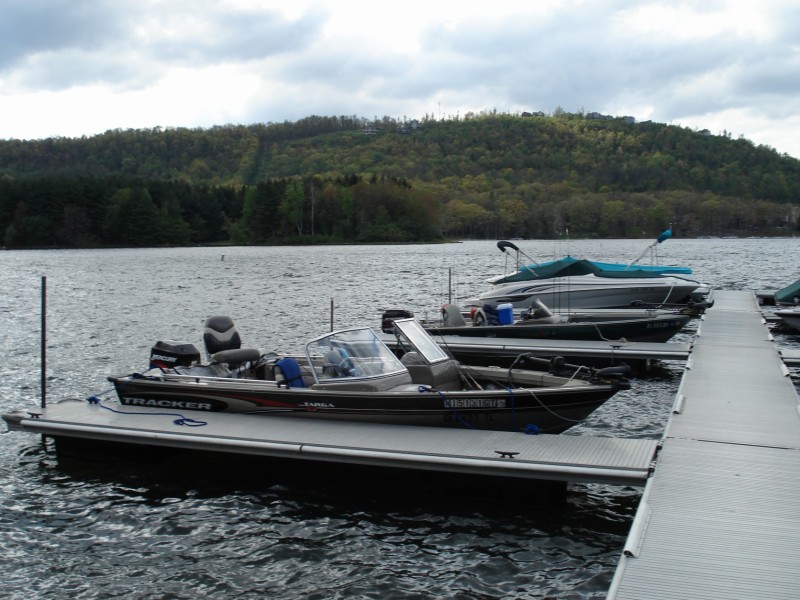
Glamping near Deep Creek Lake offers the perfect middle ground for those who want to immerse themselves in the rugged beauty of the Appalachian Mountains without sacrificing the comforts of home. Instead of pitching a tent on the hard ground, imagine waking up in a plush bed to the sound of wind through the hemlocks and the smell of fresh mountain air. This region, spanning from the bustling McHenry gateway to the quiet woods of Swanton and Oakland, is increasingly becoming a hotspot for elevated outdoor stays.
What to Expect from Glamping in the Mountains
Glamping in the Deep Creek area typically involves staying in semi-permanent structures designed to blend into the forest while providing high-end amenities. You might find luxury yurts with domed skylights for stargazing, safari-style wall tents on raised wooden platforms, or small 'tiny house' cabins tucked away on private acreage. Unlike traditional camping, these accommodations often feature real mattresses, fine linens, and sometimes even climate control to handle the chilly mountain nights.
Many Deep Creek Lake glamping sites also include private fire pits, outdoor kitchens, and occasionally a cedar hot tub to soak in after a long day of hiking. The focus here is on 'slow travel'âgiving you a base camp that feels like a retreat in itself. Because the region is a high-altitude plateau, the evenings are cool and the air is crisp, making the cozy interior of a glamping tent feel even more inviting. It is a way to disconnect from the digital world while still enjoying a hot shower and a comfortable place to rest your head.
Top Areas for Glamping Near the Lake
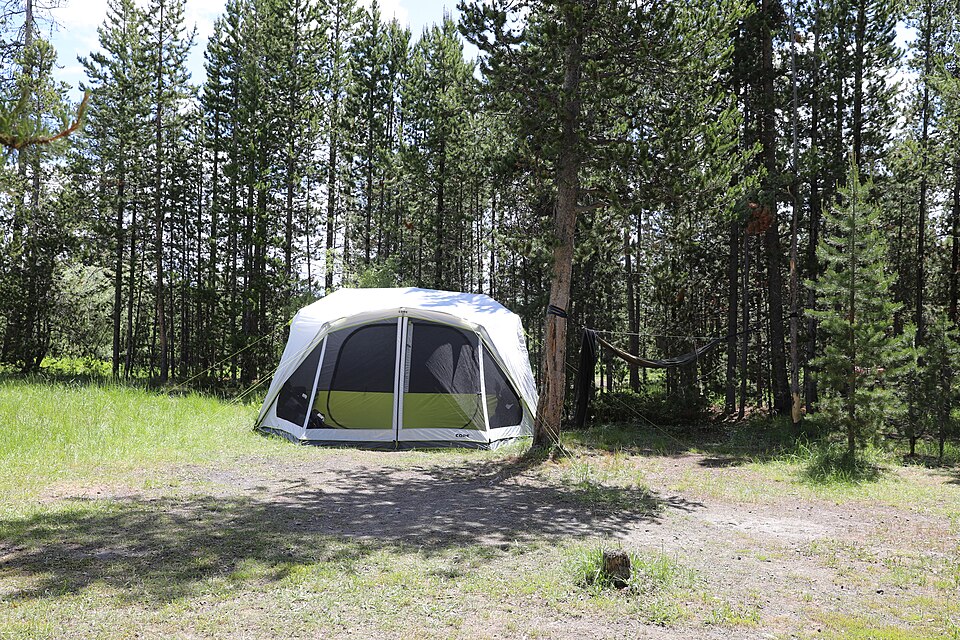
While you won't find glamping sites directly on the public shoreline due to strict environmental zoning, there are several fantastic areas just minutes away. The woods surrounding McHenry offer sites that provide easy access to the Wisp Resort and the main lake marinas. If you prefer a more secluded experience, look toward the gateway cities of Oakland and Swanton. These areas are closer to the wilder parts of the county, such as Garrett State Forest and the Youghiogheny River.
In these quieter corridors, glamping sites are often situated on multi-acre properties where you can enjoy significant privacy from your neighbors. The southern end of the lake, near the Glendale Bridge, is another popular area for these types of stays, offering a mix of rolling farm views and dense forest canopy. Staying in these gateway areas allows you to enjoy the daytime energy of the lake while retreating to a peaceful, natural sanctuary in the evening. Each location offers a different vibe, from the mountainous terrain of the north to the pastoral beauty of the south.
Comparing Glamping, Camping, and RV Stays
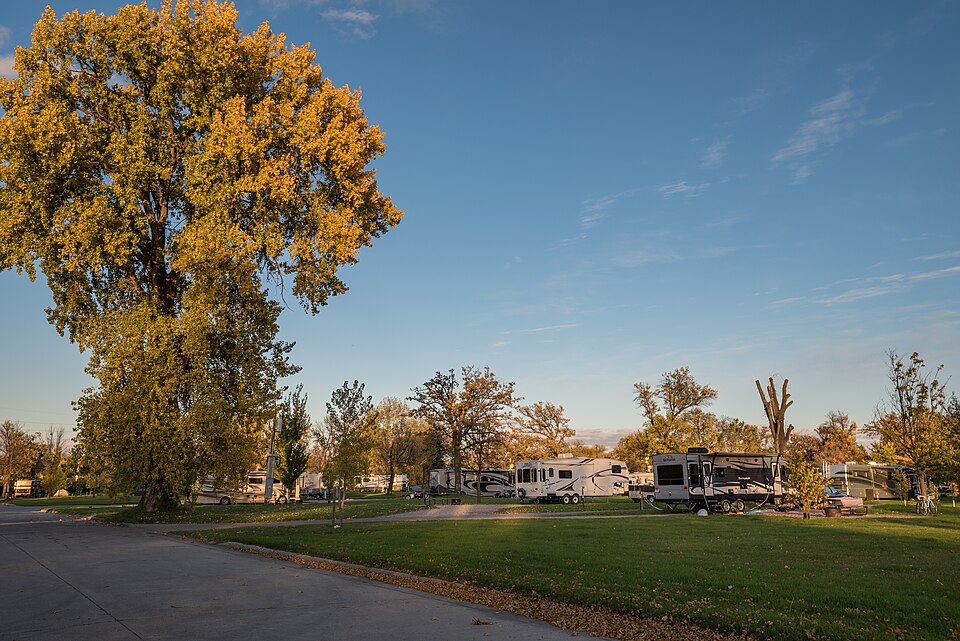
Choosing between Deep Creek Lake glamping and other forms of lodging depends on your desired level of ruggedness. Traditional camping is available at Deep Creek Lake State Park and Swallow Falls, providing a classic experience with tent pads and communal bathhouses. This is the most budget-friendly option but requires hauling all your own gear. RV stays are also popular, with several designated parks offering full hookups, which is great for long-term travelers who want their own mobile home comforts.
Glamping sits at the top of the luxury scale for outdoor enthusiasts. It removes the stress of setup and breakdown, making it ideal for a weekend getaway. While camping might cost a nominal fee for a site, glamping is a more significant investment, with nightly rates often reflecting the boutique nature of the experience. An average daily budget for a glamping trip might hover around one hundred eighty dollars per person, including meals and activities. If you want the atmosphere of a campfire without the hassle of a sleeping bag, glamping is the clear winner for a relaxing mountain escape.
Best Seasons for a Glamping Getaway
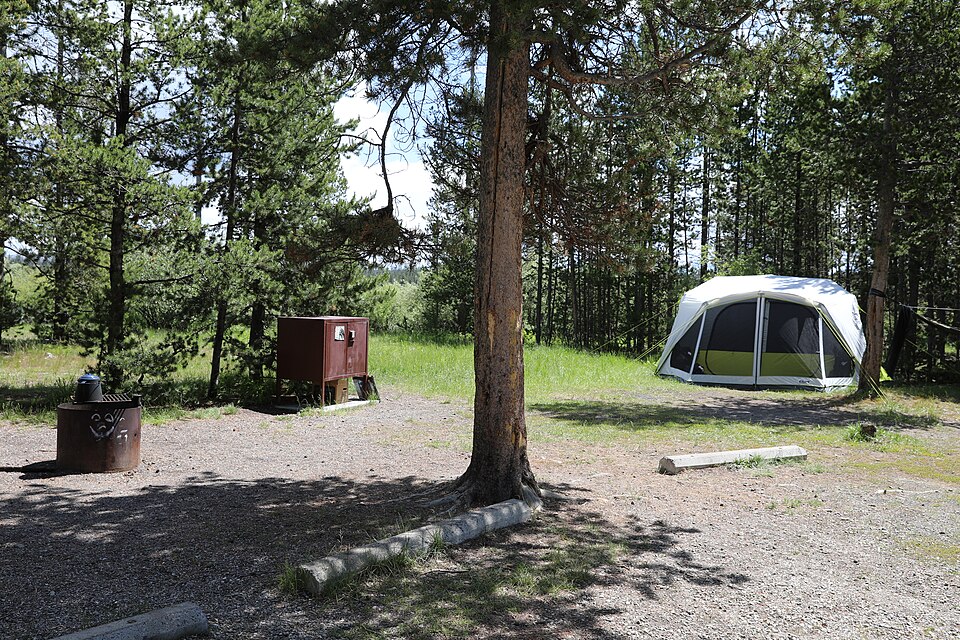
The best time for Deep Creek Lake glamping is generally from late spring through late autumn. Late May and June bring lush greenery and the bloom of mountain laurels, though you should be prepared for the occasional spring shower. Summer is the most popular time, as the cool mountain nights provide a welcome relief from the sweltering heat of the surrounding lowlands. During July and August, the canvas walls of a glamping tent allow for a natural breeze that is far superior to an air-conditioned hotel room.
September and October are arguably the most stunning months for a glamping stay. As the foliage changes, you can watch the colors transform from the comfort of your deck. However, keep in mind that mountain temperatures can drop below freezing as early as October, so ensure your chosen site provides adequate heating or heavy blankets. Most glamping operations close for the winter months (December through March) because the heavy snowfall and extreme cold of the Garrett County winters can be too much for fabric-walled structures. Always check the official booking sites for seasonal opening and closing dates.
Preparing for Your Luxury Outdoor Stay
Even though you are glamping, you are still in the mountains, and preparation is key. We recommend packing in layers; even a warm summer day can turn into a chilly evening. Sturdy boots are a must if your site is located down a wooded path, and a good headlamp is useful for navigating between your tent and the fire pit at night. Since you will be in bear country, it is vital to follow all food storage guidelines provided by your hostânever leave food or trash outside, as black bears are active throughout the region.
Before you book, check the official NPS or Maryland DNR websites for any local alerts regarding forest fire risks or wildlife activity. It is also wise to inquire about the specific amenities at your site, such as whether potable water and cooking utensils are provided. Glamping sites in this area book up very quickly, especially for fall foliage weekends, so try to secure your reservation several months in advance. By combining the thrill of the wild with the ease of luxury lodging, you can experience the very best of what the Maryland mountains have to offer.