
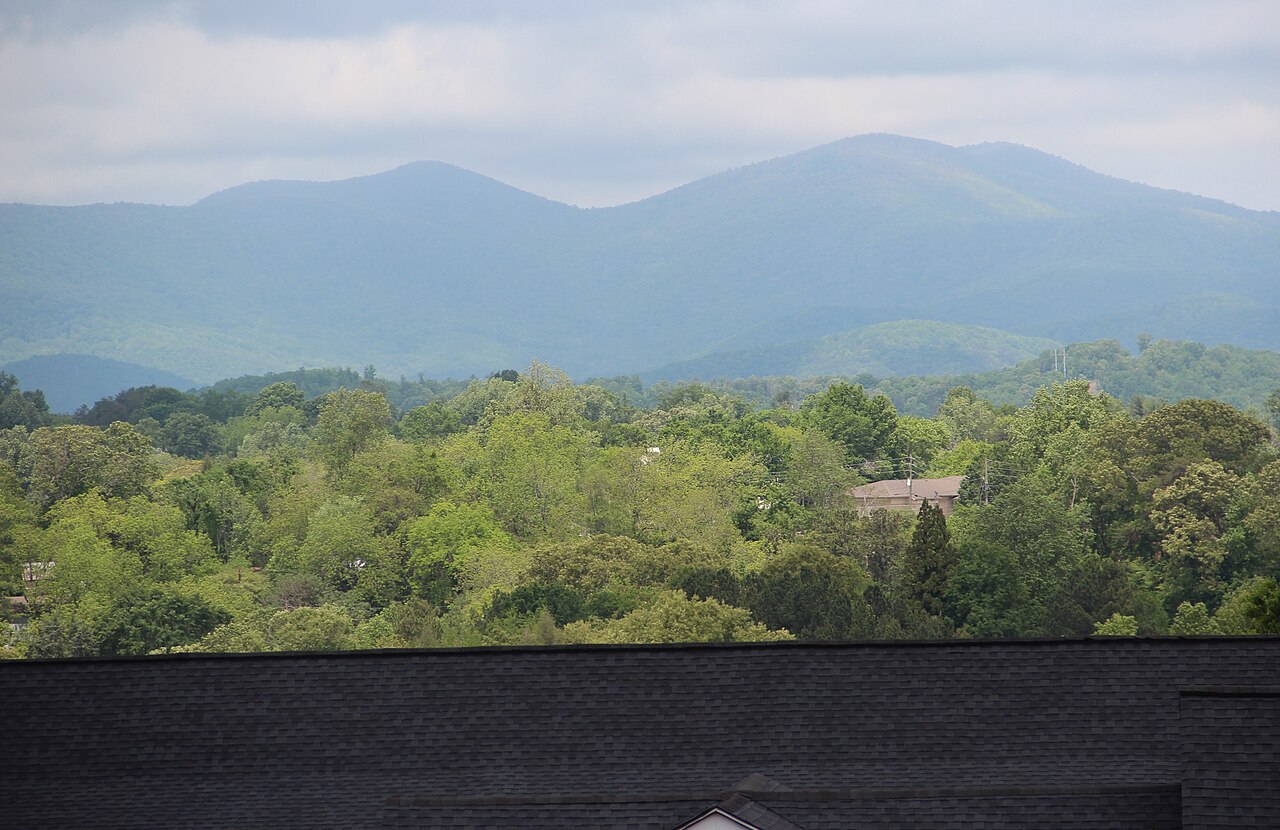
Dahlonega is a destination that transforms beautifully with the turning of the calendar, offering distinct charms in every season. While the historic square is lively year-round, the surrounding Blue Ridge foothills dictate the pace of outdoor adventure. Timing your visit involves balancing the desire for vibrant autumn colors against the quiet, misty mornings of early spring. Whether you are coming for the harvest celebrations or the quietude of a winter hike, understanding the local climate ensures a comfortable mountain getaway.
Autumn: The Peak Season for Foliage
Fall is arguably the best time to visit Dahlonega, as the deciduous forests of the North Georgia Mountains ignite with shades of crimson, gold, and burnt orange. Typically peaking in late October to early November, the autumn foliage draws visitors from across the Southeast. The air becomes crisp and dry, perfect for long afternoons spent exploring the local vineyards or hiking the nearby Appalachian Trail approaches.
Because this is the busiest time of year, you should expect larger crowds, especially during the famous Gold Rush Days festival in October. During this window, the town square is bustling with craft vendors and musicians. If you prefer a quieter experience, consider visiting on a weekday in early November when the colors are still vibrant but the weekend rush has subsided. Always check the official NPS or state forest sites for updated leaf-peeper reports to time your arrival with the peak canopy color.
Spring: Wildflowers and Rushing Waterfalls
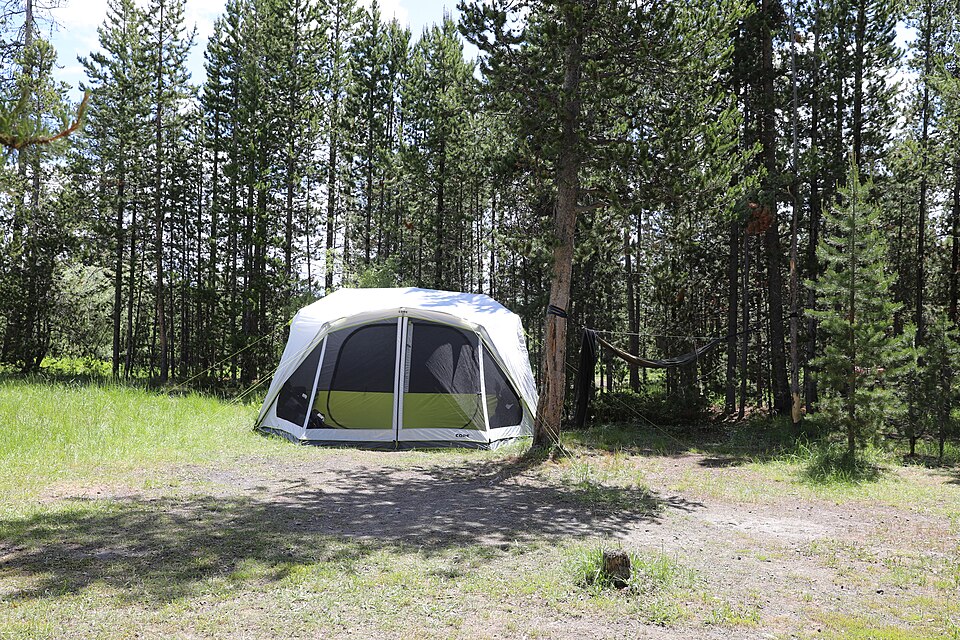
Spring offers a refreshing alternative to the autumn rush, characterized by the blooming of mountain laurels, rhododendrons, and azaleas. From April through June, the landscape turns a vivid, lush green, and the mountain streams are at their highest volume due to seasonal rainfall. This is the ideal time for waterfall chasing at nearby spots like Cane Creek Falls or Desoto Falls, where the water flow is most impressive.
Temperatures are generally mild, with cool mornings that transition into warm, sunny afternoons. This moderate weather is excellent for strenuous outdoor activities like mountain biking or hiking up to Preachers Rock. While spring brings occasional rain showers, they are usually brief and leave the air smelling of fresh pine. It is a fantastic time for those who want to experience the mountains in their most vibrant, growing state before the humidity of the deep South summer sets in across the lower elevations.
Summer: Escaping the Georgia Heat
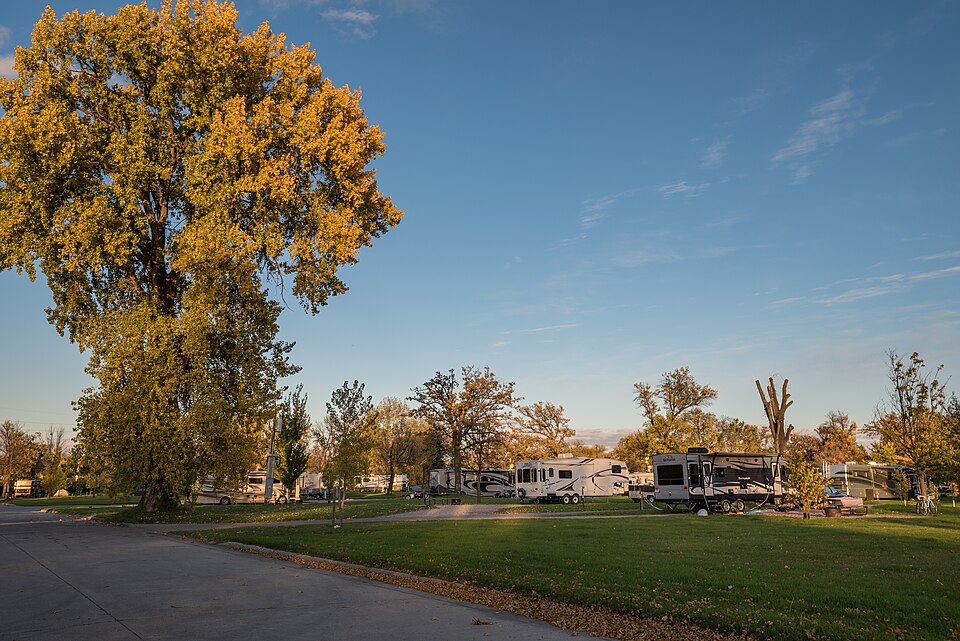
While the rest of Georgia swelters, Dahlonega offers a slight reprieve thanks to its elevation and dense forest cover. Summer is a time for water-based recreation, with many visitors heading to the Chestatee and Etowah Rivers for tubing and kayaking. The tree canopy provides significant shade on the trails, making forest hikes manageable even in July and August.
However, summer also brings higher humidity and the possibility of afternoon thunderstorms. These storms are usually quick but can be intense, so it is wise to plan your outdoor excursions for the morning hours. Evenings in the mountains are often surprisingly pleasant, often requiring a light sweater as the sun dips behind the ridges. This is a popular time for families on summer break, so while it is not as crowded as the fall, the downtown area remains active. Reservations for popular guided river trips or local lodging should be secured well in advance to ensure availability during these peak vacation months.
Lock in a stay for this season
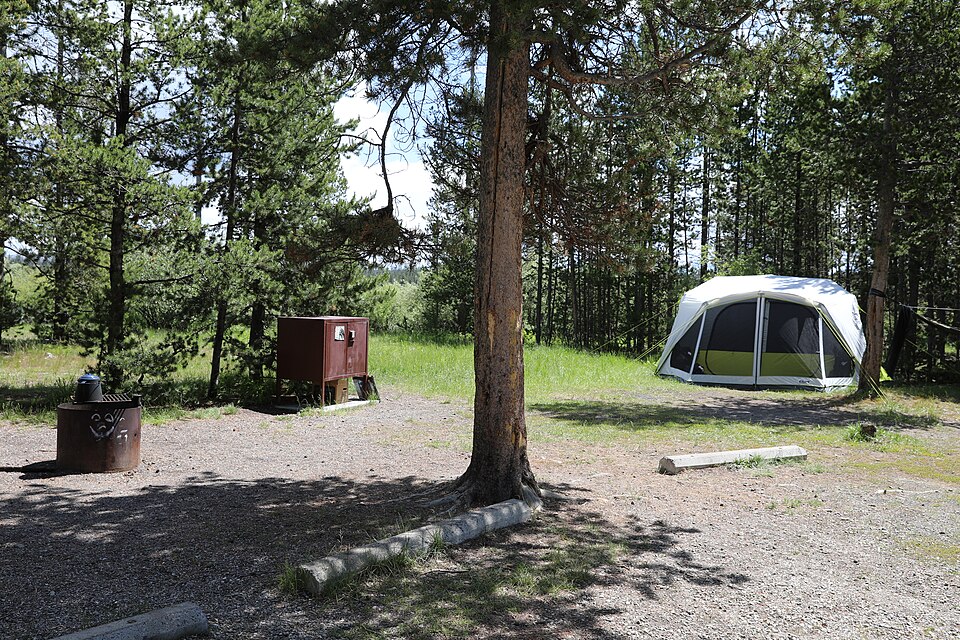
Harvest Hosts stays on the way to Dahlonega
Partner link · Harvest Hosts
Winter: Quiet Retreats and Holiday Magic
Winter in Dahlonega is relatively mild compared to northern climates, but it offers a peaceful atmosphere that contrasts sharply with the busy festival seasons. The town is famous for its Old Fashioned Christmas celebration, where the historic square is draped in thousands of lights, creating a scene reminiscent of a classic holiday movie. January and February are the quietest months, ideal for those seeking a romantic retreat by a fireplace or a solitary winter hike.
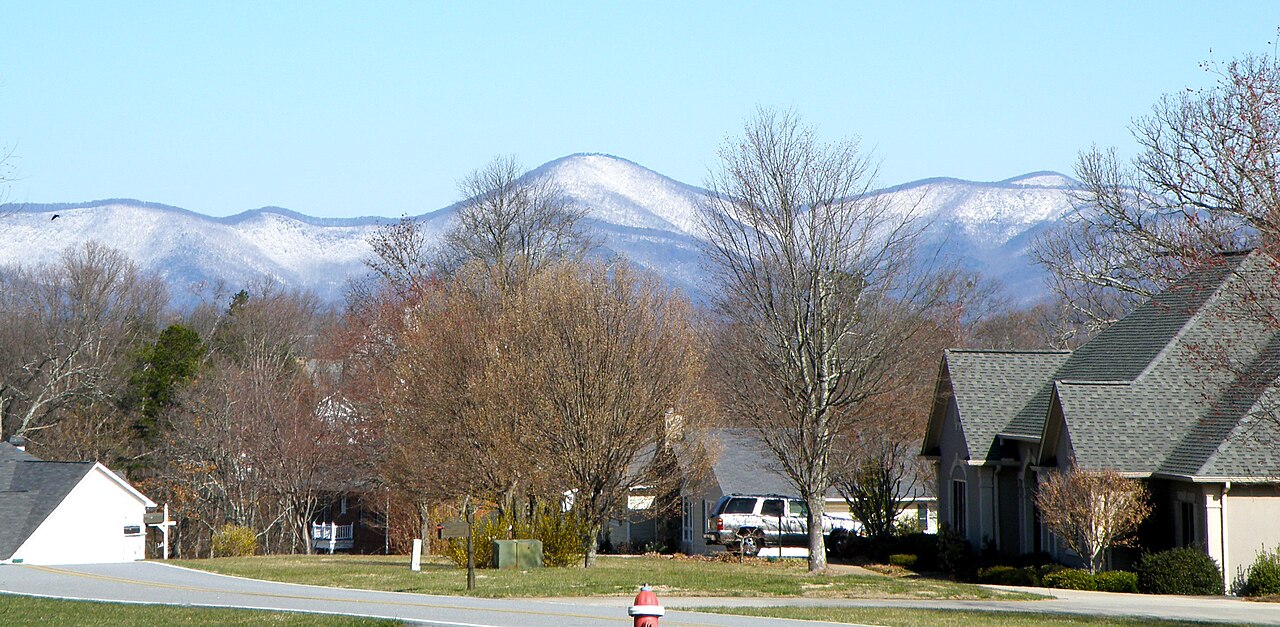
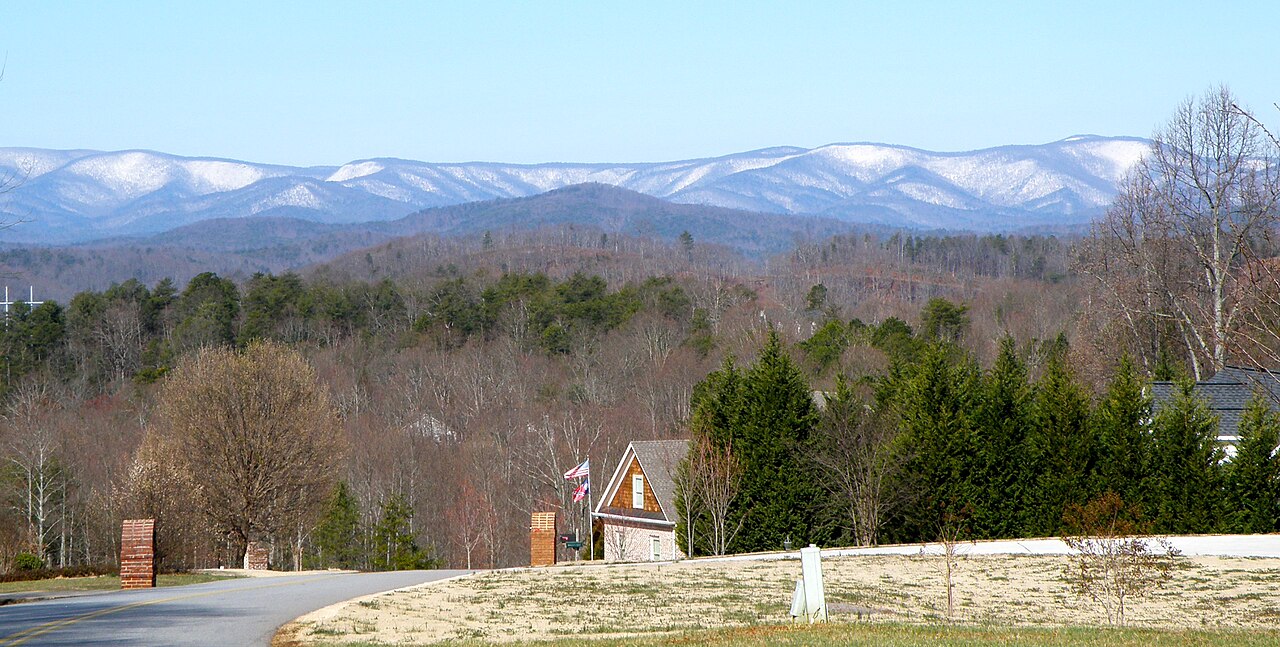
Snow is infrequent but not unheard of; even a light dusting transforms the Blue Ridge foothills into a stunning white landscape. The lack of leaves on the trees during this season provides "window views" through the forest, allowing hikers to see vistas and rock formations that are hidden during the summer. While some outdoor outfitters may have limited winter hours, the local museums and shops remain open. It is a budget-friendly time to visit, as lodging rates often dip, and you can enjoy the town's famous dining scene without the long wait times.
Crowds, Logistics, and Reservation Timing
Navigating the crowds in Dahlonega requires a bit of strategic planning, particularly if you are visiting during the peak autumn window or the December holiday season. During these times, parking near the historic square can become difficult, and popular local restaurants often have significant wait times for dinner service. To make the most of your trip, aim to arrive at trailheads or attractions early in the morning.
For lodging, it is recommended to book at least three to six months in advance if you plan to visit during October or late December. For a more relaxed experience with lower costs and fewer people, mid-week stays in the spring or late winter are excellent choices. Regardless of when you visit, always check the official park service websites for current trail conditions, as seasonal weather can lead to temporary closures of forest service roads or specific recreation areas. Planning ahead ensures that you spend more time enjoying the mountain air and less time managing logistics.
More ways to book Dahlonega
 Illustrative · Pete Seabolt
North Georgia Wine Trail
One of the classic ways to experience Dahlonega.
Varies (estimate)
Partner link · Viator